
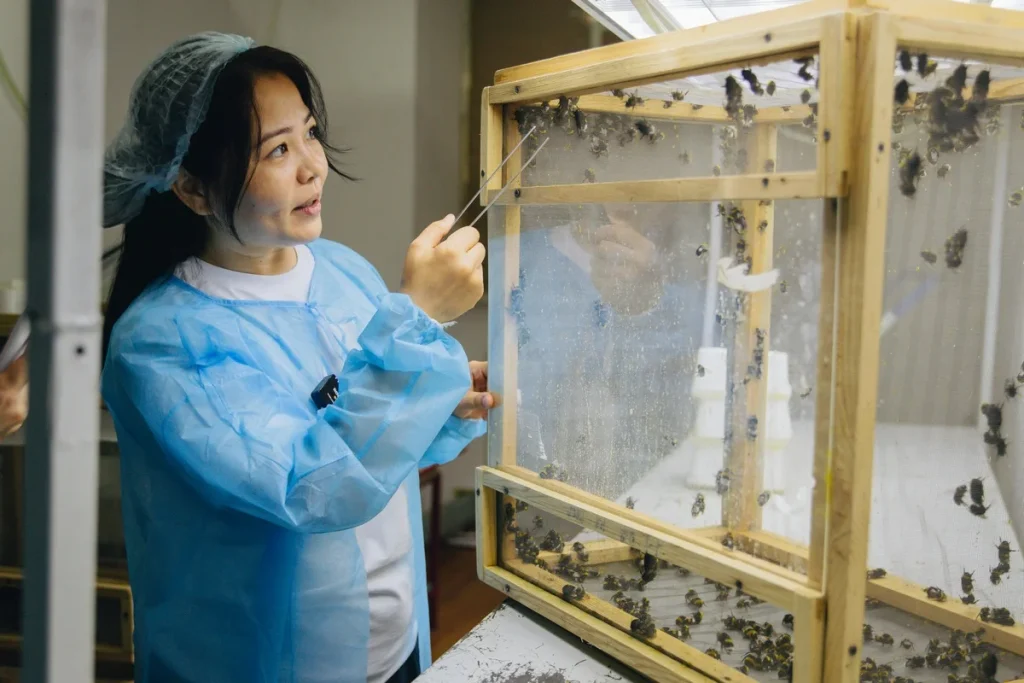
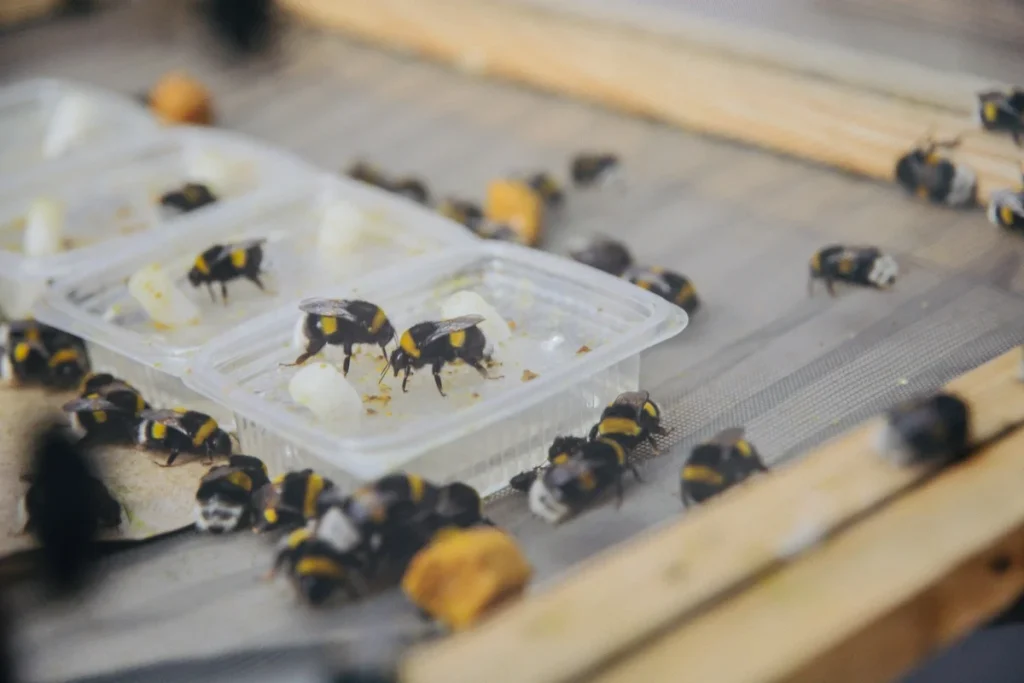
In the southern metropolis of Shymkent, an unconventional biotechnology enterprise has quietly taken root: a sterile industrial biofactory breeding bumblebees for greenhouse pollination, predatory bugs and parasitic mites for biological pest control, and Angoumois grain moths whose eggs serve as nutrient-dense feed for beneficial insects.
The operating company, World Agro Trade, reports that its annual revenue surpassed 1.5 billion KZT in 2025, with 80% to 85% of total bio-output exported to Russian greenhouse operators. Today, the enterprise is breaking ground on its next major industrial milestone: a 3-billion-tenge biopesticide and biofertilizer manufacturing plant.
While biological pest control may seem exotic in Central Asia, it has been an established multibillion-dollar standard in the Netherlands, Spain, and North America for decades. Now, that same high-tech biological paradigm is being localized in southern Kazakhstan.
Two Companies, One Integrated Agritech Value Chain
Entrepreneur Muhammadali Artukkhodzhayev founded and oversees two tightly integrated agricultural ventures in Shymkent:
- World Agro Trade: Specializes in breeding bumblebee colonies, cultivating entomophages (predatory bugs and mites), and manufacturing specialized sticky insect monitoring traps and greenhouse accessories;
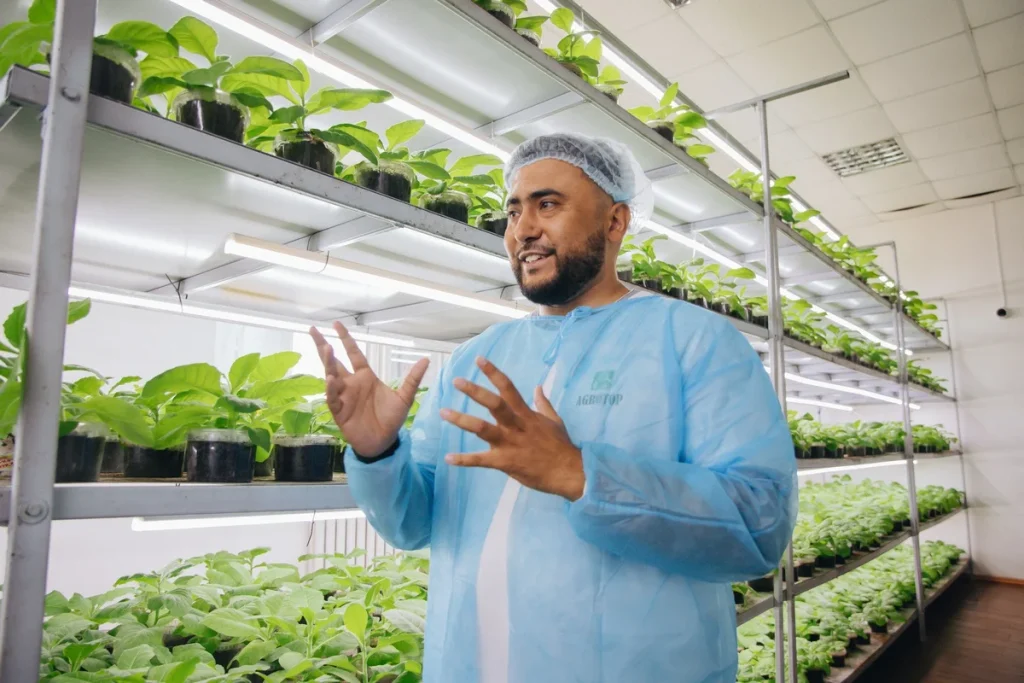
- Nurly Dala: Operates 7 hectares of state-of-the-art industrial greenhouses in Shymkent, serving as both a commercial vegetable producer and a live industrial testbed for World Agro Trade’s biological solutions.
The business was born out of direct operational frustration. Years ago, the greenhouse operation imported live bumblebees and beneficial insects from Israel, Belgium, and Turkey. The fragile insects frequently arrived dead or weakened after grueling multiday transit delays and customs clearance, destroying crop cycles.
Artukkhodzhayev recognized that relying on overseas logistics was economically unsustainable. He decided to reverse-engineer and localize the entire breeding cycle directly in Shymkent.
Why Greenhouse Growers Prefer Bugs over Chemicals
Modern industrial agriculture is trapped in an escalating chemical arms race. When farmers spray chemical insecticides against whiteflies, spider mites, or tomato leafminers (Tuta absoluta), surviving pests develop genetic resistance within a few seasons, requiring increasingly toxic chemical dosages.
Chemical spraying also carries catastrophic downsides: it poisons bumblebee pollinators, contaminates fruit with chemical residues, delays harvest cycles, and damages plant growth vigor.
Biocontrol solves this fundamentally. Instead of spraying toxic chemicals, growers introduce nature’s own predators. Pests cannot evolve resistance to being eaten alive. The result is higher crop yields, unpolluted vegetables meeting organic export standards, and zero chemical stress on plants.
What the Shymkent Biofactory Produces
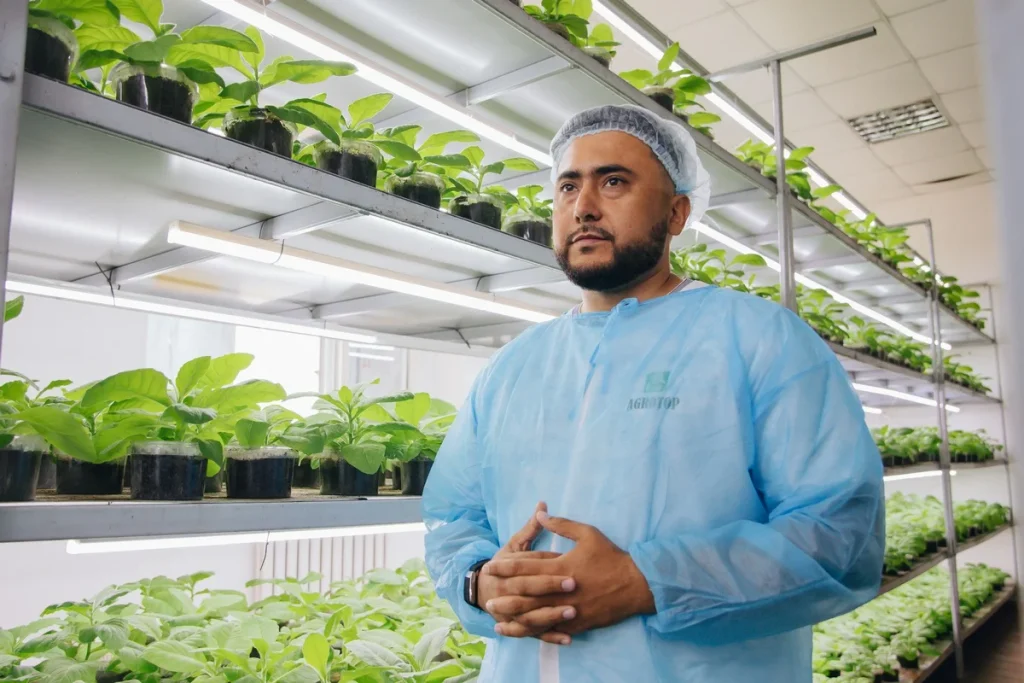
The World Agro Trade complex houses cleanroom laboratories with strictly controlled temperature, humidity, and photoperiod regimes. Key biological products include:
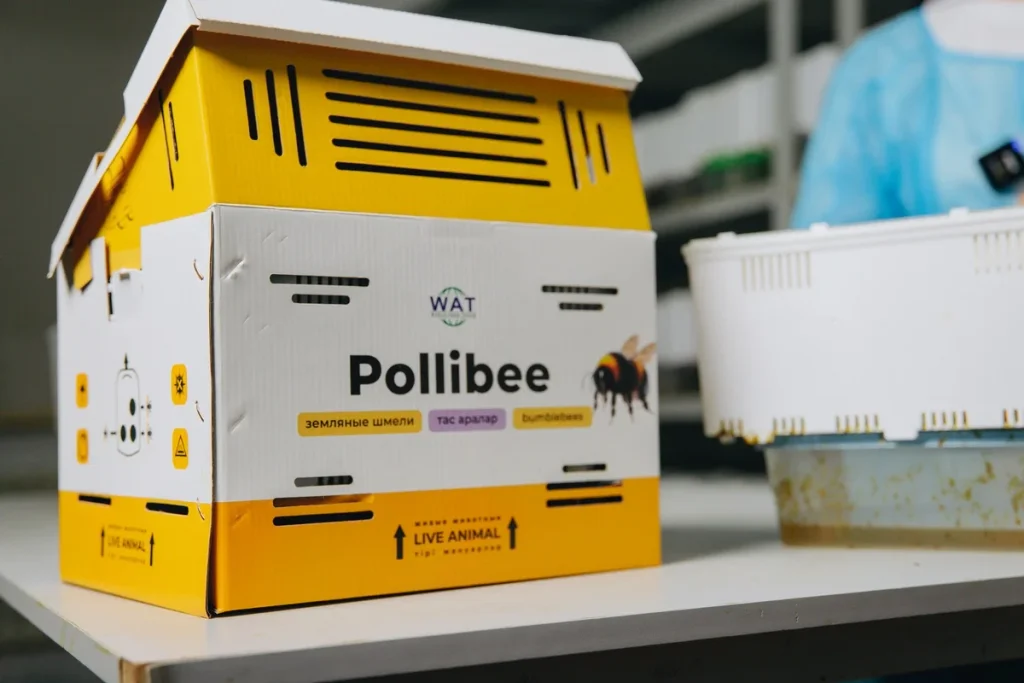
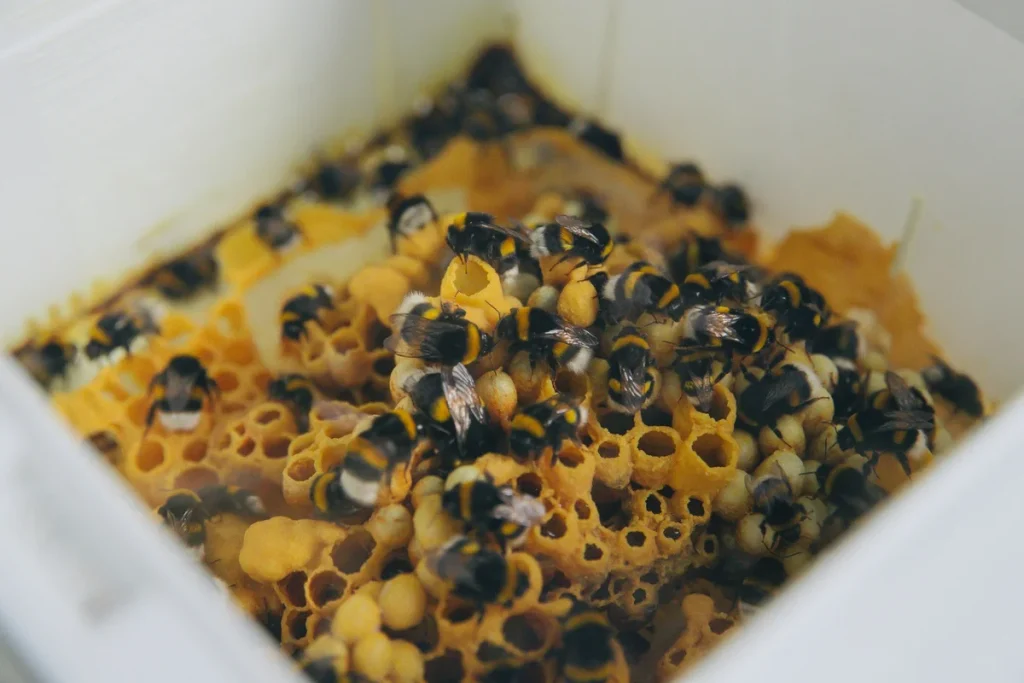
- Bumblebee Colonies (Bombus terrestris): Unlike honeybees, bumblebees are exceptionally hardworking in enclosed greenhouses, performing ‘buzz pollination’ that dramatically increases tomato and berry fruit sets. World Agro Trade produces approximately 1,000 to 1,500 colonies per month;
- Predatory Bugs (Nesidiocoris tenuis & Macrolophus pygmaeus): Voracious hunters of whiteflies, thrips, spider mites, and moth eggs;
- Beneficial Predatory Mites (Phytoseiulus persimilis & Amblyseius): Microscopic predators that relentlessly clear greenhouse canopies of spider mites;
- Grain Moth Cultivation (Sitotroga cerealella): Sterile moth eggs harvested as ultra-pure feed to nourish young predatory bugs during laboratory rearing.

Economics and 1.5 Billion KZT Turnover
In 2025, World Agro Trade generated 1.5 billion KZT in gross revenues. Over the past five years, the founders reinvested 1.5 billion KZT of their own capital into specialized laboratory equipment, alongside an additional 300 million KZT into an automated manufacturing line for adhesive pest monitoring rolls.
Specialized climate simulation hardware was imported from Europe, China, and India. While the live breeding processes are fully localized, the enterprise still imports certain technical polymers from Europe — an operational dependency it plans to eliminate.
Building a 3-Billion-Tenge Biopesticide Plant
In late 2026, World Agro Trade plans to commission an 8,000-square-meter biopesticide and microbial fertilizer manufacturing plant in Shymkent, capitalized at 3 billion KZT (50% founder equity and 50% financed through Damu Fund programs).
The facility features direct railway spur access for bulk liquid handling and will produce amino acid biostimulants, fulvic acid extracts, and microbial preparations. Looking ahead to 2027, the company plans to launch a breeding and testing station to evaluate climate-resilient vegetable seeds for Central Asian conditions.
From a Single Greenhouse Problem to a Regional Industry
The evolution of World Agro Trade illustrates how resolving a single operational bottleneck can catalyze a sophisticated industrial subsector. By transforming import dependency into domestic biological manufacturing, Shymkent is emerging as a regional biotechnology pioneer for sustainable agriculture across Central Asia and the CIS.