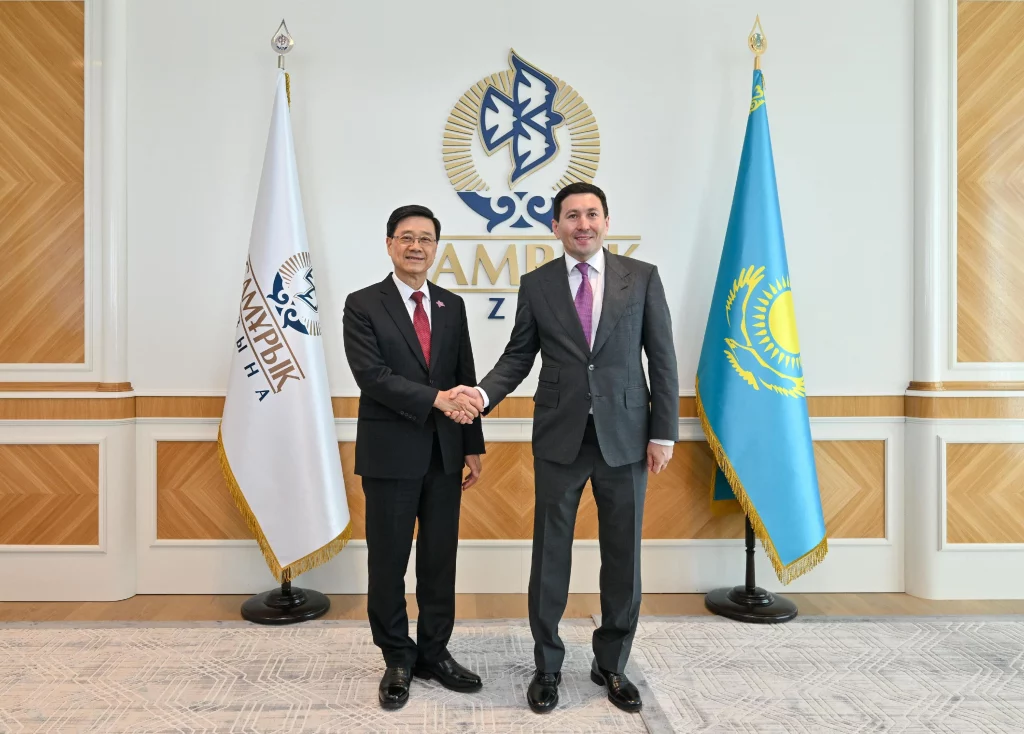
Kazakhstan is pursuing an ambitious economic model connecting its mineral resources and transport transit infrastructure with mainland China’s manufacturing capacity and Hong Kong’s sophisticated financial markets. Arman Shakkaliyev highlighted this trilateral architecture during high-level bilateral talks with Hong Kong Chief Executive John Lee. The underlying economic logic is channeling global capital into joint manufacturing capable of supplying Central Asia and international export markets.
The negotiations centered on facilitating direct investor networks, trade structuring, and project pipelines. While individual project balance sheets and factory rollout schedules remain under development, the strategic blueprint clearly defines the complementary roles of each partner.
The Economic Problem Kazakhstan Aims to Solve
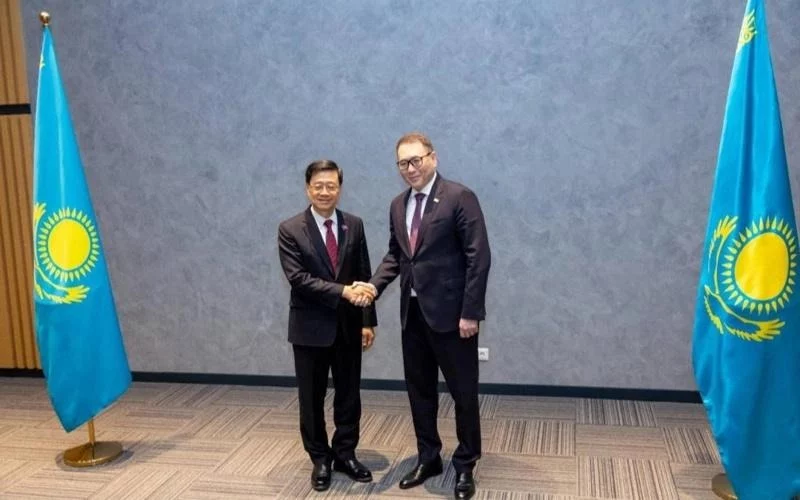
In official discussions, Shakkaliyev directly linked cross-Eurasian transport corridors with industrial localization. Growing railway and multimodal transit cannot remain a pure transit conduit; it must foster domestic value-add manufacturing. Kazakhstan seeks to escape the low-margin raw material export trap by co-producing finished machinery, consumer goods, and processed materials along its rail logistics arteries.
What Hong Kong Brings to the Table
While mainland China provides world-class equipment, engineering, and factory scale, Hong Kong delivers vital financial mechanisms:
- Institutional Capital Mobilization: Access to sovereign wealth pools, private equity syndicates, and trade finance institutions operating under common law frameworks;
- Gold Trading and Asset Settlement: Gold reserves and precious metals emerged as a dedicated negotiation pillar, leveraging Hong Kong’s role as Asia’s primary physical gold liquidity hub;
- AIFC Cross-Listing and Securitization: Establishing direct financial corridors between the Astana International Financial Centre (AIFC) and Hong Kong exchanges for green bonds and cross-border industrial project financing.
Where Kazakhstan Retains Maximum Value
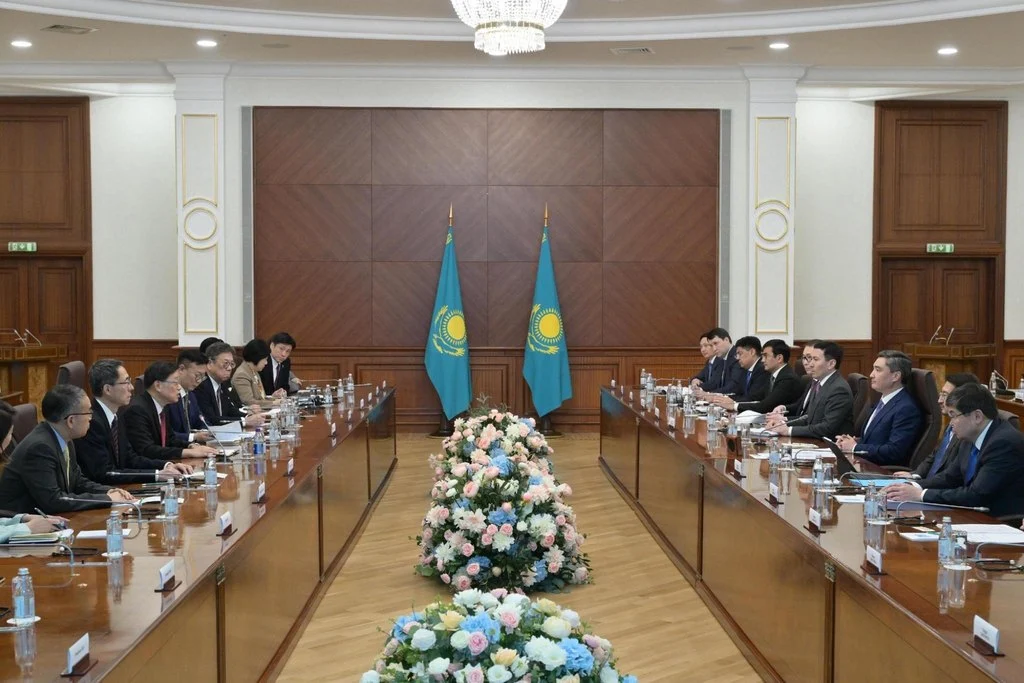
The trilateral model works only if value creation occurs within Kazakhstani borders: localizing assembly, training technical engineers, processing agricultural and metallurgical goods, and capturing tariff-free market access across Central Asia and the Eurasian region.