
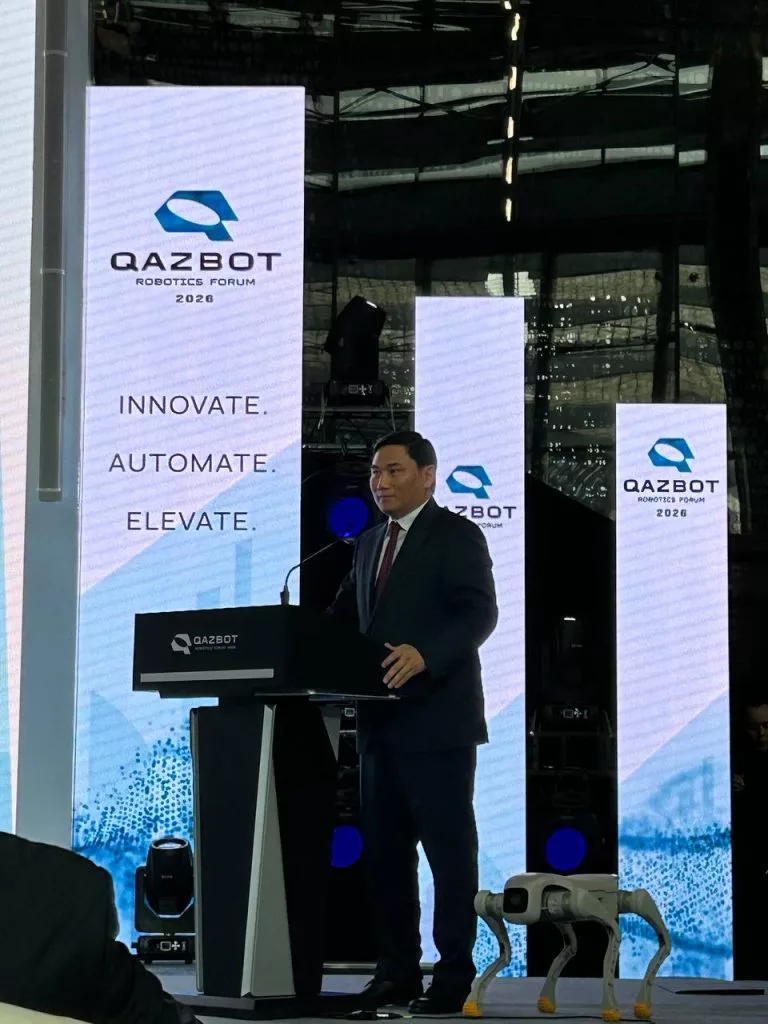
At the QAZBOT Robotics Forum 2026 in Astana, organizers presented detailed operational telemetry for deployable robotic platforms developed alongside Chinese unicorn AgiBot. Beyond high-concept dance demonstrations, forum technical sessions detailed concrete workplace displacement scenarios with verified productivity and throughput metrics. RAEM.KZ examined the primary job categories facing immediate robotic automation.
1. Commercial Cleaning: Janitors and Facility Maintenance
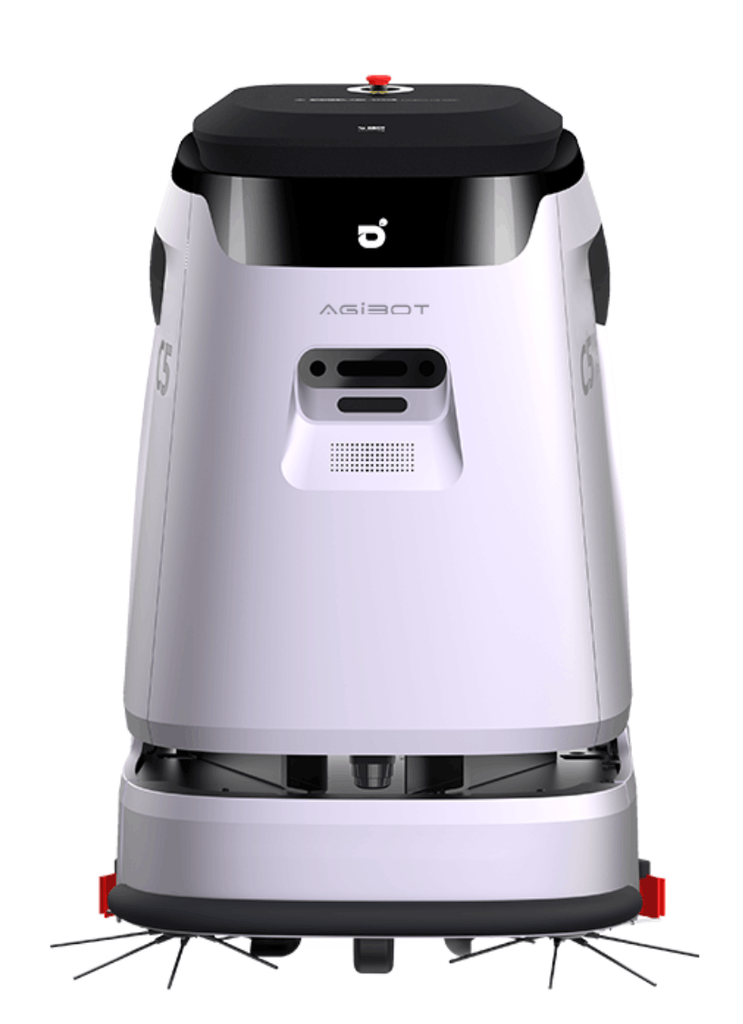
The specialized AgiBot C5 commercial cleaning robot is engineered for continuous maintenance across airport terminals, shopping malls, and enterprise business centers:
- Operational Speed: 1,980 m² cleaned per hour;
- Trash Collection Efficiency: 95% collection rate under automated LiDAR obstacle navigation;
- Target Facilities: Commercial real estate, convention centers, logistics depots.
Commercial cleaning represents the lowest operational barrier to entry: indoor floor surfaces are predictable, tasks are repetitive, and operations can run autonomously during off-hours with zero human staffing overhead.
2. Reception and Hospitality: Hotel Front Desk and Concierge
The AgiBot G1 humanoid service platform is tailored for customer reception in hotels, administrative offices, and corporate headquarters. Equipped with multi-microphone beamforming arrays, multilingual LLMs, and facial recognition, the unit automates visitor badge dispensing, hotel keycard issuance, and concierge guidance.

3. Warehouse Logistics: Pickers and Material Handlers
For fulfillment centers and e-commerce distribution hubs, bipedal platforms like the Yuanzheng A1 and A2 execute pallet unloading, box sorting, and tote transfer. Capable of handling payload weights up to 15 kg per arm and operating continuously on swappable battery packs, robotic pickers eliminate repetitive strain injuries while maintaining steady 24/7 throughput.

Conclusion: Augmentation Precedes Replacement
While robotics marketing showcases fully autonomous factories, practical deployment across Central Asia will initially proceed via workforce augmentation: robots assume hazardous, nocturnal, and physically grueling tasks, while human supervisors manage fleet telemetry, battery maintenance, and exception handling.



