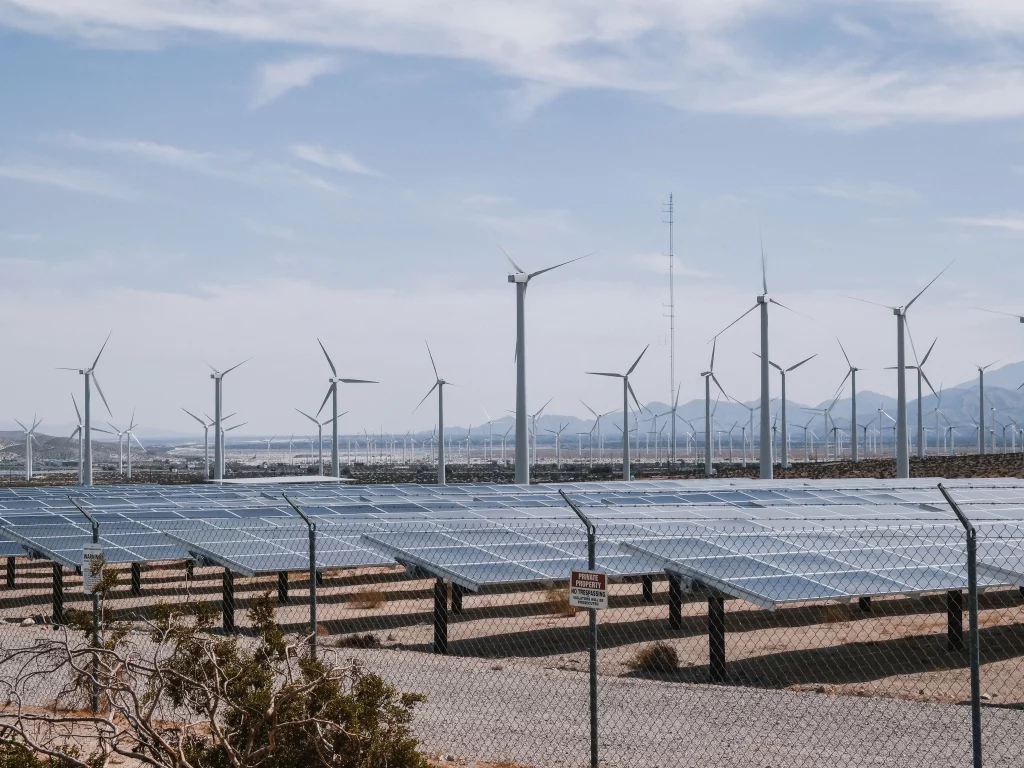
Work on a pilot green hydrogen project involving a Norwegian company has not commenced in Atyrau region. Investors proposed constructing a 40 MW wind power plant to produce up to 2,000 tons of green hydrogen annually.
What Was Planned for Construction
The project was valued at €85 million. It was designed around a 40 MW wind farm, with generated electricity directed toward water electrolysis to produce green hydrogen — clean fuel and chemical feedstock derived from renewable sources.
Target production capacity was cited at up to 2,000 tons of hydrogen per year. Construction timelines and commissioning dates were never made public. The identity of the Norwegian investor, financing terms, site location, and anticipated off-takers also remained undisclosed.
What Happened to the Project
The Atyrau Regional Akimat confirmed that no development work had taken place. This confirms that the proposed initiative never progressed to the construction phase.
Regional authorities did not disclose the reason for the halt. It cannot be conclusively stated whether the project was stopped due to capital constraints, land allocation, water quality, grid connectivity, or lack of off-take commitments. While common across hydrogen ventures globally, none of these specific causes have been confirmed for this project.
The project’s formal status also requires clarification. The statement that “no work was carried out” confirms inaction to date, but leaves open whether the project has been permanently scrapped or if the investor may revisit plans at a later stage.
Why Green Hydrogen Faces Launch Hurdles
A green hydrogen facility does not begin with an electrolyzer. It requires stable renewable generation, suitable water sources, grid interconnects, site approvals, and long-term off-take agreements. Securing project finance without guaranteed off-take contracts is exceptionally challenging, as green hydrogen remains significantly more expensive than hydrogen produced from natural gas.
In Atyrau region, potential demand is tied to oil refining, petrochemical complexes, and export corridors. However, proximity to industrial consumers does not guarantee commercial off-take. Facilities require binding commitments regarding volume, price, purity, and delivery schedules.
An output of 2,000 tons per year categorizes the venture as a pilot or demonstration initiative. Such an installation could validate technology and unit economics locally, but would not serve as a large-scale export manufacturing asset.
Distinction from Other Regional Projects
Atyrau already hosts a separate research pilot by KazMunayGas Engineering. Its first phase launched in 2025 based on a laboratory complex powered by a 200 kW solar array. That is an entirely separate venture with different stakeholders and a substantially smaller scale.
Larger green hydrogen and ammonia projects are planned in Mangystau and East Kazakhstan regions. Their existence does not alter the stalled status of Atyrau’s €85M initiative. Every project independently requires land, capital, permits, grid connection, and firm off-take commitments.
Key Questions for Authorities and Investors
To understand the project’s outlook, four questions require clarity: whether the investment agreement remains active, if land was allotted, whether the feasibility study was finalized, and whether any prospective hydrogen buyer exists.
In the absence of these specifics, the announcement should be viewed as an unfulfilled investment intention. The €85 million valuation and 40 MW capacity reflect proposal parameters rather than invested capital or commissioned infrastructure.