

Medical technology (MedTech and HealthTech) is traditionally one of venture capital’s most conservative and heavily regulated sectors. Unlike consumer apps or conventional SaaS, mistakes can cost lives. Moving from an idea to deployment requires years of clinical trials, strict certification and medical data confidentiality. Yet Kazakhstani MedTech startups are making technological breakthroughs that open doors at leading institutions, from Stanford-affiliated StartX to global giant Medtronic.
RAEM researched the domestic medical innovation market and compiled a verified ranking of seven leading MedTech startups in Kazakhstan. These projects develop software that supports intensive care, helps prevent industrial accidents, cuts diagnostic time from hours to minutes and brings Kazakhstani engineering to the global stage.
🩺 Why Kazakhstani MedTech attracts Silicon Valley:
- The StartX phenomenon: three Kazakhstani medical AI startups—Cerebra AI, Defect AI / Rette and Aidentis—passed demanding international selection for Stanford-affiliated StartX in the US.
- High-quality clinical datasets: centralised healthcare digitalisation and initiatives such as MedHub HAQ at Astana Hub allow startups to train models on verified, anonymised data from hundreds of thousands of patients.
- Rapid scaling after pilots: solutions are deployed across dozens of public stroke centres and major industrial companies, including ERG, KTZ and Kazakhmys.
Overview: seven MedTech startups in Kazakhstan
| Founders | Clinical field | Key technology | Status / Investment | |
|---|---|---|---|---|
| Cerebra AI | Doszhan Zhussupov | Neuroradiology (stroke) | CT segmentation, computer vision | $4.5M+ • Stanford StartX, Medtronic Top 10 |
| Aidentis | Asylzat Issatay, Zhanibek Bokayev | Dentistry and orthodontics | 3D CBCT, panoramic X-ray analysis and cephalometry | $200K ($3M valuation) • Stanford StartX 2025 |
| Defect AI (Rette) | Sanzhar Myrzagalym, Kuanysh Idrissov | Clinical EMR/EHR audits | Medical LLMs, treatment protocol analysis | Stanford StartX 2026 • US market, Mayo Clinic |
| Med365 | Chingiz Kulakhmetov, Abay Suttygozhanov | Occupational medicine (ASMO) | Pupillometry, blood pressure measurement, Face ID | Altyn Sapa award • 500+ terminals |
| flection.ai | Alexander Pak | Neurorehabilitation and physiotherapy | Computer vision pose estimation | Astana Hub resident • Clinical pilots |
| ZebraEye | Yana Ten | Ophthalmology (retina) | AI analysis of fundus images and OCT | Draper University, EY Innovator |
| Hemo.Labs (Umaia) | Alua Musralina | Preventive medicine / Longevity | ML analysis of blood biomarker panels | Draper University • TechCrunch Disrupt |
1. Cerebra AI: the race against time in stroke care
Ischaemic stroke is the world’s second most common cause of death and the leading cause of severe disability. Time is critical: up to two million brain neurons die each minute without blood supply. Intensive care teams work within a “golden therapeutic window”—up to 4.5 hours after initial symptoms—when systemic thrombolysis or thrombectomy can restore blood flow without irreversible consequences.
Kazakhstani startup Cerebra AI, founded by Doszhan Zhussupov, developed deep neural network software connected to CT scanner servers through PACS/DICOM. Its algorithm automatically analyses non-contrast brain CT slices, segments ischaemic lesions and calculates the volume of irreversibly damaged tissue (the infarct core) and tissue that may still be saved (the ischaemic penumbra).
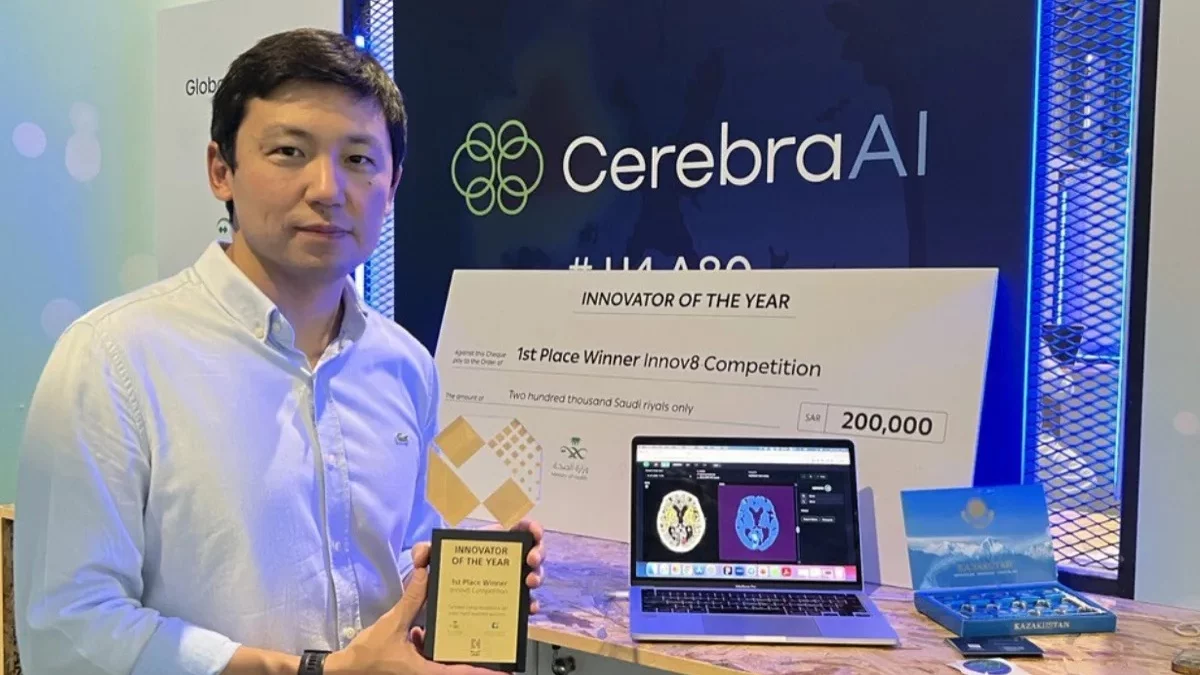
Cerebra AI helps radiologists decide on thrombolysis within three to five minutes
While an on-duty radiologist may spend 30–45 minutes manually annotating slices, Cerebra processes them in three to five minutes and sends a clinical report and lesion heat map to the neurologist’s tablet or smartphone. Medtronic named it among the world’s 10 most promising medical AI projects. It joined StartX and raised more than $4.5 million, including funding from Timur Turlov, Big Sky Capital and MOST Ventures. The system is connected to more than 45 stroke centres in Kazakhstan and has processed data from over 150,000 patients.
MedTech • AI & DeepTech
Cerebra AI
An AI system for early CT-based stroke diagnosis. Valued at over $25 million, with funding from Freedom Holding and Big Sky Capital; a Stanford StartX participant.
2. Aidentis: dental AI and entry into Stanford StartX
Dentistry and maxillofacial surgery are undergoing digital transformation. Cone-beam CT (CBCT) and digital panoramic radiographs provide detailed images but create substantial routine work. Before fitting braces or aligners, orthodontists perform cephalometric analysis, marking anatomical skull landmarks and measuring jaw angles and facial proportions. Manual analysis takes 40 minutes to an hour and carries a risk of subjective error.
Kazakhstani startup Aidentis, founded by Asylzat Issatay (CEO) and Zhanibek Bokayev (CTO), uses computer vision to automate dental diagnostics. Its AI platform performs cephalometric landmark analysis in two to three minutes with over 96% accuracy and analyses 2D and 3D images for hidden interproximal cavities, bone pockets and periapical inflammation.
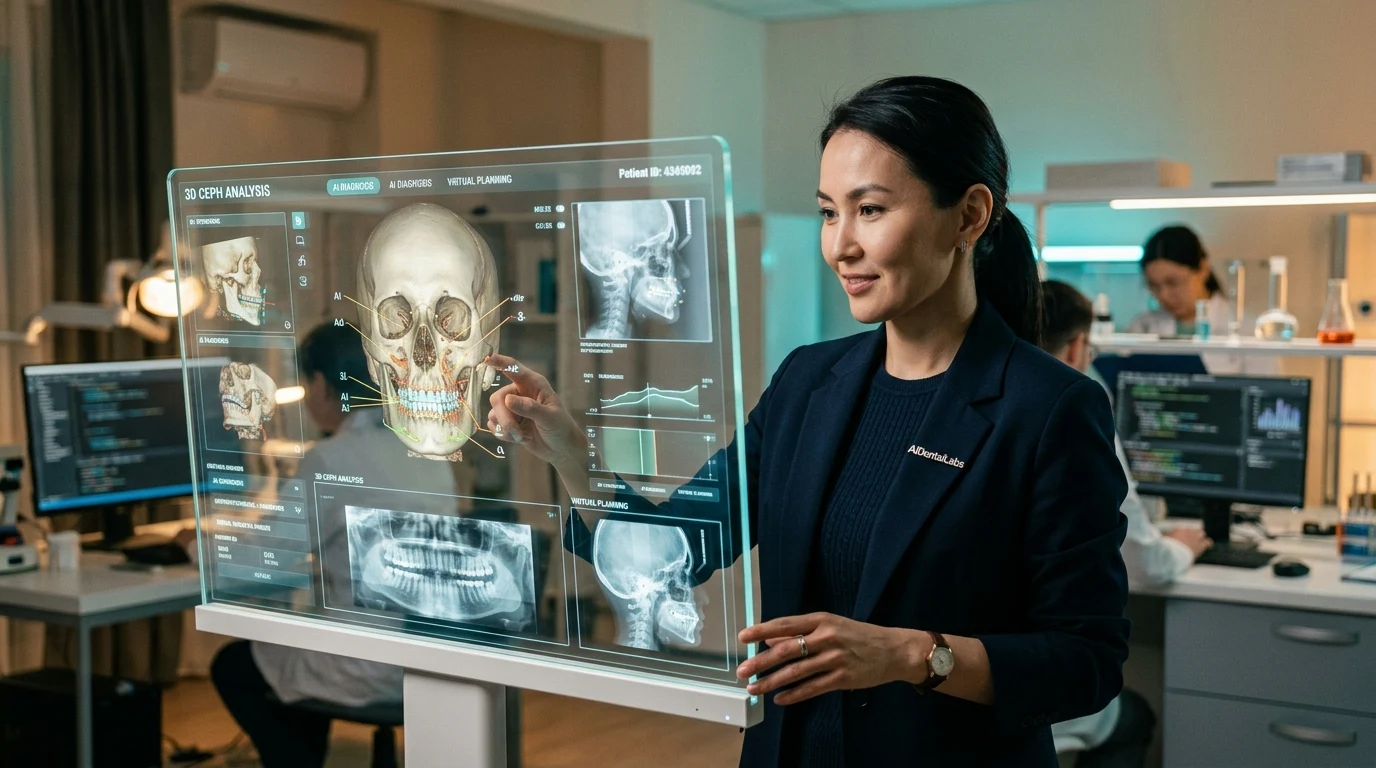
Aidentis founder Asylzat Issatay: the platform reduces routine image calculations from an hour to minutes
In 2025, Aidentis passed the demanding selection process for Stanford-affiliated StartX in the United States, following in-depth medical interviews with Stanford physicians and bioengineering professors. It raised $200,000 from Kazakhstani angel investors and MOST Ventures at a $3 million valuation. It signed partnerships with the Kazakhstan Dental Association and Dental Association of Students (DAS), plus a cooperation memorandum with Kazakhstan’s Ministry of Healthcare to introduce its technology into clinical practice and education.
MedTech • Stanford StartX
Aidentis
An AI platform automating dental 2D/3D X-ray analysis and cephalometry. A Stanford StartX participant with a $3 million valuation.
3. Defect AI (Rette): LLM-based clinical record auditing in the US
In the United States and other developed healthcare systems, medical errors, missed comorbidities and deviations from clinical guidelines cost insurers and hospitals hundreds of billions of dollars annually. US physicians spend up to half their working time completing electronic medical records (EMR/EHR), allowing key symptoms and drug interactions to be lost in large volumes of unstructured text.
Kazakhstani engineers Sanzhar Myrzagalym and Kuanysh Idrissov, who began with industrial defect detection using computer vision under Defect AI, developed the medical product Rette. Its LLM platform audits clinical notes, comparing medical histories, laboratory results, prescribed medicines and treatment protocols in real time and warning clinicians about missed diagnoses or medication conflicts.
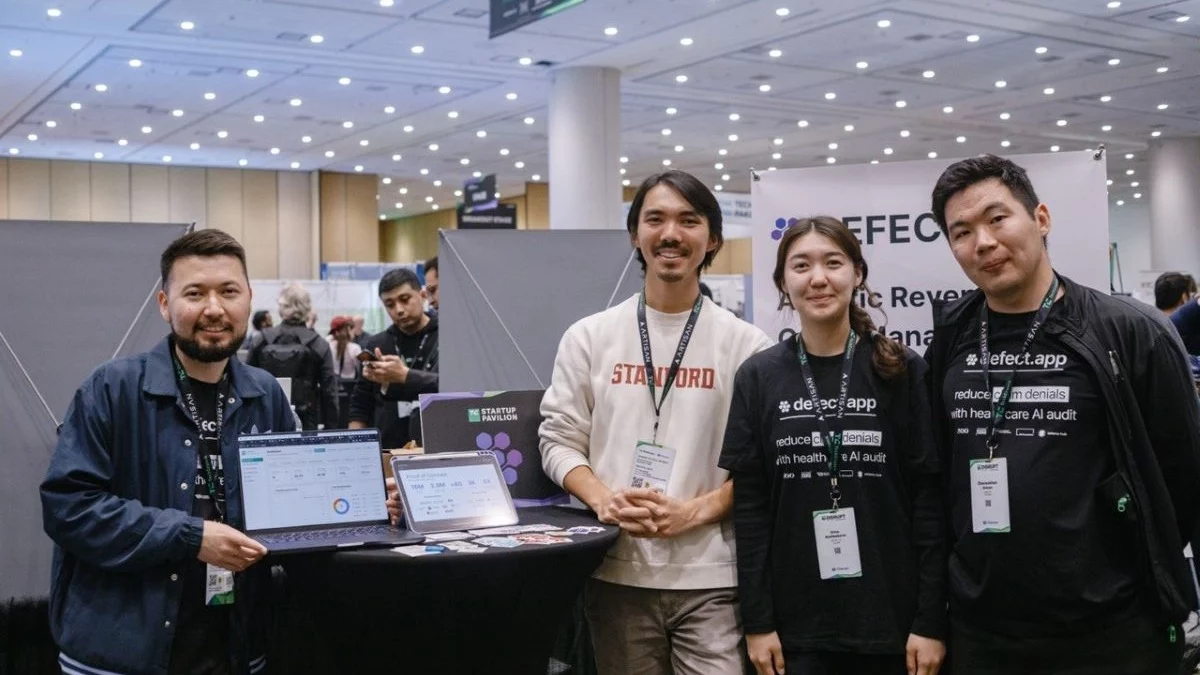
The Defect AI / Rette team at TechCrunch Disrupt in San Francisco
Rette joined the 2026 cohort of Stanford StartX, presented at TechCrunch Disrupt in San Francisco and shifted its focus to US hospitals. Its algorithm is being validated on datasets from leading medical centres, including research databases of Mayo Clinic calibre, making clinical audits five times faster and helping protect institutions against lawsuits and insurance denials.
MedTech • AI & DeepTech
Defect AI (Rette)
An AI system for auditing electronic medical records and preventing clinical errors. A Stanford StartX 2026 participant expanding into US clinics.
4. Med365: industrial safety and health screening in 60 seconds
Hundreds of thousands of workers, haul-truck drivers and train operators begin shifts each day across Kazakhstan’s mining, metallurgy, transport and energy industries. Traditional pre-shift examinations can become a formality: queues of 50 people may lead healthcare staff to check blood pressure hastily or approve workers without examination. The consequences include hypertensive crises behind the wheel of a BelAZ truck, sudden cardiac arrests and serious industrial accidents.
Kazakhstani company Med365, founded by Chingiz Kulakhmetov and Abay Suttygozhanov, developed intelligent ASMO automated medical examination systems. A Med365 terminal performs a comprehensive health screen in 60 seconds:
- Face ID biometric identification: prevents another person from substituting for the employee;
- Contactless temperature measurement: immediately detects elevated temperature and inflammatory indicators;
- Medical blood pressure monitor: assesses blood pressure and heart rate variability;
- Electrochemical breathalyser: detects even small traces of alcohol in exhaled breath;
- Infrared pupillometry: analyses pupil contraction and dilation following a light pulse to identify possible drug or toxic intoxication or extreme physical fatigue.
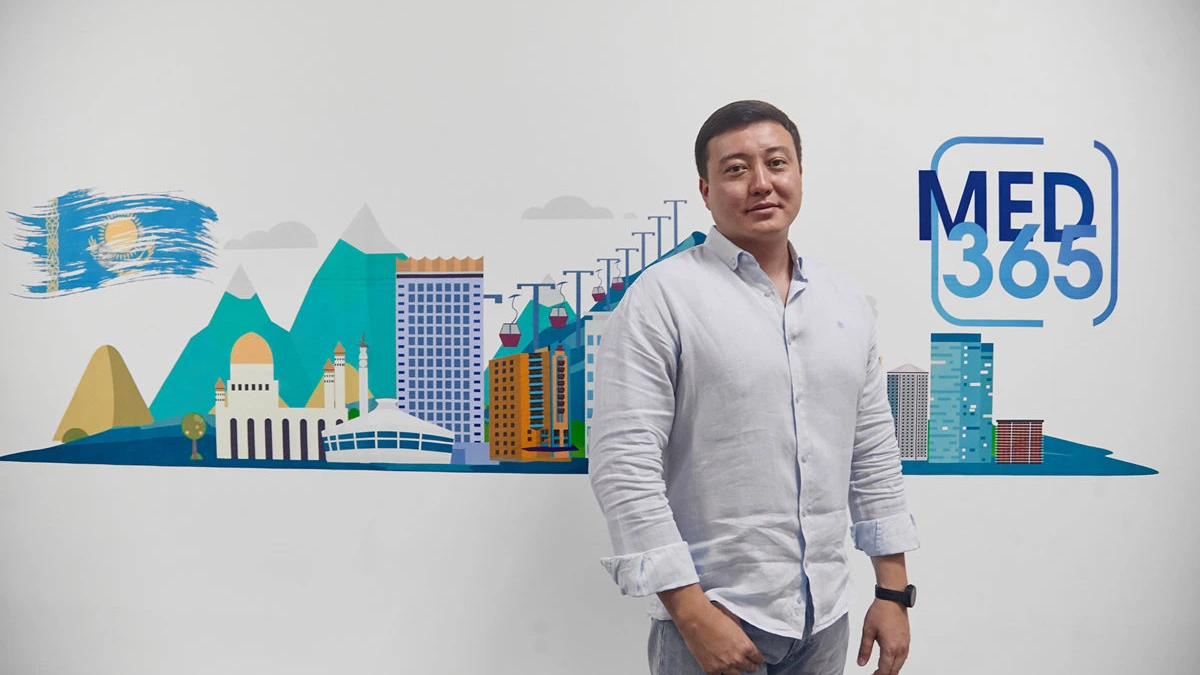
Med365 founder Chingiz Kulakhmetov: ASMO systems have prevented hundreds of industrial incidents
All data are encrypted, signed digitally by the on-duty physician at a telemedicine centre and sent to the employer’s occupational safety service. Med365 received Kazakhstan’s presidential Altyn Sapa quality award. More than 500 ASMO systems protect staff at ERG, KAZ Minerals, Kazakhmys, KazTransOil, Kazakhstan Temir Zholy and Samruk-Energy. The company is exporting its technology to Uzbekistan and Central Asia.
MedTech • B2B & SaaS
Med365
A Kazakhstani leader in automated pre-shift medical examination systems for major industrial companies. An Altyn Sapa award recipient valued at over $15 million.
5. flection.ai: smartphone computer vision for neurorehabilitation
Motor rehabilitation is essential after stroke, severe traumatic brain injury or musculoskeletal surgery. Patients face two barriers: shortages of qualified physiotherapy instructors outside major cities and the high cost of robotic systems or exoskeletons, often tens of thousands of dollars. Without clinical supervision, incorrect home exercises can reinforce compensatory postures and muscle spasticity.
flection.ai, founded by Alexander Pak, addresses this problem with computer vision pose estimation. The software requires no wearable sensors or specialist equipment: patients place an ordinary smartphone, tablet or webcam-equipped laptop in front of them.
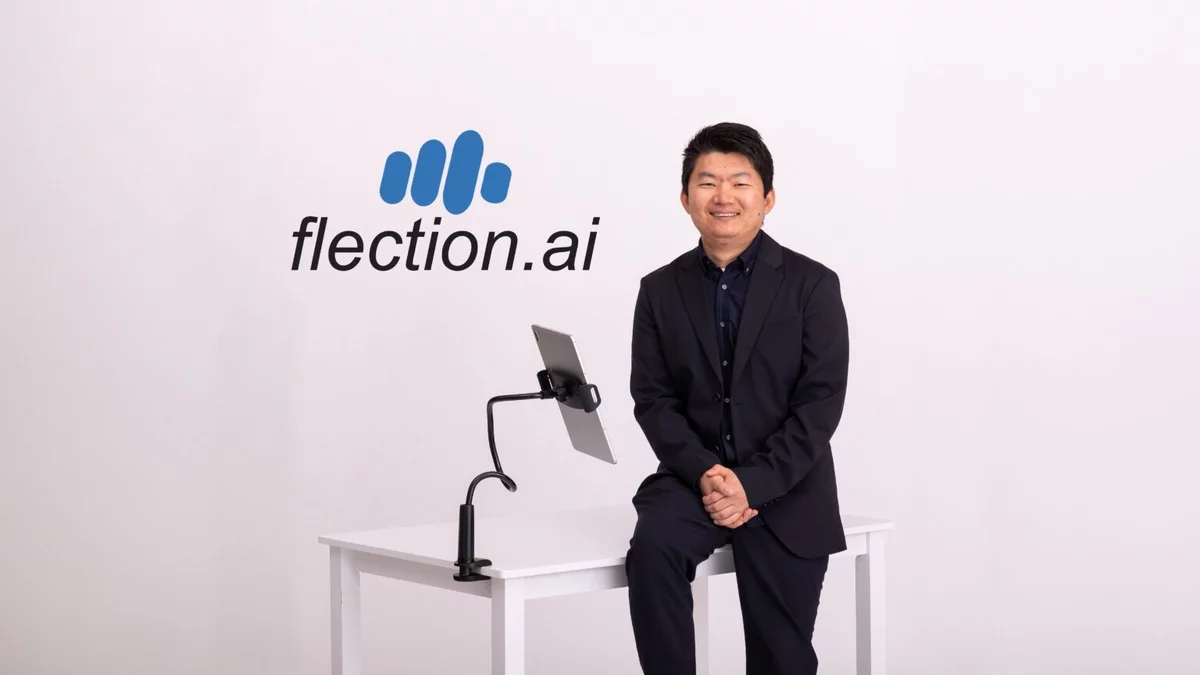
flection.ai founder Alexander Pak: AI tracks joint movement accuracy in real time
The neural network tracks key anatomical joints in real time, calculates limb flexion angles, provides spoken movement corrections and generates an objective range-of-motion report for the treating clinician. The platform is an Astana Hub resident undergoing validation in rehabilitation clinics in Almaty and Astana, helping thousands of people regain independence.
MedTech • AI & DeepTech
flection.ai
A computer vision AI platform for remote rehabilitation and motor recovery after strokes and injuries. An Astana Hub resident.
6. ZebraEye: AI supporting vision care and rare-disease detection
Many retinal conditions causing irreversible blindness—including diabetic retinopathy, glaucoma and age-related macular degeneration—have no symptoms early on. By the time a patient notices reduced sharpness or visual-field loss, irreversible damage may already have occurred. Rare retinal diseases pose an additional challenge because a general ophthalmologist may encounter a particular condition only once in a career.
Kazakhstani startup ZebraEye, founded by researcher Yana Ten, is developing a neural network for early retinal disease detection using fundus photography and optical coherence tomography (OCT). Its name refers to the medical saying, “When you hear hoofbeats, think horses, not zebras,” highlighting how easily unusual and rare cases can be overlooked.

ZebraEye founder Yana Ten: AI retinal screening can detect severe conditions before blindness develops
ZebraEye’s algorithms analyse retinal blood vessel patterns and identify microaneurysms, exudates and neovascularisation, helping general practitioners and clinics screen at-risk patients within seconds. The project has gained international recognition, including success in EY Entrepreneurial Winning Women programmes and accelerators with Draper University mentors.
MedTech • AI & DeepTech
ZebraEye
An AI system for automated ophthalmic screening of rare and common significant retinal diseases using fundus images and OCT.
7. Hemo.Labs (Umaia): preventive medicine and risk detection through blood biomarkers
Healthcare has long been reactive: people visit doctors after substantial pain or chronic disease appears. Longevity and evidence-based preventive medicine require a different approach—detecting subclinical metabolic changes years before they develop into type 2 diabetes, atherosclerosis or autoimmune disease.
Kazakhstani startup Hemo.Labs, operating under the Umaia brand and led by Alua Musralina, is developing an intelligent blood biomarker interpretation system. Whereas standard laboratory reports flag values outside fixed reference ranges, Hemo.Labs uses machine learning to analyse correlations among dozens of biochemical indicators together.
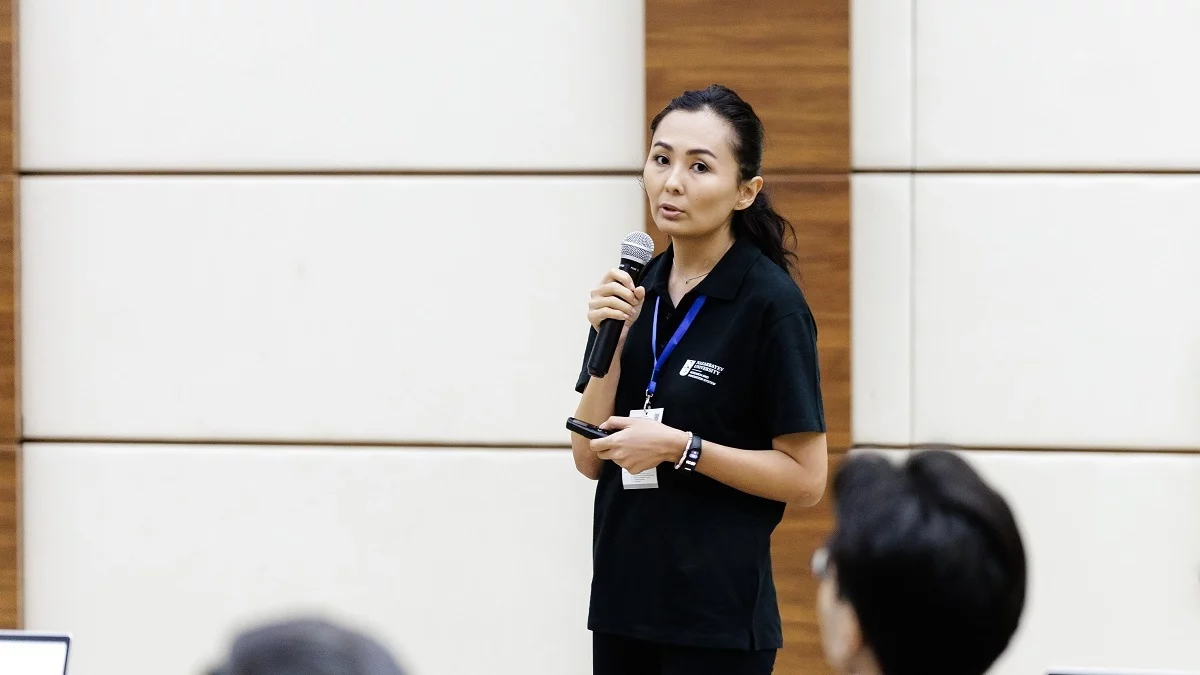
Hemo.Labs founder Alua Musralina: predictive blood biomarker analysis for personalised longevity
The algorithm identifies low-grade systemic inflammation, early insulin resistance, liver strain and metabolic syndrome risks, producing evidence-based personalised recommendations for patients and nutrition specialists on diet, sleep and supplements. The team completed a programme at Draper University in Silicon Valley and presented at TechCrunch Disrupt.
MedTech • Longevity
Hemo.Labs (Umaia)
An AI platform for predictive blood biomarker analysis and personalised preventive medicine. A Draper University graduate.
The HealthTech ecosystem: other projects changing medicine in Kazakhstan
Beyond advanced diagnostic AI, Kazakhstan’s medical services market is developing consumer access tools and industrial infrastructure:
- DOQ.kz, founded by Aidar Aryngazin and Madi Maskenov, is the country’s largest doctor marketplace and appointment booking service. It connects more than 1,000 clinics and hundreds of thousands of verified patient reviews, digitising initial access to healthcare.
- AMS (Automated Monitoring Solutions), founded by Danil Mukhalev, develops pre-shift medical screening hardware and software in Aktau, western Kazakhstan, adapted to extreme oil and gas field conditions.
- ROBIO, founded by Togzhan Syrymova, develops advanced neurally controlled bionic hands and received a special award for advancing domestic robotics.
RAEM editorial conclusions
Kazakhstan’s MedTech sector has moved beyond local experimentation. The entry of Cerebra AI, Defect AI (Rette) and Aidentis into Stanford StartX demonstrates that domestic engineers can build world-class algorithms capable of passing rigorous US medical review.
Future growth will depend on medical data infrastructure through MedHub HAQ and Health Tech Lab HAQ, regulatory sandboxes and alignment of Kazakhstani clinical trials with FDA and CE marking standards. This could open opportunities for dozens of new projects and make Kazakhstan a central medical AI hub in Central Eurasia.