Reviews
Zipline Executive Deal Memo: Valuation, Business Model, and Autonomous Drone Logistics IPO Outlook
Executive Snapshot & Valuation Triangulation
| Zipline is the undisputed global leader in commercial autonomous drone delivery, having proven the unit economics of beyond-visual-line-of-sight (BVLOS) logistics at planetary scale. Having completed more than 125 million commercial autonomous flight miles and delivered over 2 million commercial payloads, the company raised over $600 million in its Series H round at an equity valuation surpassing $4.2 billion. Moving from national medical logistics in Rwanda and Ghana to suburban retail logistics with Walmart, Sweetgreen, and GNC in the US via its revolutionary Platform 2 (P2) Zip ecosystem, Zipline represents the preeminent pre-IPO asset in autonomous aerial robotics. |
1.1. Company Profile and Core Technological Platforms
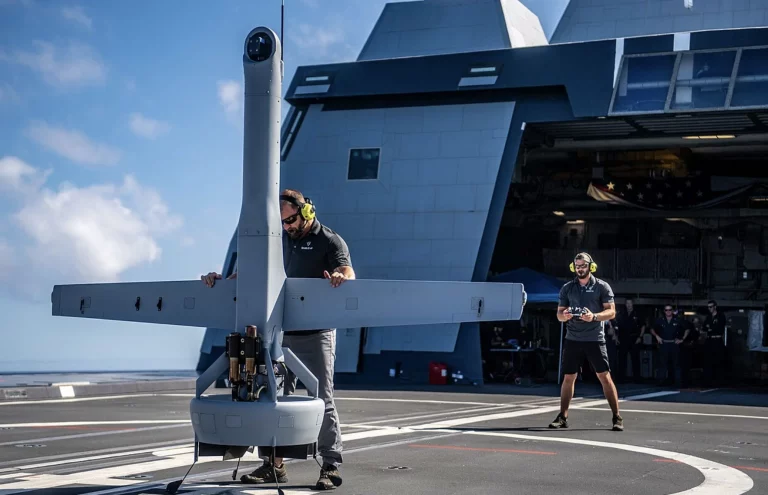
- Platform 1 (P1 Long-Range Fixed-Wing): High-speed fixed-wing aircraft catapult-launched from central distribution hubs, flying at 100+ km/h up to 80 km radius and dropping parachuted medical payloads with meter-level precision. Operates 24/7 across Rwanda, Ghana, Nigeria, and Kenya.
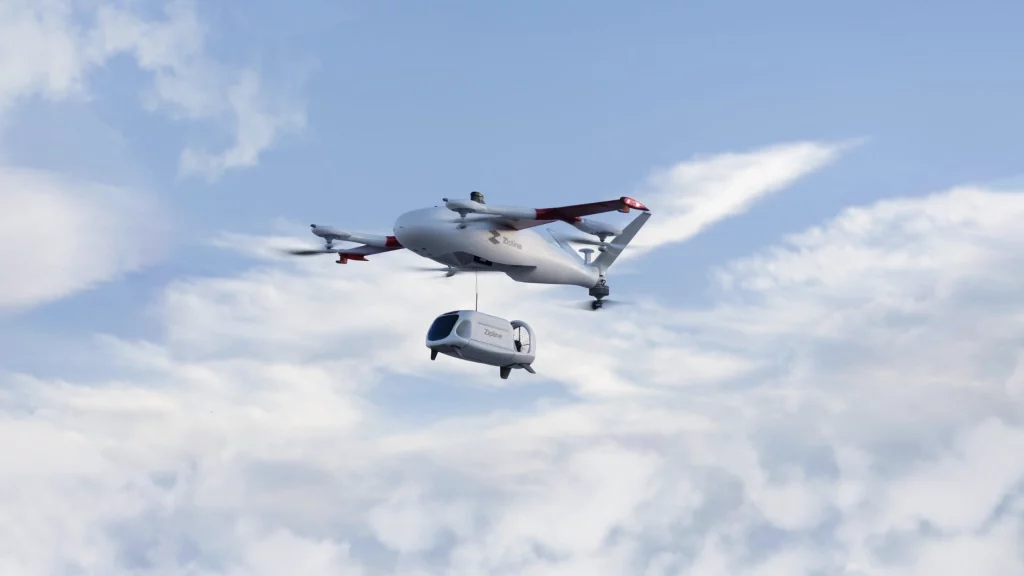
- Platform 2 (P2 Urban Droid Fleet): Revolutionary multi-rotor aircraft designed for high-density suburban retail. The mothership hovers quietly at 100+ meters altitude while deploying an acoustic-dampened autonomous tether “Droid” that gently descends, places the cargo within a two-foot target on an outdoor patio or driveway, and retracts back into the bay in seconds.
1.2. Valuation Triangulation Matrix
| Metric / Scenario |
Bear Case (Floor) |
Base Case (Pre-IPO) |
Bull Case (Market Debut) |
| Enterprise Valuation |
$3.2 Billion |
$4.2 – $5.0 Billion |
$7.5+ Billion |
| Revenue Multiple (P/S) |
12× Forward Revenue |
18× – 22× Forward Revenue |
30× Forward Revenue |
| Daily Deliveries |
5,000 / day |
15,000 / day |
50,000+ / day |
Triangulated Comparable Transactions (Comps)
| Company |
Status / Deal |
Valuation / Market Cap |
Revenue Multiple |
Strategic Implication for Zipline |
| DoorDash (DASH) |
Public (NASDAQ) |
~$50 Billion |
4.5× – 5.5× EV/Rev |
Labor-heavy last-mile benchmark ($7-$10 human delivery cost vs $1.50 drone target) |
| Wing (Alphabet) |
Corporate Subsidiary |
Estimated $3B+ |
N/A (R&D division) |
Direct US competitor, but lags Zipline in cumulative commercial flight hours |
| Joby Aviation (JOBY) |
Public (NYSE) |
~$4 Billion |
Pre-revenue multiple |
FAA Part 135 certification benchmark in electric aviation |
Value Drivers and Last-Mile Economics
Why are venture and institutional investors willing to pay over 20× forward revenue for Zipline? The economics of the last mile provide the answer:
- Human Labor Elimination: Over 60% of modern on-demand delivery costs (DoorDash, UberEats) stem from driver labor, vehicle depreciation, and tip subsidies. A single Zipline flight operator supervises up to 20 autonomous drones concurrently, compressing marginal delivery costs below $2.00 per drop.
- Bypassing Traffic Congestion: Straight-line aerial transit delivers medicines or hot meals in 10 minutes rather than 45 minutes of suburban gridlock.
- FAA Part 135 Air Carrier Certification: Zipline secured rigorous FAA air carrier approval for commercial BVLOS operations without visual observers, erecting an immense regulatory barrier against newcomers.
Risk Audit & Due Diligence Red Flags
- Regulatory and Airspace Crowding: Scaling thousands of concurrent drone flights in major US metropolitan areas requires next-gen UTM (Unmanned Traffic Management) and FAA approval.
- Community Noise Pushback: Even with tethered droids, suburban residents may voice acoustic and privacy objections.
- Concentration in Emerging Markets: P1 revenue remains anchored in government healthcare contracts in Africa, which carry sovereign currency and budgetary transition risks as the US business scales.