Thirty years after Dolly the sheep made global headlines in 1996, animal cloning in 2026 has quietly transitioned from academic science fiction into a commercial, multi-million-dollar industry. Across the United States, wealthy pet owners pay $50,000 to replicate deceased canine companions. Meanwhile, in China, state-backed biotechnology institutes clone high-yield dairy goats and Tibetan yaks to compress decades-long livestock breeding cycles into months. RAEM.KZ explored the commercial economics, scientific mechanics, and bioethical trade-offs shaping the global cloning race.
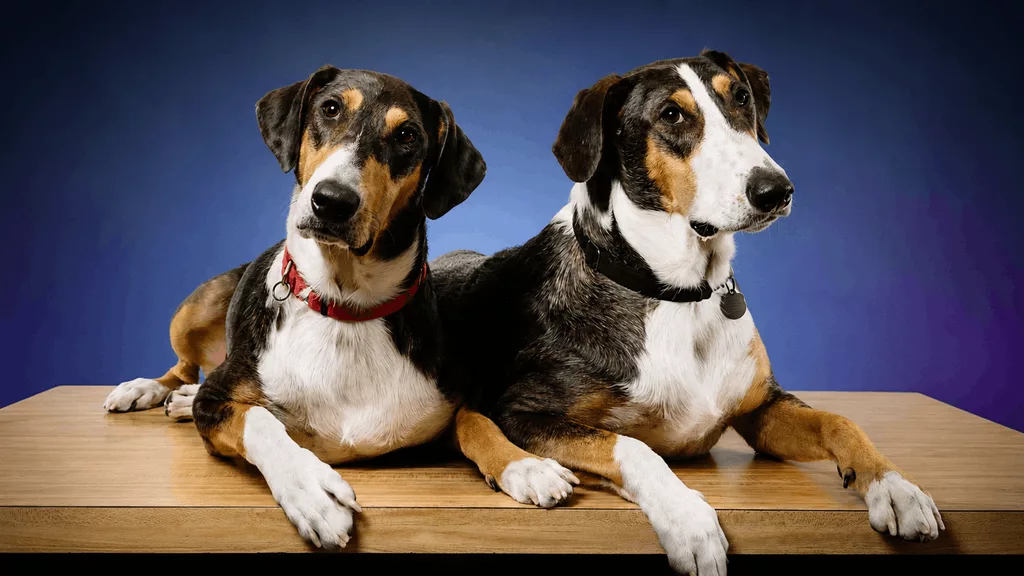
How a Dog Is Cloned — And Why It Is Not “Resurrection”
Commercial animal cloning relies on Somatic Cell Nuclear Transfer (SCNT). A veterinarian extracts a small skin biopsy from a living or recently deceased animal, culturing viable donor cells. In a specialized laboratory, technicians harvest unfertilized egg cells (oocytes) from a donor animal, remove the maternal nucleus, and insert the donor cell nucleus. An electrical pulse fuses the cell and initiates division. The resulting embryo is implanted into a surrogate female who carries the pregnancy to term.
Crucially, cloning does not “resurrect” a deceased pet. It produces a monozygotic (identical) twin born years or decades later. While the cloned animal shares identical nuclear DNA, its personality, temperament, memory, and learned behaviors are shaped by post-natal environment, maternal uterine epigenetics, and socialization. A cloned guard dog will not automatically possess its predecessor’s protective habits, and coat markings may differ subtly due to random epigenetic pigmentation expression.
Why Pet Cloning Thrives in the United States
The US pet cloning market is anchored by Texas-based ViaGen Pets & Equine, the primary commercial provider operating in North America. By mid-2026, ViaGen’s standard retail pricing stood at $50,000 for a dog or cat, and $85,000 for a horse. Cell preservation services (harvesting and cryopreserving viable tissue lines) cost $1,600 initially, followed by a $150 annual cryogenic storage fee.
The American market thrives at the confluence of deep emotional attachment and an enormous pet care economy. According to the American Pet Products Association (APPA), US pet expenditure surpassed $158 billion in 2025, with over 95 million households owning animals. As pets are increasingly regarded as full family members, affluent owners view biobanking and cloning as the ultimate hedge against tragic loss. Despite a 5-to-7 month client waiting list, ViaGen acknowledges the service remains a boutique luxury due to pricing barriers and ethical controversies.
US vs. China: Two Divergent Commercial Paradigms
While the United States packages cloning primarily as an emotional, high-margin consumer service for private pet and horse owners, China treats the technology as a strategic agricultural and industrial asset. Chinese commercial labs such as Sinogene clone companion animals, but regional governments and agricultural academies heavily subsidize mass livestock cloning to achieve food security and breed preservation.
| Attribute | United States | China | South Korea |
|---|---|---|---|
| Primary Market | Companion pets, elite sport horses, cryobanking | Pets, agricultural livestock, rare breeds, research | Scientific research, working and service dogs |
| Business Model | Premium B2C boutique service | Commercial B2C combined with state agro-programs | Specialized research centers and spin-offs |
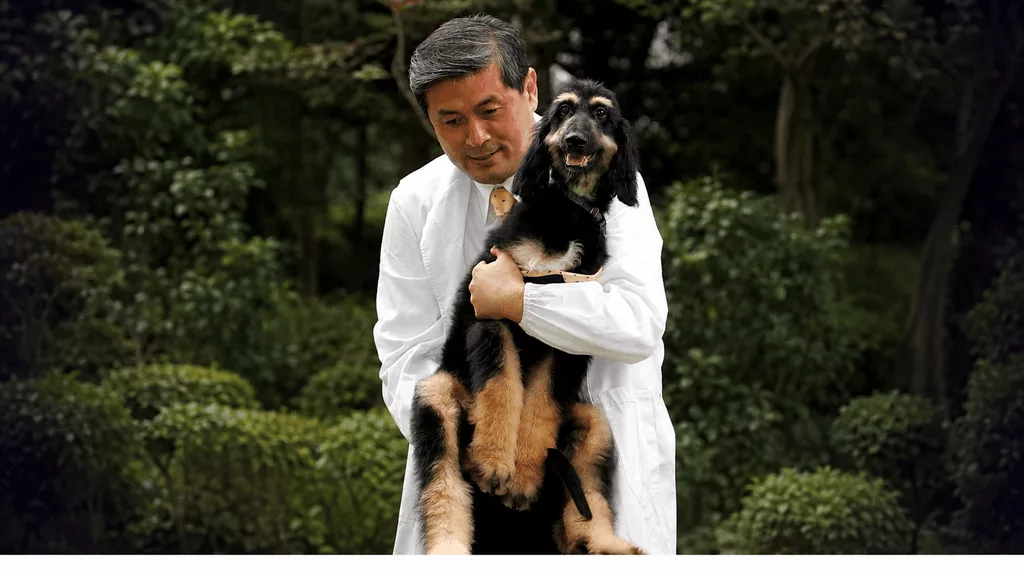
| Key Benchmark | $50,000 flat rate per dog/cat clone | 10 cloned Tibetan yaks born in spring 2026 | First cloned dog Snuppy created in 2005 |
| Strategic Direction | Private cell banks and personalized genetics | Mass-scaling elite agricultural genotypes | Working dog performance and breeding efficacy |
| Core Risk | Marketing the illusion of “bringing a pet back” | Narrowing genetic diversity through mass cloning | Surrogate welfare and donor animal ethics |
What China Is Cloning in 2026
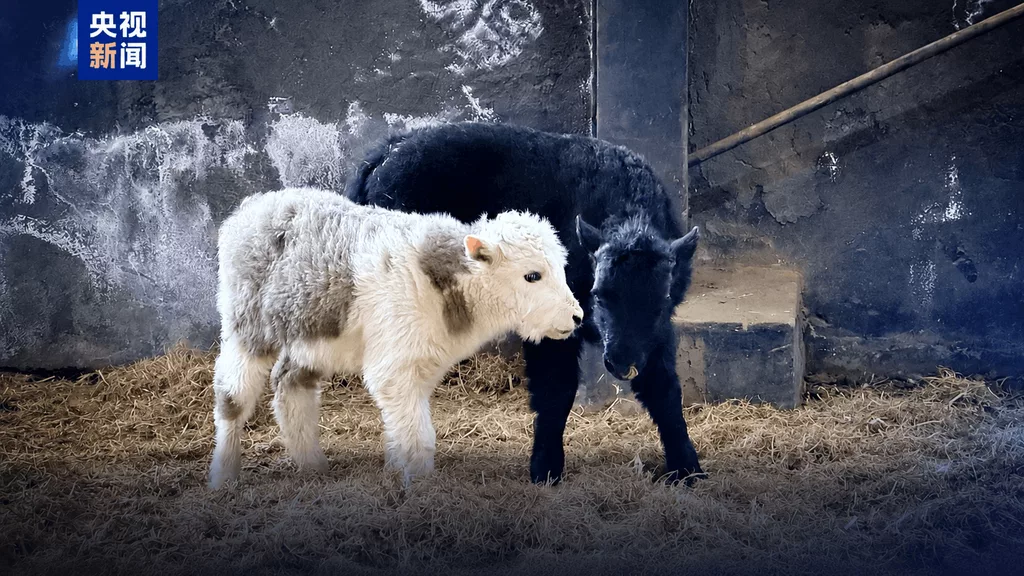
Recent developments in China illustrate a decisive shift from laboratory demonstrations to industrial replication. In spring 2026, researchers in the Tibet Autonomous Region announced the birth of 10 cloned Tibetan yaks (three black and seven white) using somatic cell transfer. The project aimed to accelerate plateau herd genetic improvement, with Sixth Tone reporting that cloning can compress selective breeding cycles from 20 years to under five.
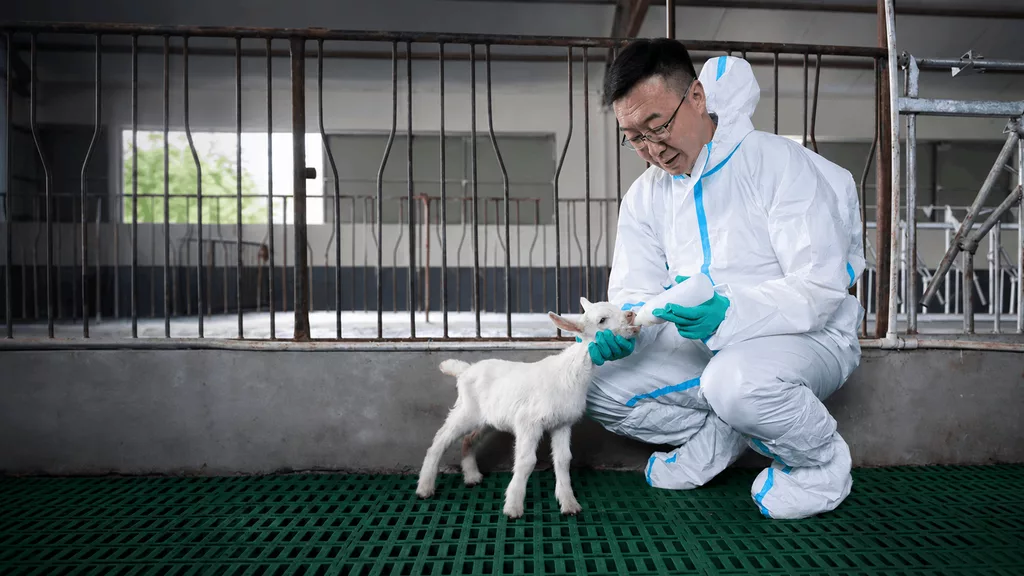
Similarly, in Shaanxi province in May 2026, agricultural researchers welcomed six cloned Saanen dairy goats from top-tier donors yielding over 2,800 kg of milk annually with elevated fat and protein concentrations. Instead of waiting decades for generational breeding, agricultural operators clone elite milk producers to swiftly revitalize regional breeding stocks.
The Bioethical Reality: The Cost Behind Every Successful Pregnancy
The primary bioethical critique leveled against commercial cloning concerns the “loss ratio” required to deliver a single healthy puppy or calf. Veterinary studies indicate that Somatic Cell Nuclear Transfer still carries an efficiency rate between 5% and 20%. Producing one viable cloned pet often requires dozens of surgically harvested oocytes and multiple surrogate mothers who experience miscarriages, embryonic reabsorptions, or neonatal complications.
Veterinary associations in Europe and the US continuously urge prospective pet owners to consider shelter adoptions rather than paying five-figure sums for cloned companions. Furthermore, religious authorities across Christianity, Islam, and Judaism broadly distinguish between human cloning (universally condemned) and veterinary biotechnology (generally permissible when aimed at agricultural utility, medical research, or disease mitigation, but questioned when serving vanity).
Is Animal Cloning Permitted in Kazakhstan?
In Kazakhstan, domestic legislation does not explicitly ban somatic animal cloning, but no commercial or academic laboratories currently offer domestic cloning services for pets. A Kazakhstani pet owner seeking to clone an animal would have to coordinate with accredited foreign facilities in the US, China, or South Korea, arranging cold-chain cell transport (via tissue biopsy within five days of post-mortem refrigeration without freezing) and international veterinary customs clearance.
Frequently Asked Questions
How much does it cost to clone a dog in 2026?
At US-based ViaGen Pets, commercial canine cloning costs $50,000. Tissue biopsy preservation costs $1,600, with a $150 annual cryogenic maintenance fee.
Will a cloned pet behave identically to the original?
No. While nuclear DNA is identical, personality, temper, learned habits, and emotional attachment are molded by upbringing, training, and environmental variables.
Is a clone considered a GMO (Genetically Modified Organism)?
No. Conventional cloning replicates an existing genetic sequence without altering the DNA. Genetic engineering explicitly inserts, deletes, or alters specific genes.
Can you clone an animal that has already passed away?
Yes, provided a viable tissue biopsy is extracted within five days of death while the body is refrigerated (not frozen).
Has a human ever been cloned?
No verified cloned human has ever been born. The controversial 2018 Chinese CRISPR twin experiment involved gene editing in human embryos, not somatic cloning.