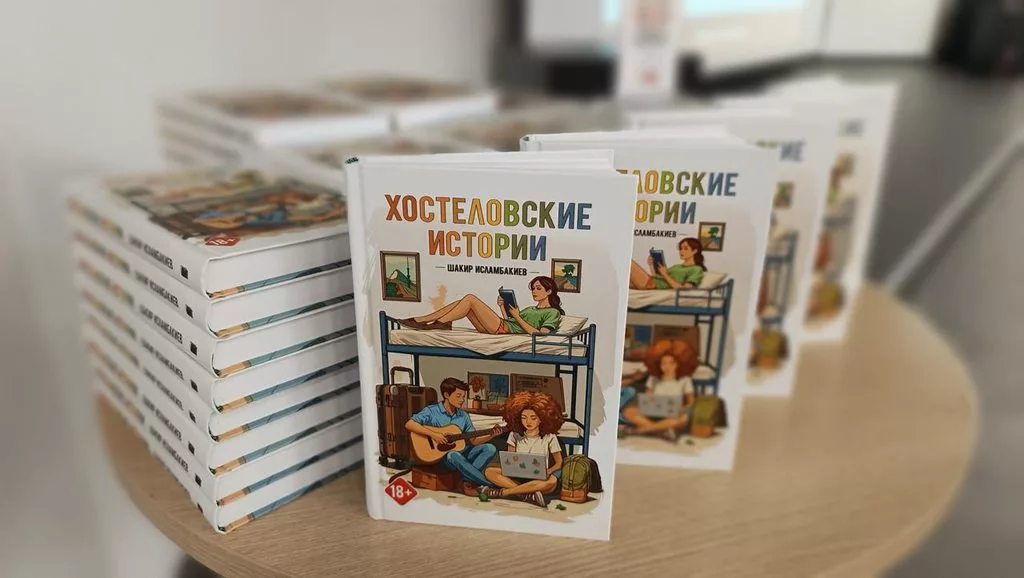
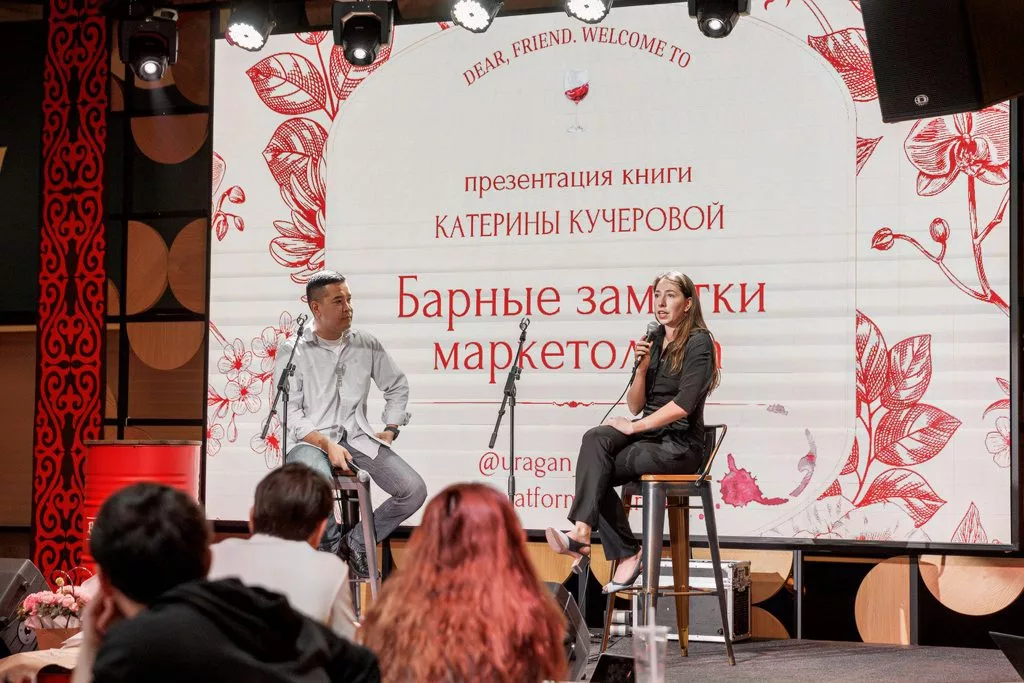
Literary editor Katerina Kucherova has encountered manuscripts generated almost entirely by artificial intelligence. Her editing work required excising repetitive clichés, restoring narrative logic, and reviving the author’s missing emotional voice. In contrast, software engineer and author Shakir Islambakiyev adopted a different methodology: he authored his acclaimed memoir Hostelology entirely from personal memory, employing AI strictly as a research assistant and structural proofreader. RAEM investigated how generative models are transforming publishing in Kazakhstan.
AI Can Draft a Manuscript, but Clichés Betray It
Large language models can effortlessly produce hundreds of pages of polished, grammatically flawless text in minutes. However, professional book editors immediately spot the telltale hallmarks of synthetic writing: hollow metaphors, emotionally flat dialogue, and an artificial neutrality that avoids raw, messy human vulnerability.

Personal Lived Experience Remains Irreplaceable
Authentic storytelling draws its magnetic power from specific, idiosyncratic details: the smell of damp hostel corridors, the tension of an Almaty winter power outage, or the subtle hesitation in a lover’s voice. An algorithmic model trained on internet averages cannot invent authentic lived memory; it can only reassemble generalizations.
Where AI Genuinely Empowers Writers
While AI fails as an authentic primary narrator, it serves as an extraordinary intellectual sparring partner:
- Overcoming the Blank Page Syndrome: Brainstorming alternate plot twists, generating character names, and drafting rough chapter outlines.
- Automated Fact-Checking and Chronology: Cross-referencing historical dates, verifying technical jargon, and maintaining internal narrative consistency.
- Translation Drafting: Preparing initial bilingual drafts for Kazakh and English editions, provided an expert human translator performs literary polishing.
The Future: Co-Pilot, Not Ghostwriter
The consensus among Kazakhstani literary figures is clear: artificial intelligence will not replace authentic writers. Instead, writers who skillfully master AI tools to accelerate research and eliminate administrative drudgery will produce richer, more prolific literature than those who resist technological evolution.