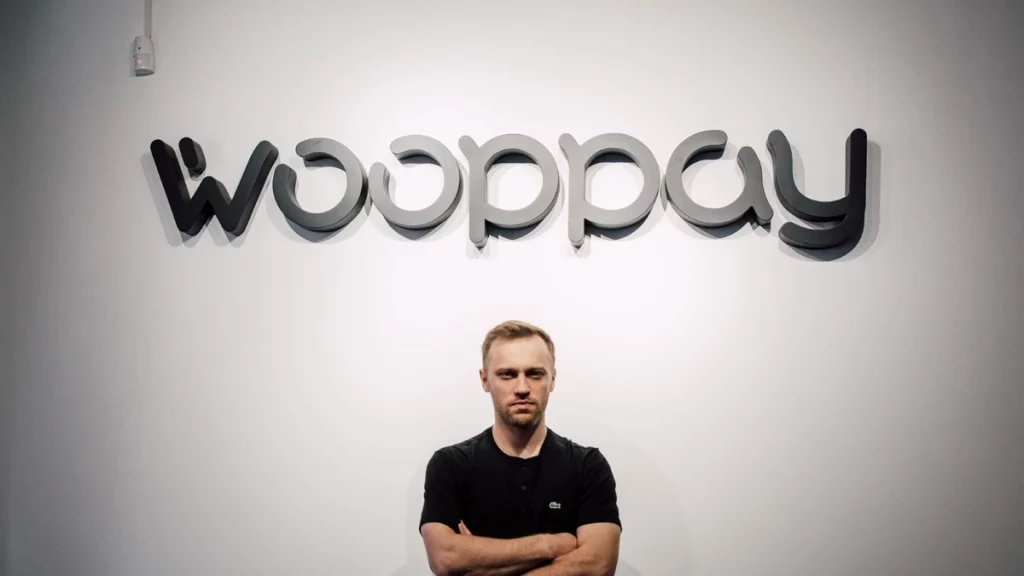
Wooppay stands as one of the most distinctive success stories in Central Asian fintech: a Karaganda-born financial technology venture that established Kazakhstan’s first licensed digital wallet and evolved into a nationwide payment processing engine for enterprise and government clients.
Core Infrastructure and Enterprise Services
Wooppay operates across two primary strategic pillars: a proprietary consumer e-wallet for retail users, and an enterprise payment processing gateway serving commercial enterprises and municipal institutions. For a comparative overview of online payment acceptance solutions, read our comprehensive guide to payment gateways and internet acquiring for IT and e-commerce in Kazakhstan.
Wooppay’s B2B infrastructure powers transactions for major digital market leaders across Kazakhstan and the CIS—including mobile carriers Kcell and Beeline, regional marketplaces such as Satu.kz and Kolesa Group, alongside global gaming giant Wargaming.
In January 2016, Wooppay achieved a major industry breakthrough by partnering with Beeline and Kcell to introduce carrier billing: allowing consumers nationwide to purchase retail goods and services directly using their mobile airtime balance. This functionality encompassed municipal transit ticketing and parking fees, while enabling users to transfer funds from cellular accounts to debit cards or withdraw physical cash at Kazpost branches and Qazkom ATMs without possessing a bank card.
Origins, Leadership, and Regulatory Milestones
The concept originated in April 2011 with founder Alexander Doroshenko, who designed a digital utility billing system driven by mobile carrier balances and presented the initiative under the title “Mobile Kazakhstan” at the BarCamp startup summit in Almaty.
In November 2011, technologist Alexander Bondarenko joined the company, hosting the system’s first production server on his home computer before commercial office facilities were leased. The legal entity, TOO WOOPPAY (BIN 120340004314), was officially incorporated on March 6, 2012, headquartered in Karaganda.
Today, Doroshenko serves publicly as co-founder and Chief Business Development Officer (CBDO), while Bondarenko leads operational execution as partner and Chief Executive Officer (CEO). In 2017, Wooppay achieved a definitive regulatory milestone, becoming the first electronic money system officially registered in the National Bank of the Republic of Kazakhstan’s national registry of payment organizations.
Business Scale and Transaction Volume
In 2024, Wooppay processed over 220 million transactions, maintaining an average daily transaction turnover of 2.6 billion KZT.
According to public fiscal data aggregated by Statsnet for 2026, Wooppay’s estimated annual revenue stood at approximately 21.26 billion KZT, with cumulative annual corporate tax payments of 342.9 million KZT and a portfolio comprising 16 government contracts. These metrics represent external analytical benchmarks reflecting healthy enterprise liquidity rather than self-reported financial statements. Peak retail registration figures publicly reported reached over 300,000 active digital wallet accounts.
Market Positioning and Competitive Comparison
| Service | Strategic Focus | Market Entry (KZ) | Competitive Distinctive |
|---|---|---|---|
| Wooppay | Digital e-wallet + enterprise & public sector payment processing | 2012 | Pioneering regional fintech originated in Karaganda rather than Almaty/Astana; deep telco carrier billing integrations |
| FreedomPay (formerly PayBox.money) | B2B merchant payment acceptance & mass automated payouts | 2014 | Multi-regional operational presence across Kazakhstan, Uzbekistan, and Kyrgyzstan; enterprise clients include OLX, Yandex Taxi, Uber |
| CloudPayments | Internet acquiring for e-commerce platforms & mobile apps | — | Multi-currency payment processing across 30 currencies with standardized CMS plugins for online retail |
Wooppay’s core differentiation from pure acquiring gateways like CloudPayments lies in its dual architecture: sustaining a dedicated consumer B2C wallet while leveraging direct integrations with telecommunications operators, rather than relying exclusively on banking cards. To understand the broader architecture of domestic financial infrastructure, explore our deep dive on Kazakhstan’s digital venture ecosystem and financial technology landscape.