Illustration: AI
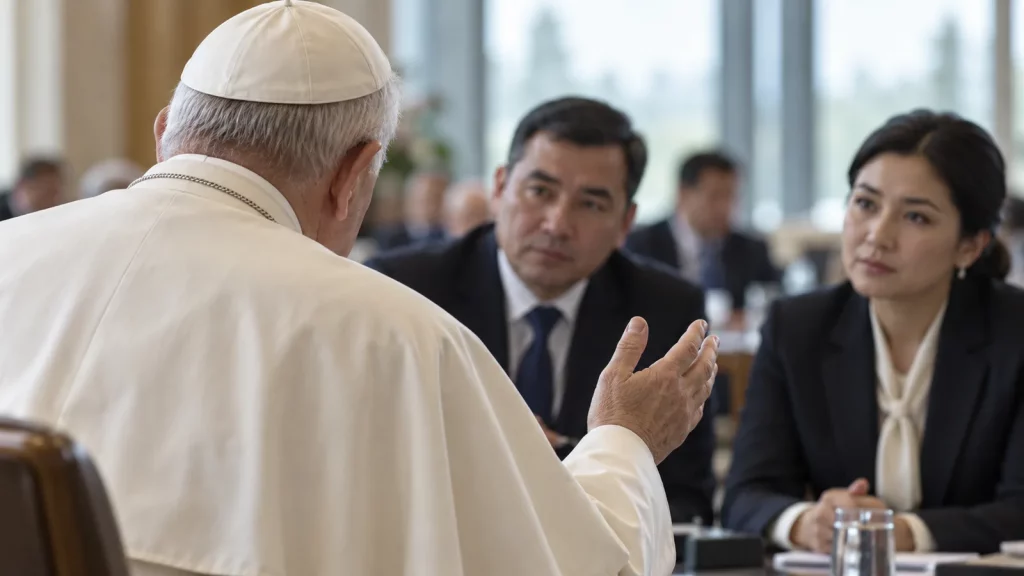
Pope Leo XIV urged UN member states meeting in Geneva to take concrete steps to ban lethal autonomous weapons (theverge.com). He said decisions about human lives, freedom and the use of force must remain under effective, informed and responsible human control.
What Leo XIV proposed
In his address to participants, the pontiff said artificial intelligence systems must be “disarmed”. He placed responsibility for how the technology is used on people: its use must be guided, changed and, when necessary, rejected.
The call for a ban concerns lethal autonomous weapons. Leo XIV also set out a broader principle: decisions affecting human life and freedom require human control.
Why the pope opposed rights for AI
“Machines are tools, not persons,” Leo XIV said. He warned of the danger of granting AI systems rights or legal personhood.
This position continues the theme of protecting people in the age of artificial intelligence. The pontiff also addressed it in his major papal document published in May.
How to scrutinize decisions on AI use
Leo XIV urged international institutions to protect the common good from risks associated with AI. To do this, he proposed shared standards, independent oversight and clear accountability mechanisms.
Together, these measures should allow decisions about AI development and use to be scrutinized and, where necessary, challenged. Such decisions must also be accompanied by appropriate measures to remedy any harm caused.
What Francis said
In 2024, Pope Francis also called for a ban on lethal autonomous weapons. He said no machine should ever decide whether to take a human life.
Leo XIV linked his choice of name to the need to respond to the development of artificial intelligence. He drew a parallel with Leo XIII, who led the Church during the Industrial Revolution.
The latest appeal is addressed to UN member states ahead of the Geneva meeting. Leo XIV urged them to take concrete steps to ban lethal autonomous weapons.