Photo: пресс-служба Алтынай Танирбергенова
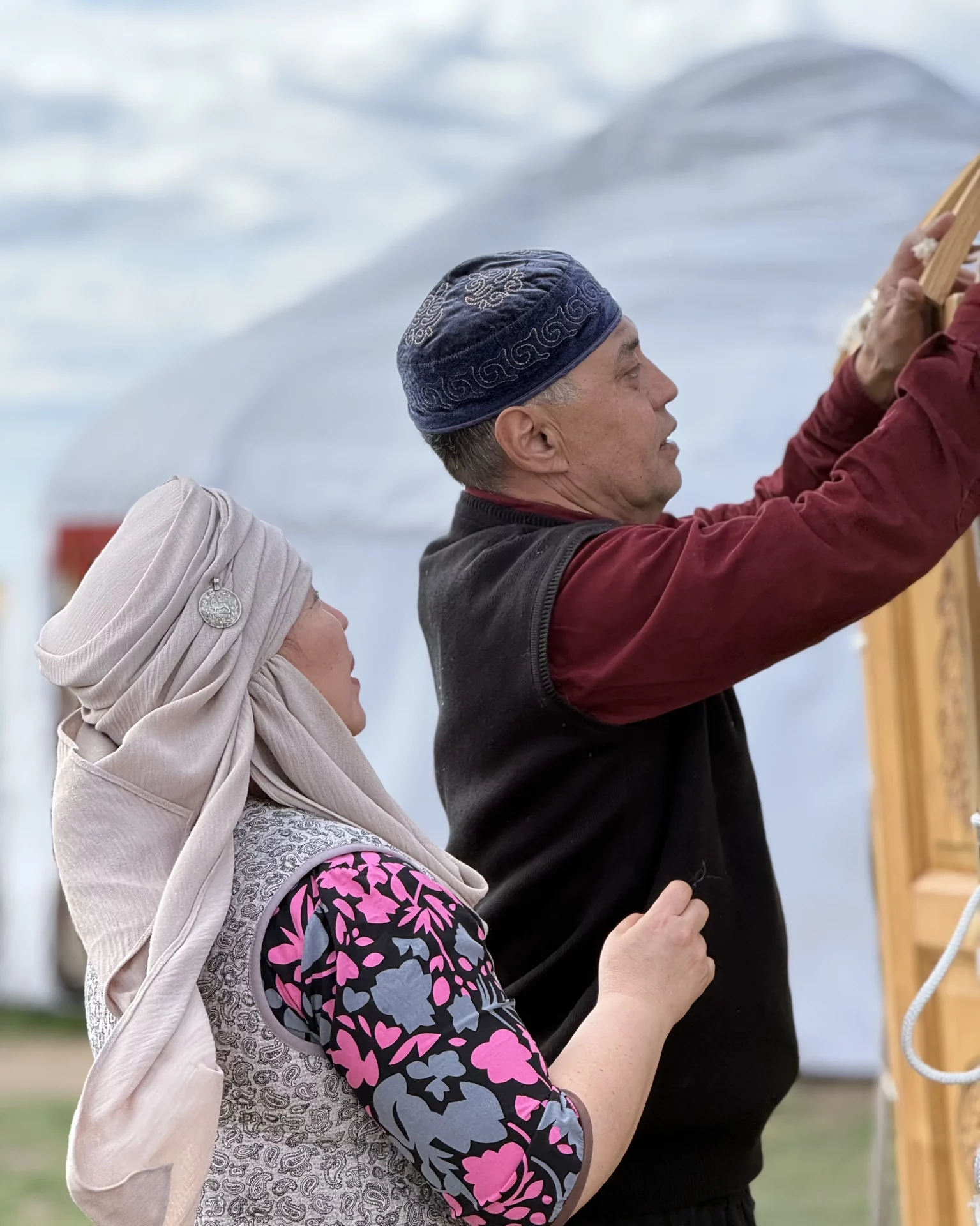
Altynai Tanirbergenova and her husband, Nurlan Tokenov, make Kazakh yurts with frames made from rotary-cut birch veneer. Their company, QAZAQ ÜY, has sold 20 five-metre-diameter yurts, while their QAZAQ ECO FARM near Astana welcomed more than 700 international tourists over the summer of 2026. The family is now seeking investors for a production and crafts complex — the project Altynai is taking through Creative Shift.
Who they are and what they do
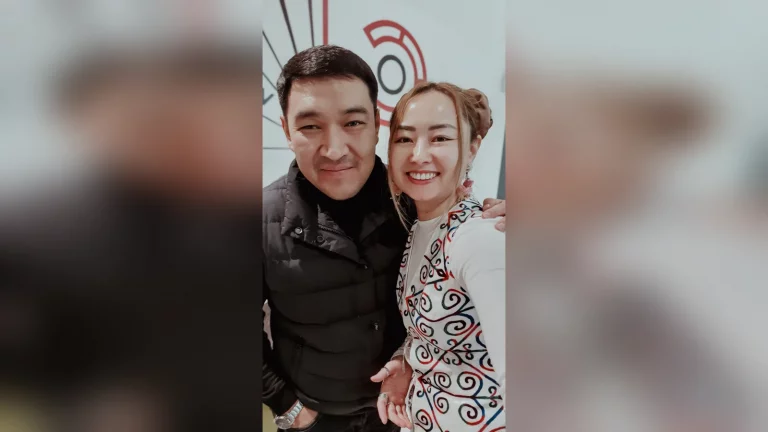
Altynai is a social entrepreneur, holds a Candidate of Sciences degree in psychology and heads QAZAQ ÜY and QAZAQ ECO FARM. Nurlan is the founder of QAZAQ ÜY and the craftsman who revived the yurt frame production process. He also preserves and passes on the knowledge of how to make an altybakan.
QAZAQ ÜY makes yurts with birch veneer frames, natural felt and interior furnishings. Its buyers include private customers, tourist resorts, cultural tourism complexes and glamping sites. The company is now also in talks with overseas customers.
Materials supplied by the guest · Photo: press office Алтынай Танирбергенова
How it all began
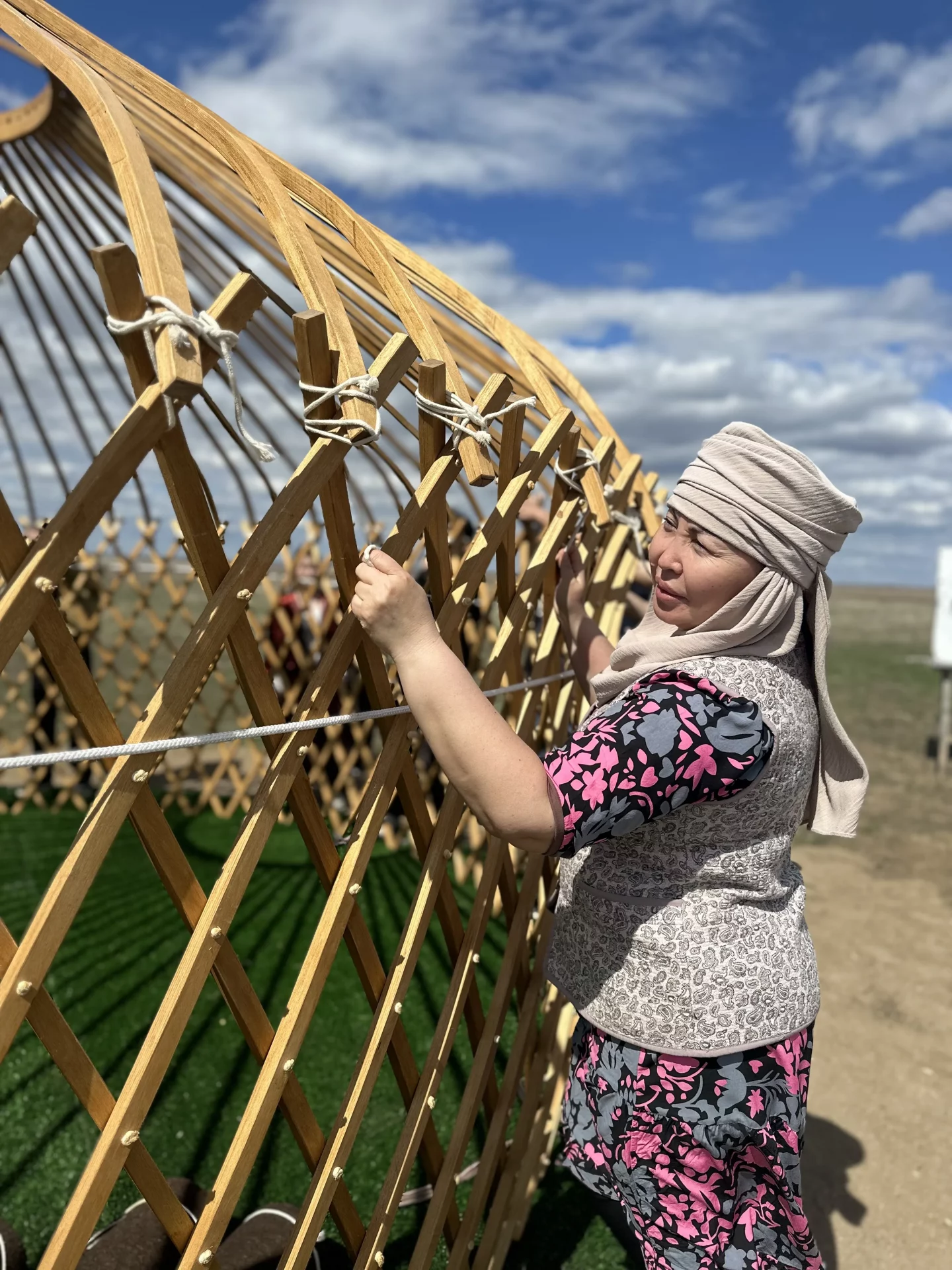
After the yurt factory in Ushtobe was destroyed, Nurlan kept a shanyrak and a sample of the curved kerege lattice. Starting in 2007, he worked to reconstruct the process of making frames from rotary-cut birch veneer: the production steps, equipment, and the shape and quality of the components.
“It mattered to him to revive the process and carry on the work of the craftspeople,” Altynai says.
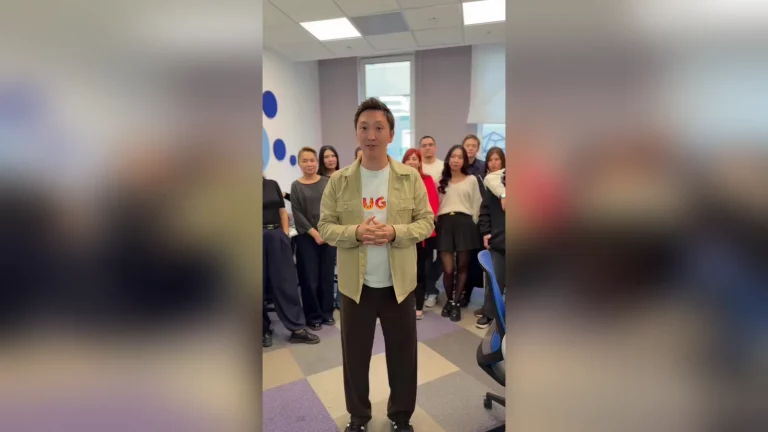
Working with his team, Nurlan built and upgraded six yurt-making machines by hand. The family is now preparing to patent its own technical developments. Production has grown into a family business: Nurlan oversees the craftspeople, while Altynai handles project development, partnerships and cultural programmes.
Materials supplied by the guest · Photo: press office Алтынай Танирбергенова
How much a yurt costs and who buys one
QAZAQ ÜY has sold 20 five-metre-diameter yurts in total — that is its sales figure to date, rather than for a single year. The family kept another three yurts for its own projects. A five-metre-diameter yurt costs 3.5 million tenge, and a six-metre-diameter one costs 4 million tenge. The final price depends on what is included.
Yurts are made to order in a small workshop on the farm property that also houses the ethno-farm. Workshop space is currently the main constraint.
“We have a working production process, a finished product and sales experience, but increasing output will take larger premises, equipment and a team,” Altynai explains.
An ethno-farm near Astana
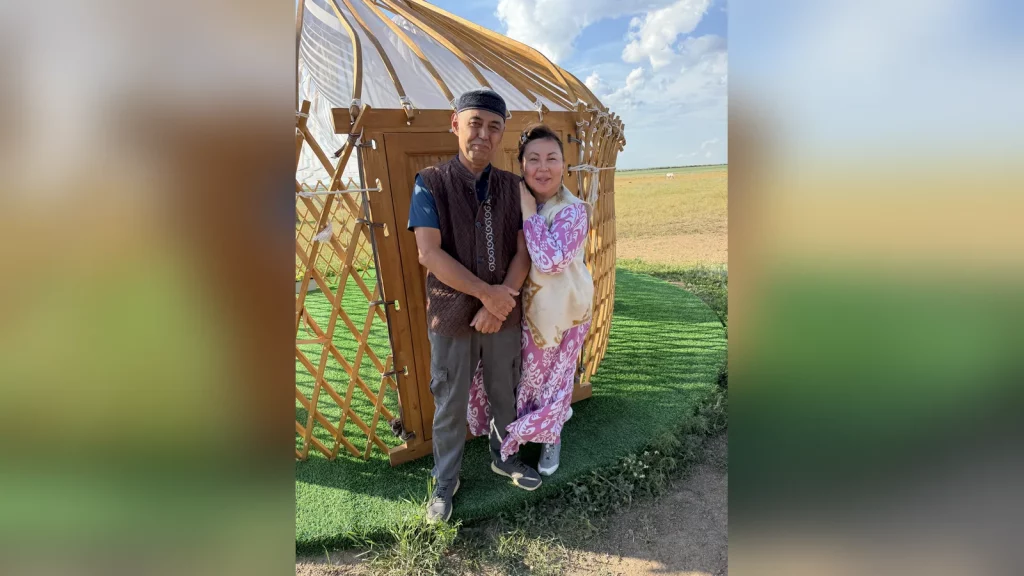
QAZAQ ECO FARM is in the Tselinograd district of Akmola region, near the village of Akmol, about 20 km from Astana. It covers 11 hectares. Guests help assemble a yurt, take felt-making workshops, prepare qurt and zhent, try archery, play asyq, ride an altybakan swing and meet the farm animals. Programmes also offer national cuisine, outdoor recreation and accommodation.
Over the summer of 2026, the farm welcomed more than 700 international guests. Visitors include families, tourists, organised groups, corporate teams and international volunteers.
“We wanted to create a place where the yurt is alive, welcomes guests and helps pass on traditions,” Altynai says.
What comes next: A complex for craftspeople
A plot of land has already been allocated for expansion through a state in-kind grant. The family plans to build a production and crafts complex with yurt production facilities, woodworking, felt-making, sewing and metalworking areas, a showroom, and space for workshops and training craftspeople.
Alongside yurts, QAZAQ ÜY wants to make furniture, kerege lattice partitions, lamps, chests, syrmak rugs, kurpe quilts and other interior furnishings. Another area is collaboration with artists and designers: a yurt can become an exhibition space and a work of art in its own right.
The project now needs investment and technology partners to build and equip the complex, production and sales specialists, partnerships with tour operators, architects and designers, and exhibition venues.
What Creative Shift has offered
For Altynai, the programme has been a chance to take a broader view of the family business — as a creative economy project bringing together craft, design, cultural heritage and tourism.
“When you are constantly dealing with production and day-to-day operations, it is important to set aside time for strategy,” she says.
Altynai hopes the mentoring programme in Astana will provide practical help with building a sustainable business model, preparing an investment proposal, finding partners and entering new markets.
Advice for anyone starting a creative project
“Start with what you know how to do and what feels meaningful to you. Explore your heritage — it holds plenty of ideas for modern products,” Altynai advises.
An idea should be tested in practice, she says: make a first sample, show it to people, listen to potential buyers and work out the costs.
QAZAQ ÜY website: qazaquy.kz; ethno-farm Instagram: @qazaq_eco_farm.
This article is part of the “Stories of Creative Shift Participants” series. Disclosure: raem.kz editor-in-chief Raimbek Iskendirov is also taking part in the programme.