

Photo: Tima Miroshnichenko / Pexels
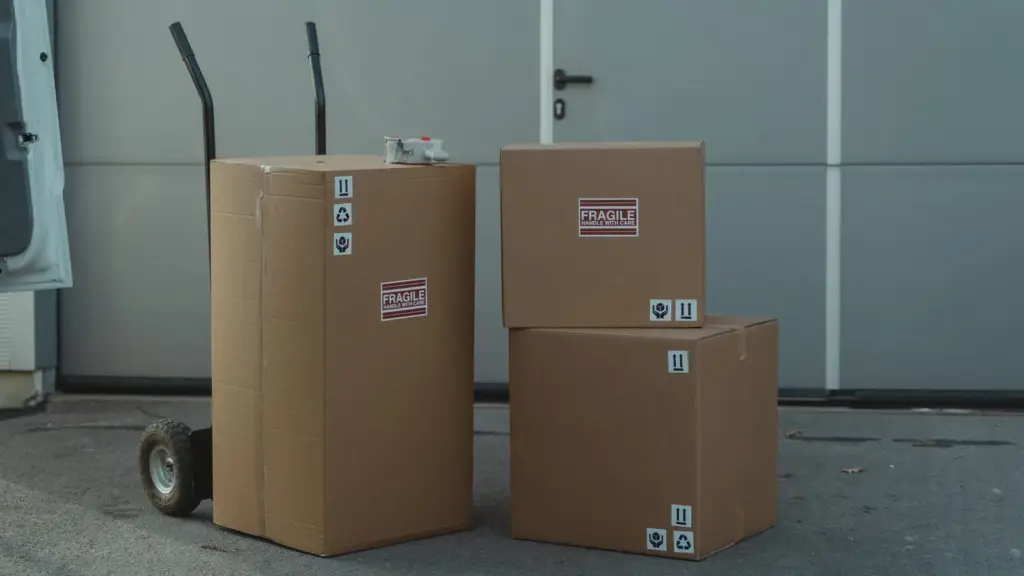
Kazakhstan manufacturers can qualify for zero or reduced tariffs when shipping goods to Vietnam with an EAV certificate of origin. Dmitry Vasenin explained which documents are needed to sell products and why a shipment can be held up at the port for 3–4 weeks.
raem.kz previously covered how Kazakhstan businesses can enter Vietnam. Vasenin explained the approval process for specific product categories and the requirements of online marketplaces.
A Vietnamese legal entity must register cosmetics
Cosmetics must be notified to the Drug Administration of Vietnam, part of the Ministry of Health. According to Vasenin, only a Vietnamese legal entity, either the brand’s company or an importer, can submit the documents.
The package includes a manufacturer’s letter of authorisation (LoA), a certificate of free sale (CFS), an INCI ingredient list with percentages, packaging mockups and a product information file (PIF). Cosmetics are governed by Circular 06/2011/TT-BYT and its amendments under 34/2025/TT-BYT. Since December 2025, the Health Ministry has scrutinised documents more closely, and the process cannot be expedited, Vasenin says.
Supplements need GMP and test reports
Dietary supplements require a CFS or Health Certificate, GMP for the manufacturing facility, a letter of authorisation, scientific evidence for the claimed effects and a notarised translation. GMP stands for Good Manufacturing Practice.
Test reports must be no more than 12 months old and come from a designated laboratory or one operating under ISO 17025. According to Vasenin, GMP for contract manufacturers often causes difficulties.
Vasenin says Decree 46/2026/NĐ-CP has been suspended until a new food safety law is adopted. Decree 15/2018 remains in force for now and requires GMP for imported supplements. The registration number is valid for up to 3 years.
He says common reasons for rejection include plant-based stimulant extracts and vitamin doses several times above the standard.
Disinfectants need a registration number before import
Requirements for household chemicals depend on whether the product has a disinfecting effect. If it does not, it needs a compliant label and a chemical product declaration through the National Single Window, with classification under GHS, Vasenin says.
Disinfectants are registered under Decree 91/2016. Commercial imports are prohibited until a registration number has been issued, Vasenin says.
Apostilles and labelling
Vietnam has joined the Apostille Convention. Decree 293/2026/NĐ-CP of 23.07.2026 sets out the procedure: for documents covered by the convention, an apostille replaces consular legalisation.
According to Vasenin, labelling has been governed by Decree 37/2026/NĐ-CP since 23.01.2026. Old labels are permitted until 23.01.2028, and electronic labels accessed through a QR code or Data Matrix are allowed.
Marketplaces check sellers before stores open
According to Vasenin, Vietnam’s Law on E-Commerce No. 122/2025 has been in force since 1 July 2026. Marketplaces check sellers before they begin trading.
He says a foreign company must provide its name, address and country as stated on its registration certificate, along with the name and passport of its representative. Under Decree 248/2026/NĐ-CP, the passport must be valid for at least another 6 months. Sellers use their own payment accounts, and the marketplace checks product listings before showing them to customers.
For cosmetics, Shopee, Lazada and TikTok Shop require a notification number before a store can open, Vasenin says. Under Decree 320/2026/NĐ-CP, seller accounts must be linked to VNeID; existing accounts must be linked by 31.12.2026.
According to Vasenin, marketplaces must carry out stricter checks on regulated categories, including medicines, supplements and alcohol. On 02.10.2026, the Food Safety Authority ordered Shopee to remove an unregistered supplement.
A self-declaration belongs to the party that filed it. The product can be sold by its holder or by a distributor with documents for the shipment, Vasenin says. Repackaging requires a new declaration.
An EAV certificate is needed for tariff benefits
According to Vasenin, an EAV certificate of origin is needed to claim preferential tariffs under the EAEU–Vietnam agreement. Without it, the zero or reduced tariff does not apply.
The EAEU–Vietnam agreement was signed on 29 May 2015 in Burabay. It was the first free trade agreement the union signed with a third country, the Eurasian Economic Commission reported. raem.kz covered separately how Kazakhstan’s export prices changed in 2026.
Vasenin estimates that clearing the port usually takes 7–15 days, or 3–4 weeks if the shipment is inspected. Delays cost from $100 a day.
He says common mistakes include missing registration numbers for some products and errors on labels. A label may omit the registration number, importer, country of origin, dates, batch number or net weight. Machine translation into Vietnamese and claims on the packaging that differ from the product file can also cause problems.
Approval times and costs
Vasenin sets out approval times and costs by category. An SKU is an individual product item.
- Products covered by self-declaration: 7–15 days, from $100 per SKU.
- Cosmetics: ₫2,600,000 per SKU plus a government fee of ₫500,000, or about $100 and $19 respectively.
- Supplements: up to $1,500 and about 21 working days for registration, excluding preparation of the dossier.
- Household chemicals without a disinfecting effect: 2–4 weeks.
- Disinfectants: 60 days for known active ingredients, 120 days for new ones.
According to Vasenin, government fees are discounted by 50% until 31.12.2026 under Circular 64/2025. Without a Vietnamese legal entity, a business needs its own company or an importer partner for cosmetics and supplements. Setting up a company with 100% foreign ownership takes 3–4 months.
Three cases from practice
In one project, a cosmetics brand’s container was held up at customs because some products did not have notification numbers. According to Vasenin, the process could not be expedited, so numbers for all SKUs must be obtained before shipment.
A household chemicals manufacturer had its label mockup rejected, partly because its claims differed from the dossier and it used machine translation. Redoing it took longer than preparing the declaration.
A supplement manufacturer’s dossier got stuck because of a plant-based stimulant extract and the contract manufacturer’s GMP. Vasenin says these are examples from projects in 2026, not market statistics.
Dmitry Vasenin is the founder of VietSmart Group, Ho Chi Minh City (vasenin.asia).