

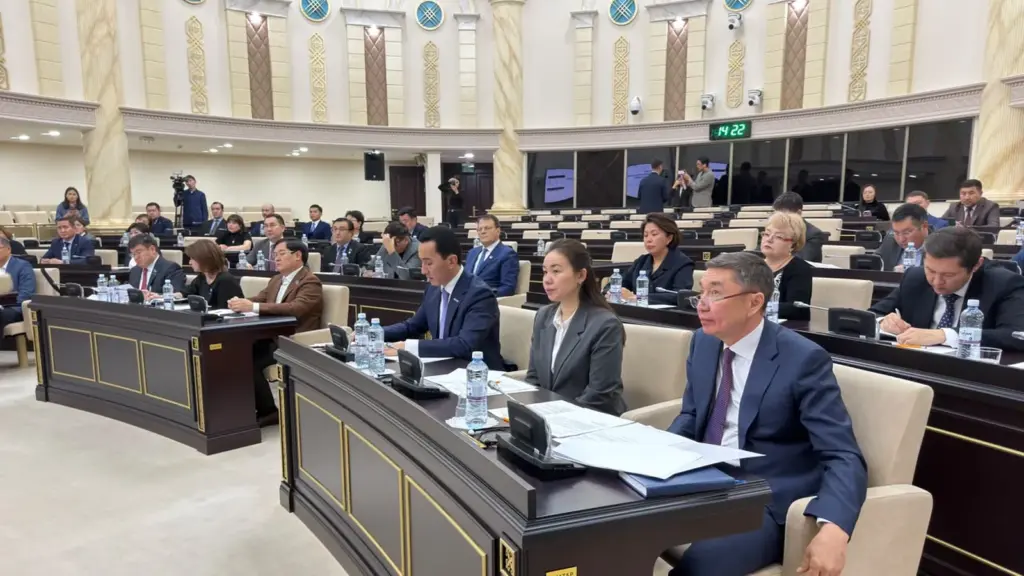
Photo: Дархан Кокебай
A proposed change would allow terms that unfairly restrict consumer rights to be removed from standard contracts while keeping the rest of the agreement in place where possible. Justice Minister Erlan Sarsembayev presented the proposal for the new Civil Code at a working group meeting on 24 November (kursiv.media). For now, it is only a proposal: no specific changes have been approved. The president has ordered the new code to be drafted and adopted by the end of 2027.
What this means for consumers
Many contracts are presented on a take-it-or-leave-it basis. The law calls these contracts of adhesion: one party sets the terms in a standard form, and the other can only accept them in full (kodeksy-kz.com). Eurasian Bank’s standard terms, for example, refer directly to this provision (eubank.kz).
Under Article 389 of the Civil Code, a person who has agreed to such a contract can currently demand its termination. To do so, the contract, while complying with the law, must deprive them of rights normally granted to a party to that type of contract, exclude or limit the other party’s liability for failing to meet its obligations, or contain clearly burdensome terms that the person would not have accepted, acting in their reasonably understood interests, had they been able to help draft them. The Justice Ministry proposes adding another option: removing a term that unfairly restricts consumer rights while keeping the contract in place where possible.
We covered which expenses will be included in the annual percentage rate on loans in our article on the new APR rules. For what happens to customers’ debts when a microfinance organisation loses its licence, see our article on 99 microfinance organisations without licences.
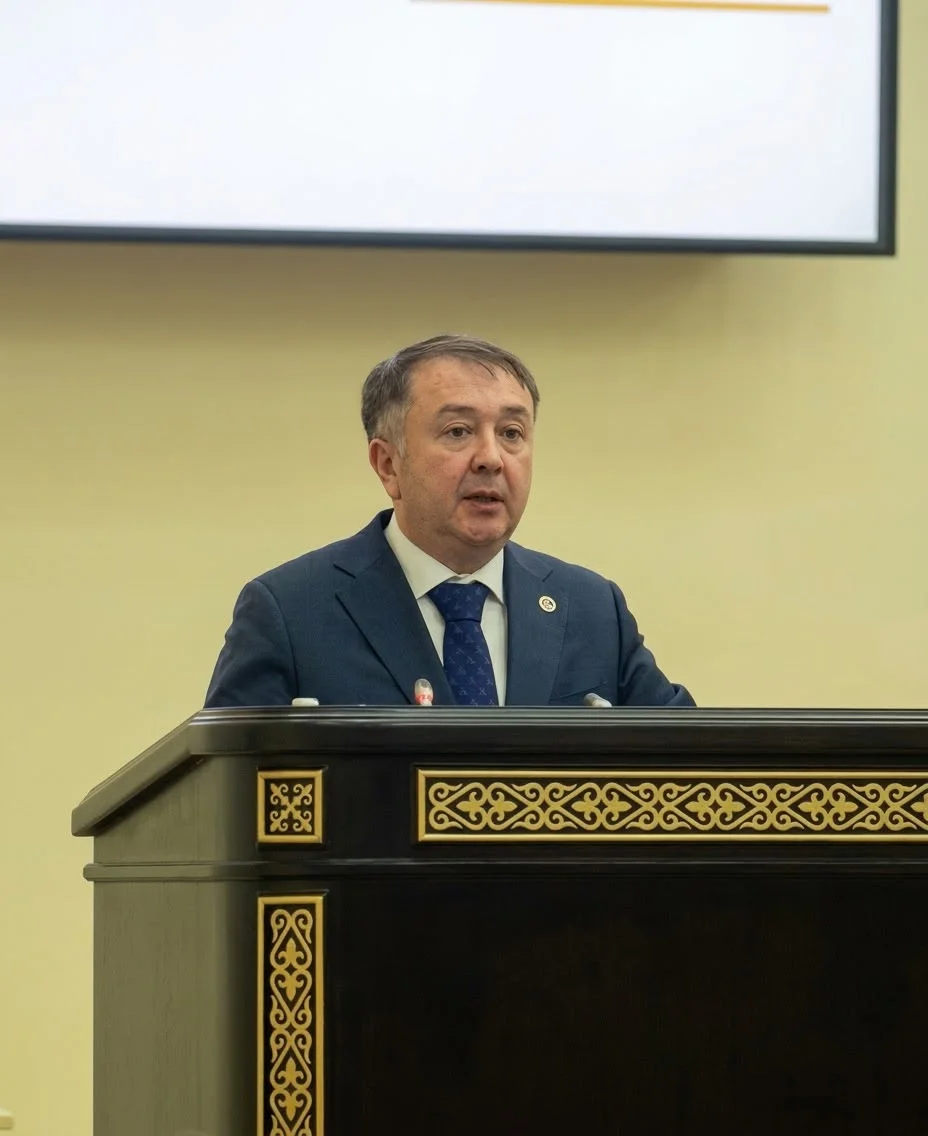
A man speaks from a podium in a hall. · Photo: Дархан Кокебай
Contract terms could be removed while the agreement stays in place
Sarsembayev proposed allowing terms that unfairly restrict consumer rights to be removed from standard contracts. The remaining terms should stay in place where possible.
The minister said contracts between businesses and those with consumers should be treated differently. Parties to transactions should also have more freedom to set the terms of their cooperation, provided they do not violate other people’s rights.
To that end, the ministry wants to review excessive restrictions. It also proposes keeping rules that apply when the parties have not settled an issue themselves.
The minister also said keeping transactions in force should be a general principle. Declaring one invalid, he said, should require sufficient grounds related to protecting rights and the foundations of the legal order.
The law already provides for liability for breaches of contract. As the new code is drafted, the effectiveness of the existing mechanisms will need to be assessed, the Justice Ministry said.
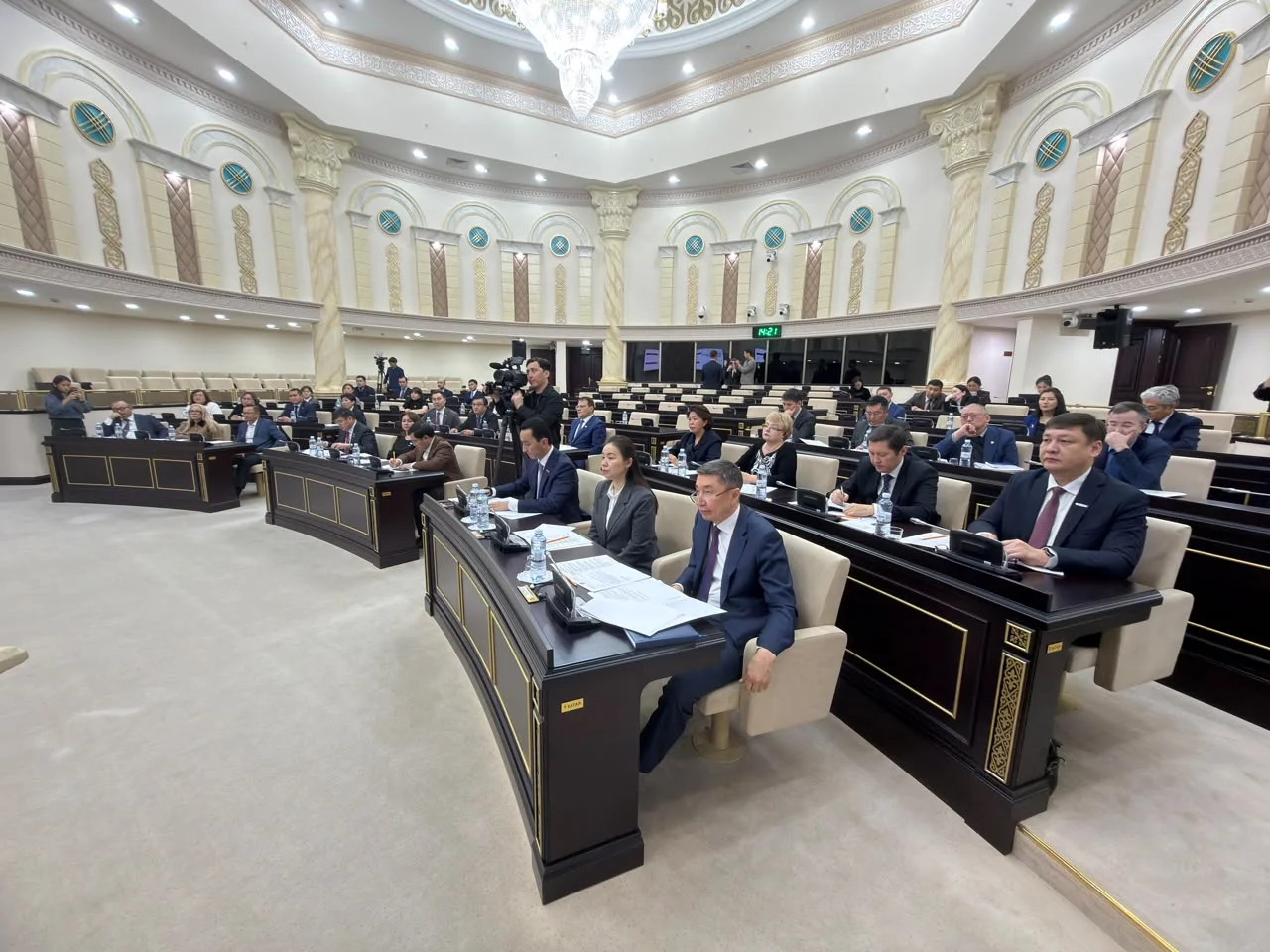
Participants at a meeting in a chamber · Photo: Дархан Кокебай
The code is being drafted with existing contracts in mind
The working group held its first meeting on 24 November 2026, chaired by Nurlan Beknazarov, deputy chair of the Kurultai. The group includes lawmakers, government representatives, academics and experts. Sarsembayev serves as its deputy head.
The group was established to carry out the tasks set out in the president’s address of 28 October 2026. The president has ordered the new code to be drafted and adopted by the end of 2027, the Justice Ministry said.
The general part of the current code was adopted on 27 December 1994, and the special part on 1 July 1999. Sarsembayev said the amendments accumulated over 30 years call for a review of the rules and how they are applied. Provisions that work well and are understood by those involved in civil-law relationships should be retained, he said.
The minister said the transition to the new rules must take existing contracts and previously established rights into account. People and organisations should learn in advance which provisions will affect their arrangements.
The new code is also intended to strengthen protections for property ownership and the lawful use of property belonging to others. Sarsembayev said inheritance rules should be developed with respect for a person’s wishes and their family’s interests.
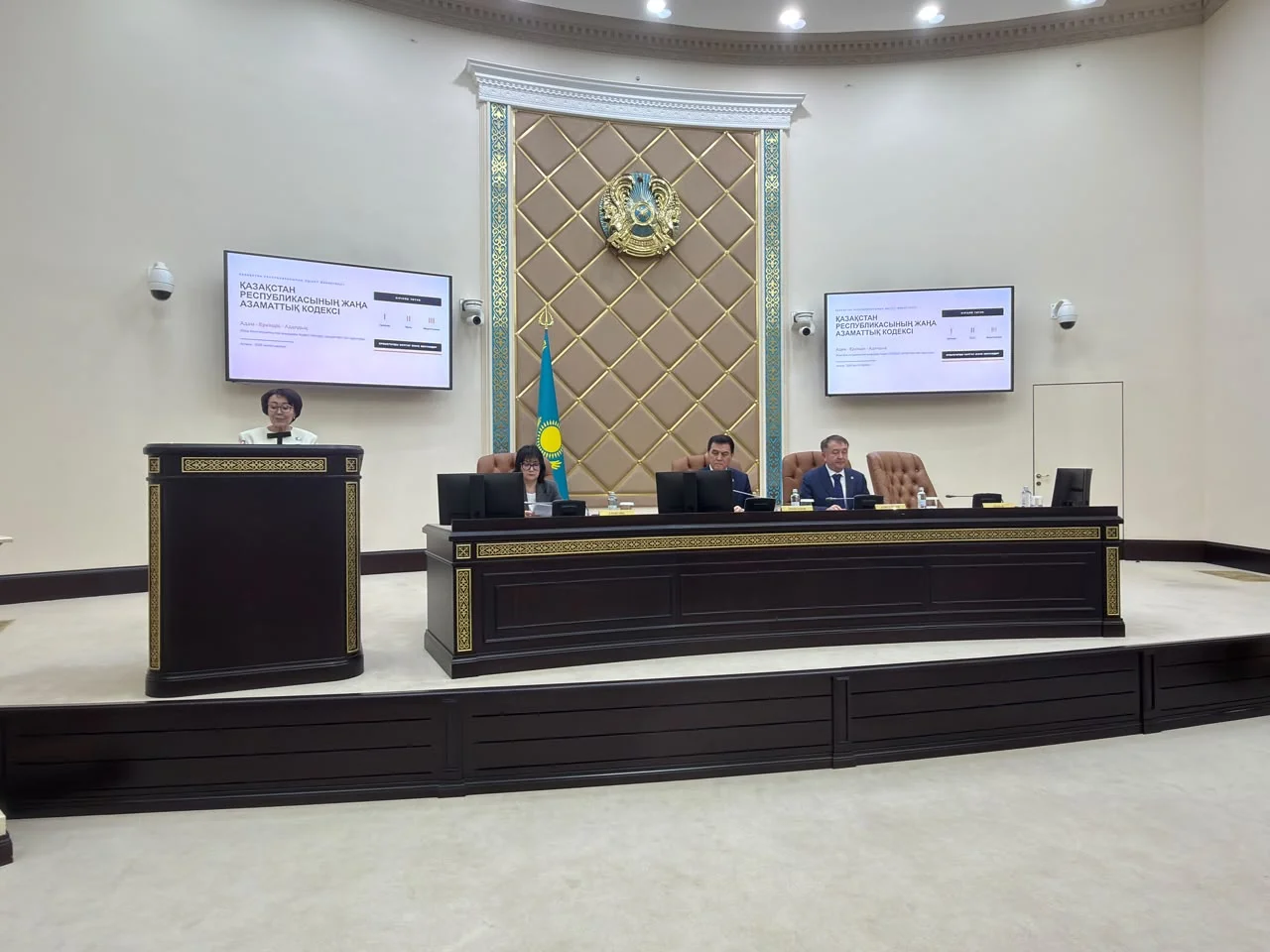
A speaker addresses a meeting in a conference hall. · Photo: Дархан Кокебай
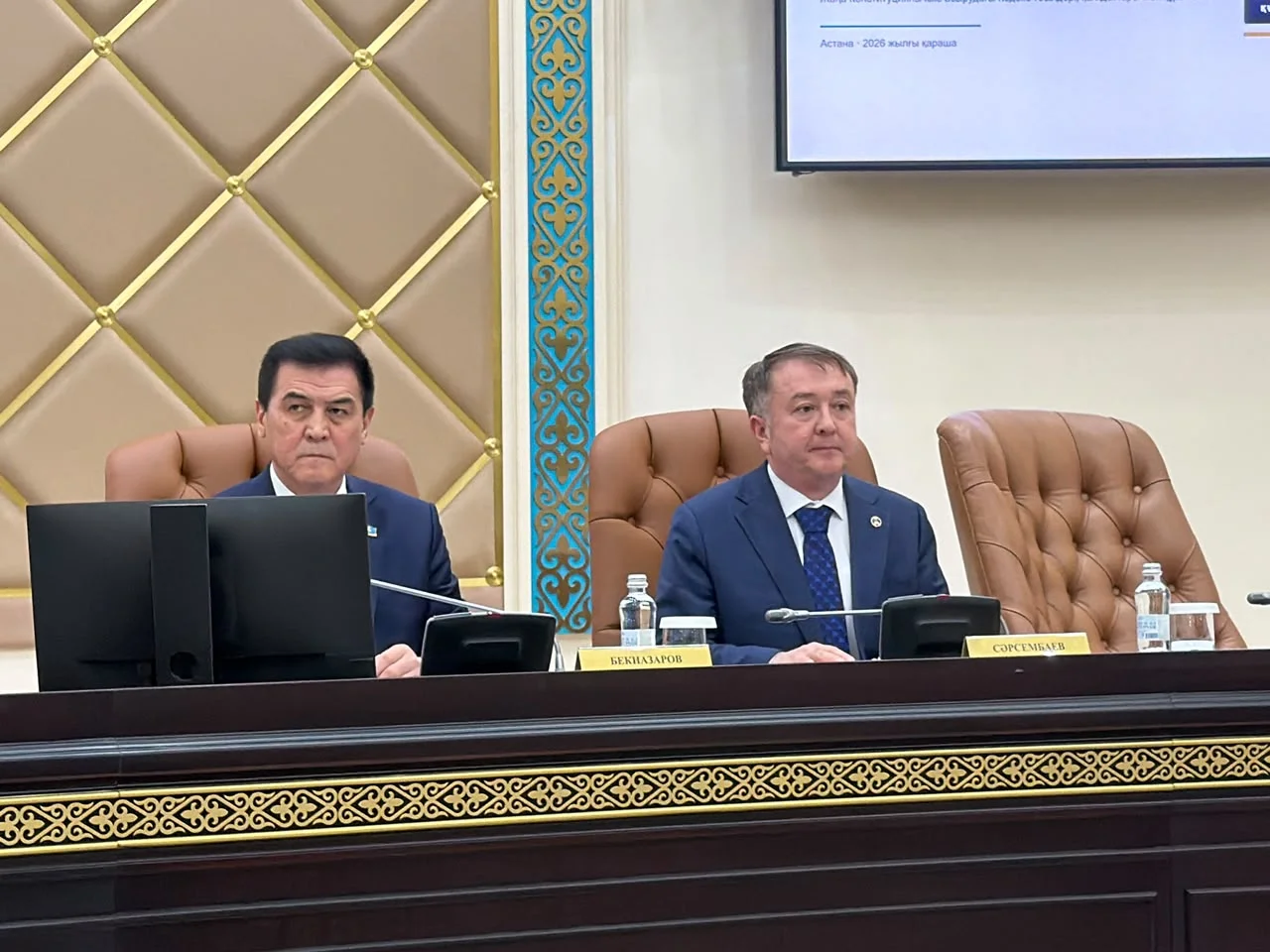
Two men seated at a meeting. · Photo: Дархан Кокебай
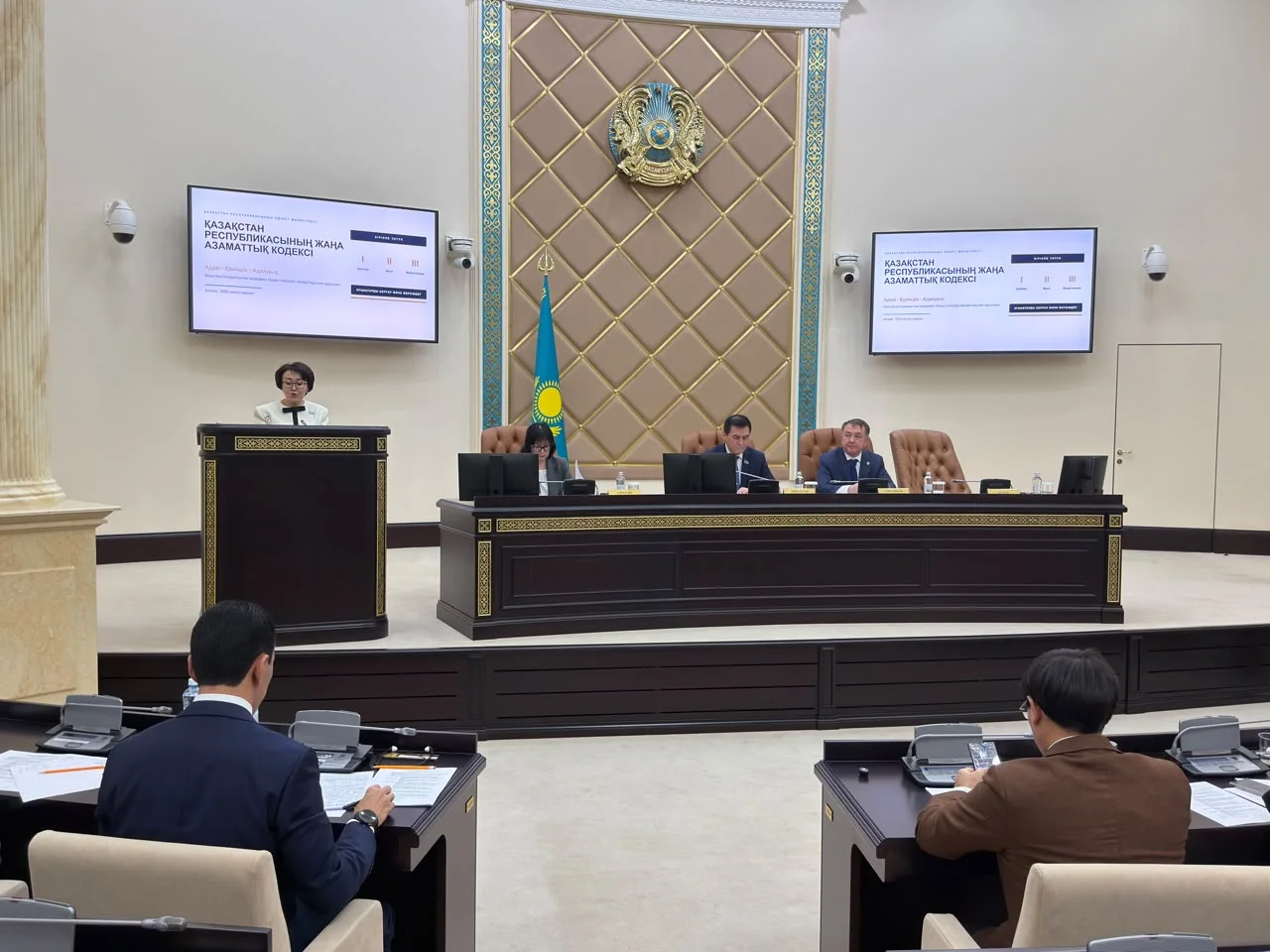
A presentation at a meeting in a conference hall. · Photo: Дархан Кокебай
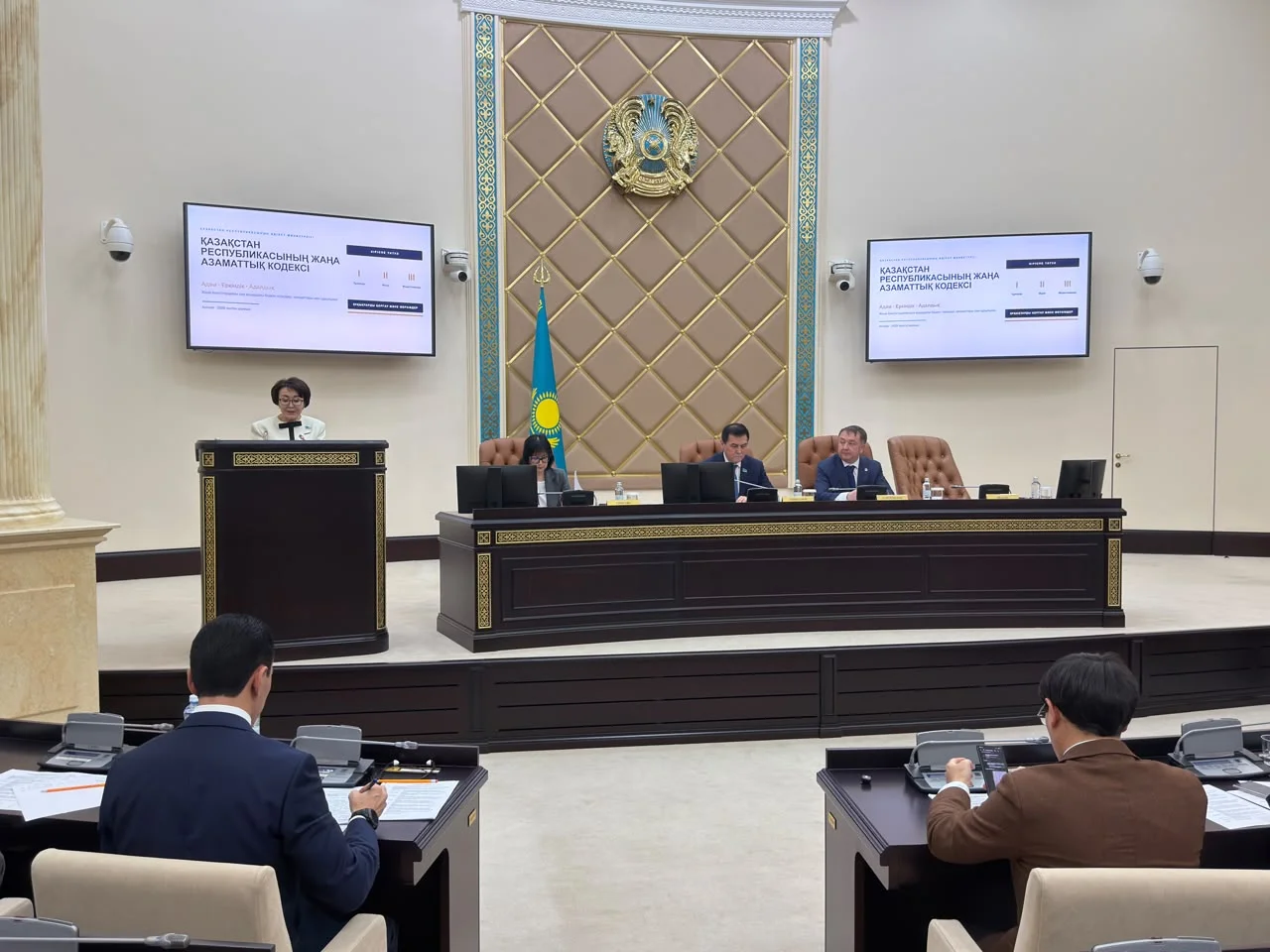
A presentation at a meeting in a conference hall. · Photo: Дархан Кокебай