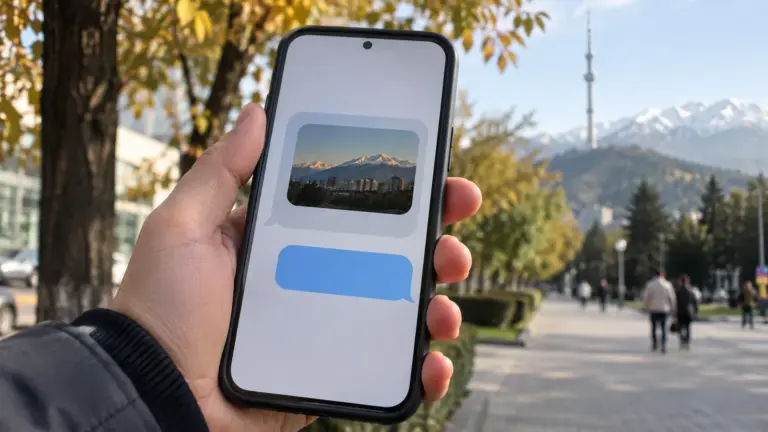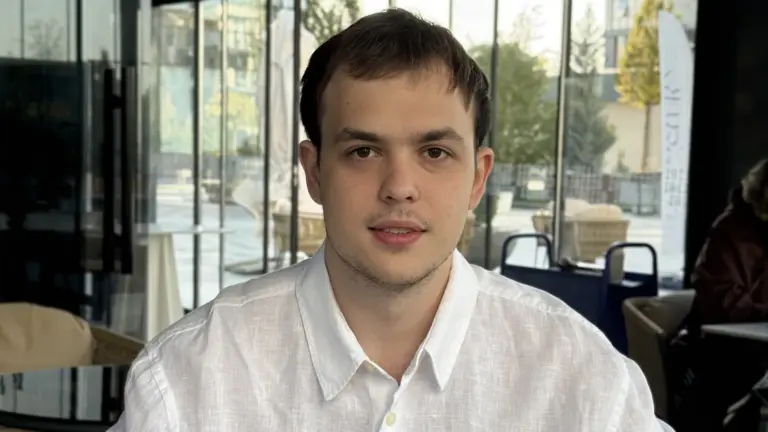

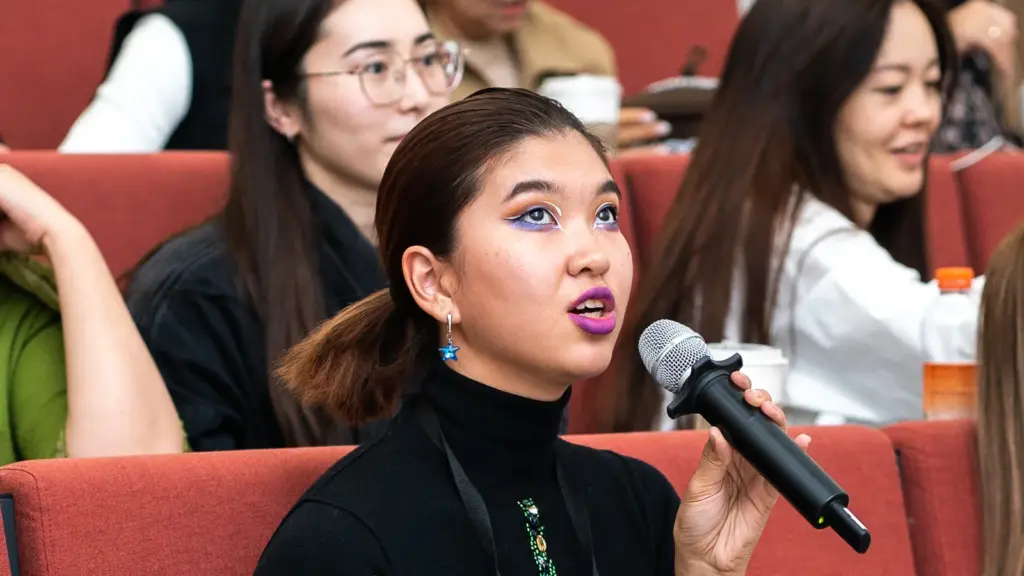
Photo: ArtraPeople
Alina Khozhantayeva created ArtraPeople to help people make professional connections in the arts. According to its founder, the first users began signing up on 10 November 2026 (artrapeople.com). The artist once searched for exhibitions abroad on her own; now she is developing her own platform for finding collaborators. She funds most of the project herself and works without a full team. raem.kz spoke to Alina about her exhibition experience, funding the project and preparing to seek investment.
Alina Khozhantayeva: from artist to startup founder
Alina began painting with almost no professional connections. She sought opportunities to exhibit abroad herself, applying to international competitions and open calls for artists. That experience later helped her define the problem ArtraPeople would address. Other stories in this section cover startup founders from Kazakhstan, including Qalan creator Askar Bolat.
Khozhantayeva says she held a solo exhibition in central Istanbul in 2024. She went on to take part in exhibitions in Greece, Vietnam, Taiwan and the US. At most of the group exhibitions abroad, her work was there, but she was not.
“I started my professional career as a painter with almost no connections in the art industry,” Alina says.
The artist had to find organisers and submit applications herself. But getting her paintings exhibited still left another problem: how to stay in touch with people after a show. This became particularly clear after her trip to Taiwan. raem.kz explored how women artists come together to exhibit in Kazakhstan in its story on TESSERA’s first exhibition in Astana.
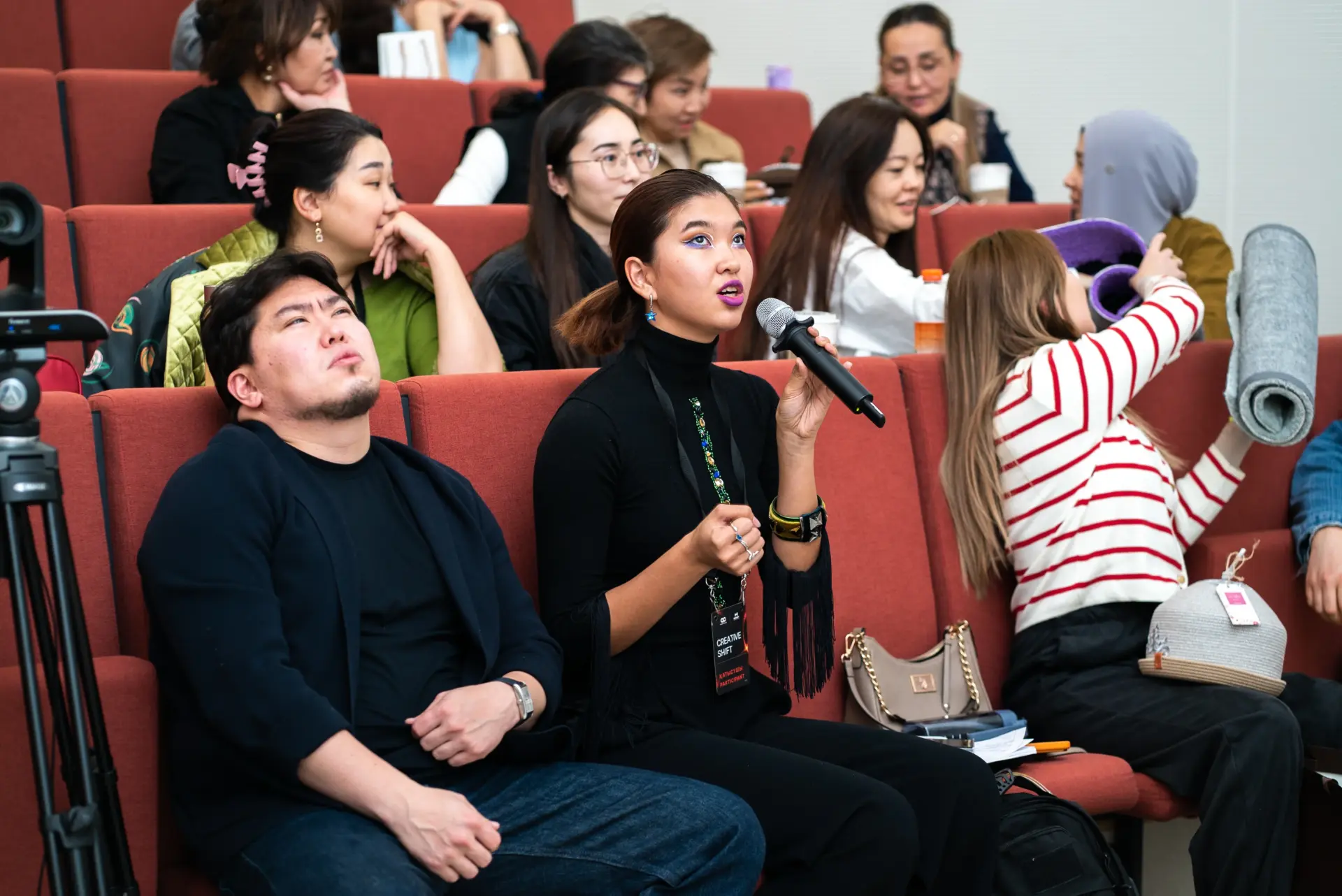
A woman holding a microphone among event attendees. · Photo: ArtraPeople
A trip to Taiwan sparked the idea for ArtraPeople
Alina says she attended Art Revolution Taipei in person in August 2025. There, she met gallery representatives, exchanged contact details and discussed possible collaborations. She expected those professional relationships to continue after the trip.
After the exhibition, staying in touch proved harder than it had seemed during those meetings. The introductions had been made, but conversations at a distance did not turn into lasting collaborations as easily as the artist had hoped.
“My expectations were quite high at the time,” Khozhantayeva recalls.
Alina saw this as a problem others in the art community might face too. In her experience, contacts made at events get lost among new connections. Artists and galleries need a space where they can follow each other’s work and return to conversations about projects.
That was the idea behind ArtraPeople. The platform is intended to help people keep talking after exhibitions. Through it, Alina wants to give users a way to find commissions and partners for joint projects.
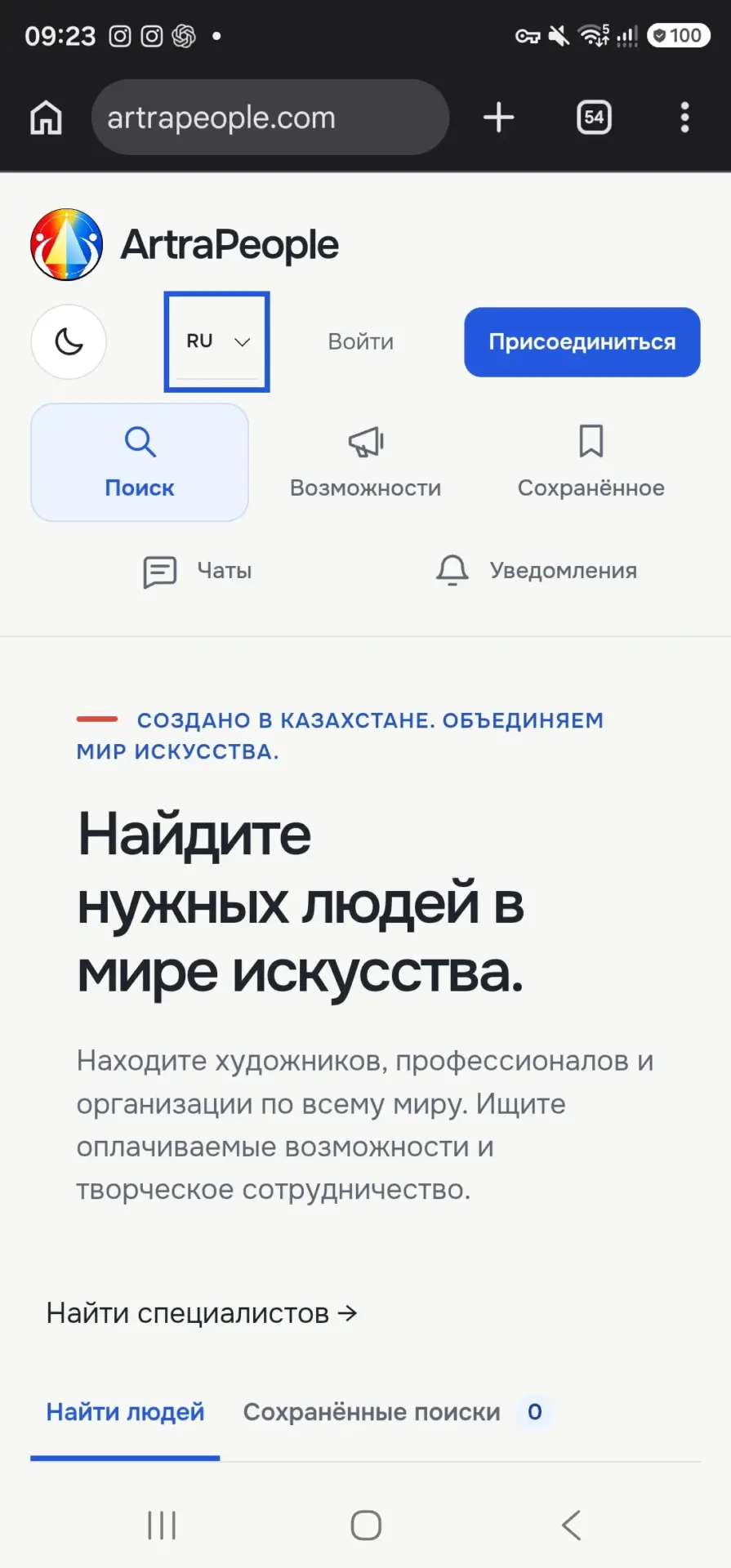
Screenshot of the mobile version of the ArtraPeople website. · Screenshot: ArtraPeople
Profiles let users say exactly what they are looking for
The founder describes ArtraPeople as a platform for creative professionals, including artists. Organisations such as museums can also join. Users create a profile, describe their experience and upload photographs of their work.
Alina wants each profile to show what kind of collaboration the person is interested in. An artist might be looking for a gallery to represent their work or a curator for an exhibition. An interior designer might need someone to create a painting or sculpture for a particular space.
“Opportunities to collaborate also extend beyond exhibitions,” Khozhantayeva explains.
She says users can search for specialists through their professional profiles. They can also communicate and post collaboration offers on the platform. Individuals undergo identity verification, while organisations have a separate procedure.
The founder says these measures are intended to make professional interactions safer. As Alina describes it, the service aims to reduce the time it takes to find the right contacts. Where participants are based should not get in the way of meeting and working together.
Screenshot of the mobile version of the ArtraPeople website. · Screenshot: ArtraPeople
First users and talks abroad
Khozhantayeva says technical refinements to the platform were completed on 10 November 2026. The first users began signing up that same day. According to Alina, they included people from Kazakhstan’s art community, among them members of the Union of Artists.
At the time she answered our questions, the founder was focused on attracting users and gathering feedback. The project was at an early stage: she still needed to build an audience and get people talking professionally.
“The main priority now is to attract the first users, gather feedback and build an active professional community,” Alina says.
She was also discussing possible collaboration with a digital platform based in London. Other preliminary talks were underway with representatives of South Korea’s art community and a professional community in New Jersey, US.
“These are preliminary discussions at this stage, not signed partnership agreements,” Khozhantayeva clarifies.
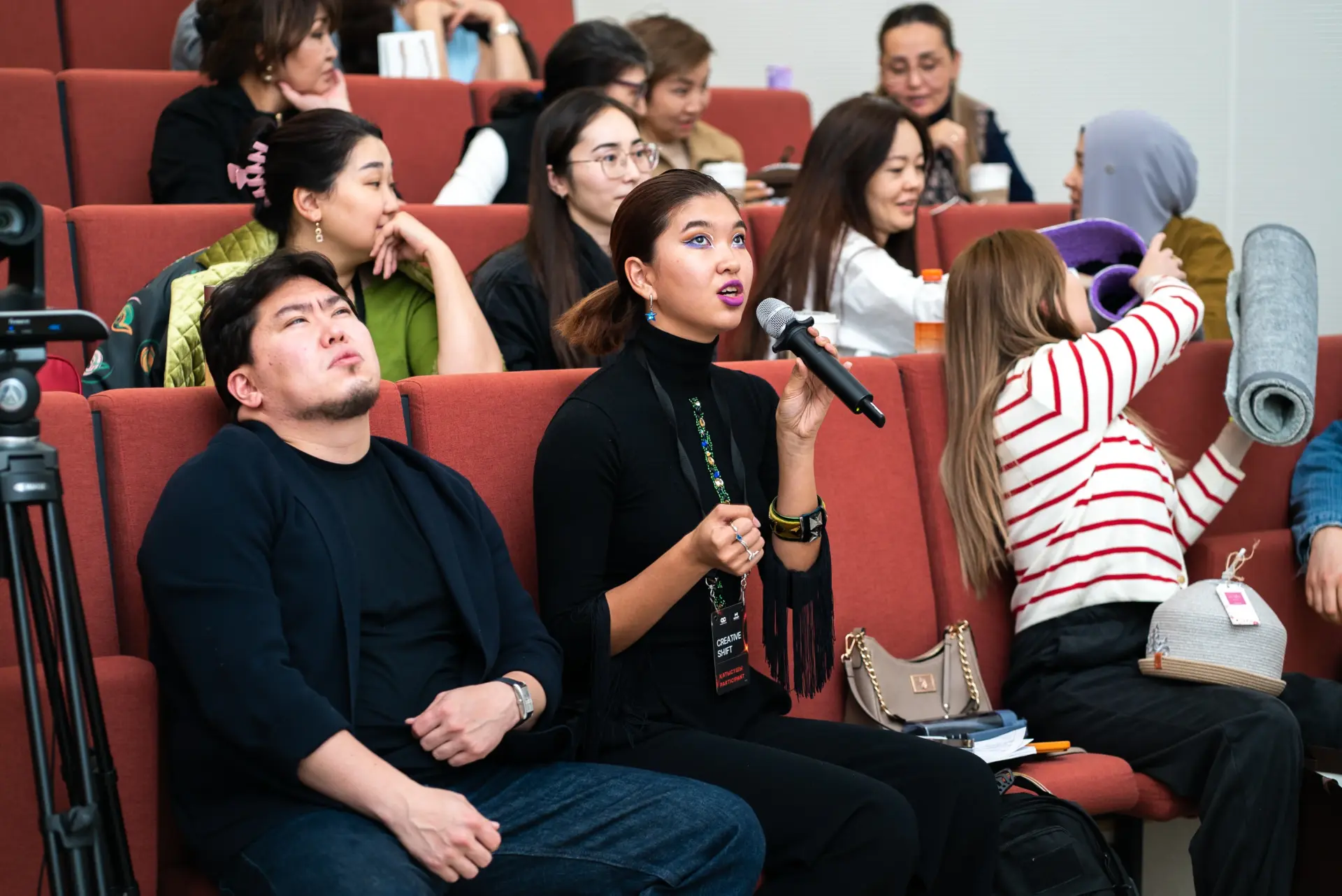
A woman holding a microphone among event attendees. · Photo: ArtraPeople
Funding it herself and working without a full team
Alina says the project was built and continues to grow mainly with her own money. She remains ArtraPeople’s sole founder. She handles the platform’s development and technical support herself, along with promotion and international communications.
Alina describes the hardest part as “taking the plunge” and the lack of a full team as the main constraint. Khozhantayeva understood how many areas she would have to manage alone. Technical troubleshooting also demanded more attention than she had expected.
“I had to learn to use new tools myself, get to grips with completely unfamiliar processes and keep looking for solutions.”
Alina says she has so far promoted the platform internationally without a substantial advertising budget. She looks for potential users through professional contacts and direct conversations. She also uses social media and works with people in art communities abroad.
To develop the project further, Khozhantayeva is considering grant programmes in Kazakhstan and private investment. She needs additional funding for international promotion and platform development. She also wants to use some of it to build a team.
Creative Shift helped her see the project through an investor’s eyes
Through the Creative Shift programme, Alina received advice on developing a technology company and raising funding. She found the lectures and consultations with Jae-yeon Park of South Korea’s The Garrison particularly useful.
Khozhantayeva says she received advice on her pitch deck and financial modelling and reworked her approach to preparing investment materials. Previously, her main focus had been the problem she wanted to solve for the art community. The programme added questions about the market and commercial viability.
“As a result, I substantially reworked my approach to preparing investment materials and planning ArtraPeople’s future development.”
Alina did not reach the Creative Shift final. But she used the advice she received to keep working on the project. She changed how she prepared materials for potential investors and planned the platform’s development.
The next six months: building the community and reaching new markets
Alina says her plans for the next six months focus on developing ArtraPeople’s community and partner network. She wants to hold professional meetups and presentations in Kazakhstan and Central Asia. She is considering working with universities and cultural venues, including galleries.
She hopes these meetings will introduce professionals to the platform and let her hear their feedback directly. She plans to promote it internationally mainly through social media and professional communities abroad.
Alina names the UK and the US as priority markets. Turkey is also on that list. Further ahead, she is considering working with art communities in the UAE and Qatar.
Meanwhile, Khozhantayeva wants to improve the platform’s features for organisations and seek funding. Her main lesson from working on ArtraPeople is to avoid waiting for perfect conditions before starting.
“Sometimes you just need to start and gradually improve the product as you go.”
Startup Radar: ArtraPeople