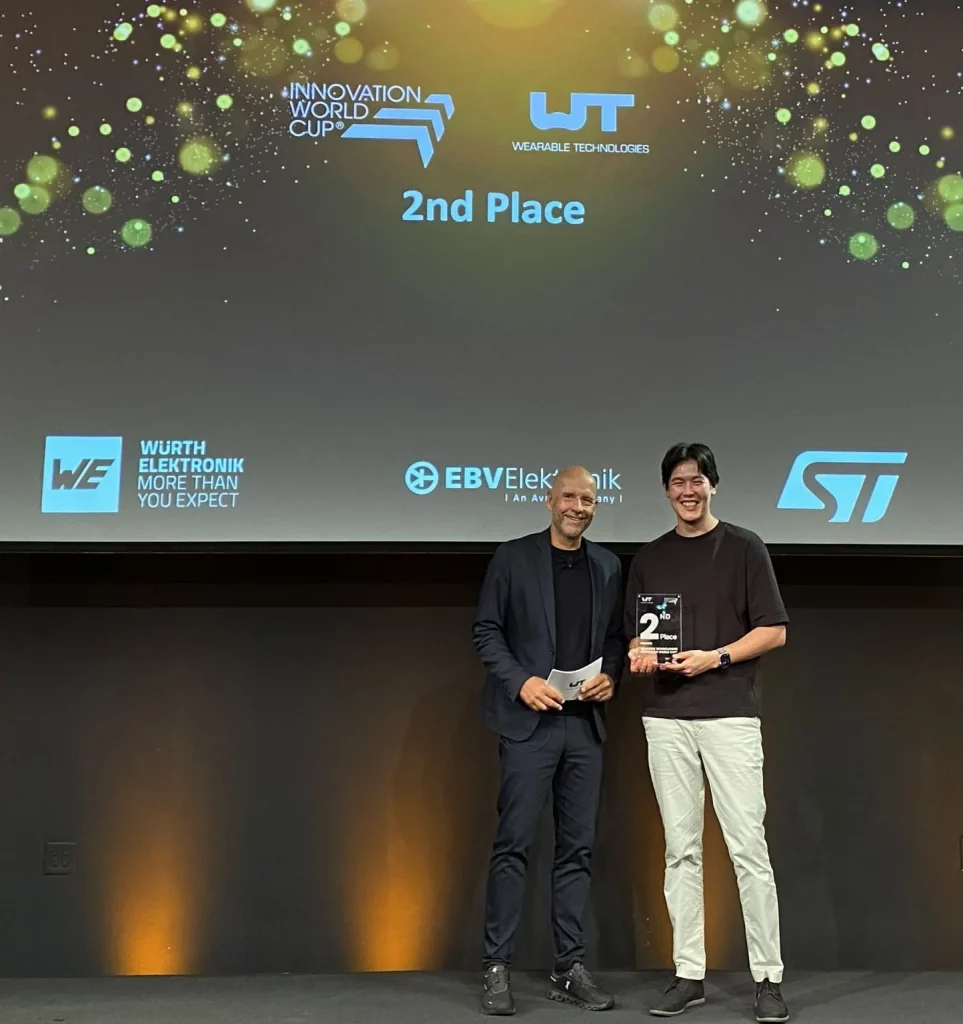
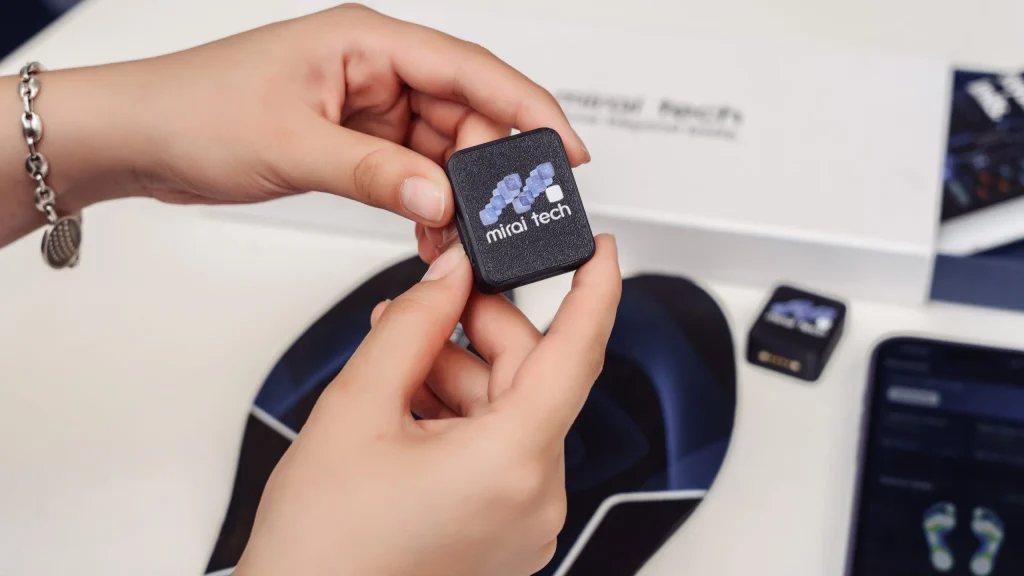
Kazakhstani sports-technology startup Mirai Tech has captured second place at an international technology showcase in Silicon Valley. The company developed “smart insoles” integrated with micro-sensor arrays that collect over 20,000 biomechanical data points within a two-minute athletic sprint, diagnosing gait asymmetries and preventing catastrophic musculoskeletal injuries in professional sports.
In elite professional football, basketball, and track athletics, a single severe injury (such as an ACL tear or stress fracture) can sideline an athlete for an entire season, costing sports clubs millions of dollars in medical rehabilitation and contract losses.
From Laboratory Material Science to the Stadium Turf
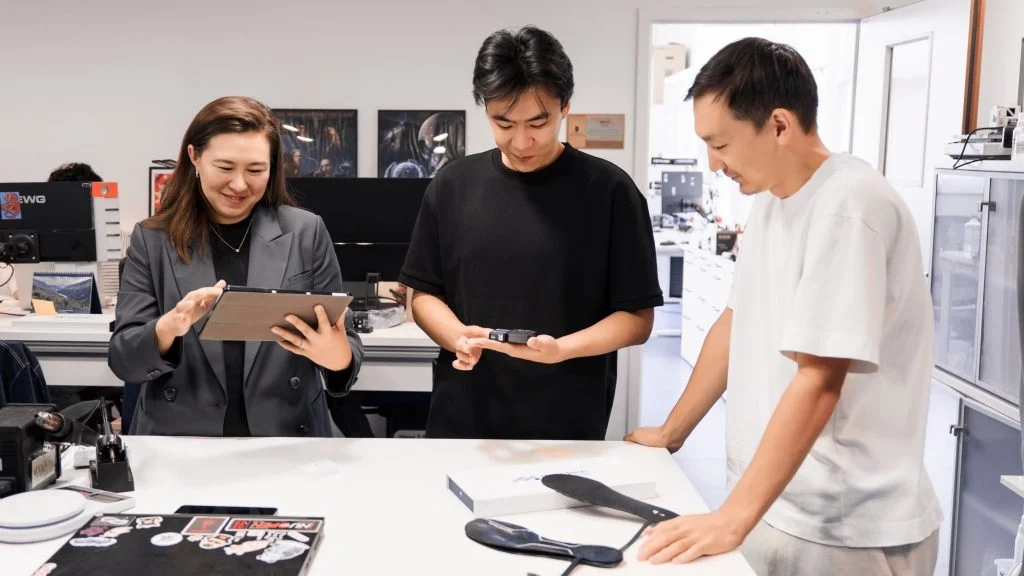
Founded by engineers and material scientists from Nazarbayev University, Mirai Tech originated from research into piezoelectric and piezoresistive flexible nanomaterials capable of generating precise electrical signals under mechanical pressure.
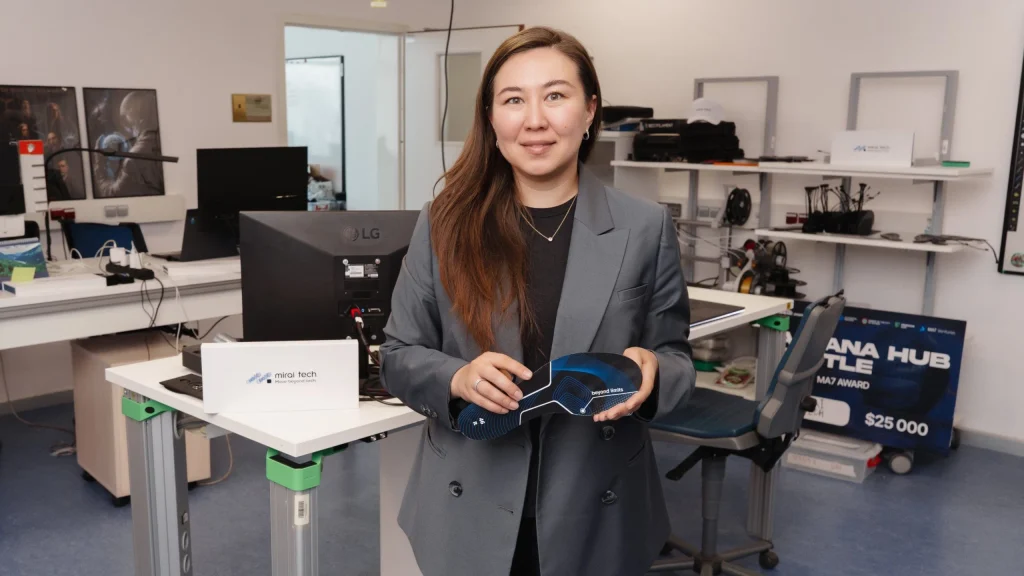
Traditional biomechanical gait analysis requires athletes to visit specialized sports medicine laboratories with stationary pressure plates and high-speed motion capture cameras. Mirai Tech embedded microscopic sensor arrays directly into thin, durable athletic insoles, allowing coaches to measure real-time pressure distribution during live competitive matches on natural grass and turf.
Silicon Valley Triumph: Silicon Valley Representation
The startup was represented at the Silicon Valley sports-tech competition by engineers with prior tenures at Meta and Apple. Pitching against hardware competitors from across North America, Europe, and Asia, Mirai Tech secured second place, lauded for its manufacturing durability, thin sensor profile, and sub-millisecond data transmission over low-energy Bluetooth protocols.

Commercial Expansion and Clinical Orthopedics
Beyond professional football clubs in Kazakhstan and Central Asia, Mirai Tech is expanding into clinical orthopedic medicine, diabetic neuropathy monitoring (where early detection of abnormal foot pressure prevents tissue ulceration), and military footwear ergonomics, proving the versatile market appeal of Kazakhstani wearable hardware.