
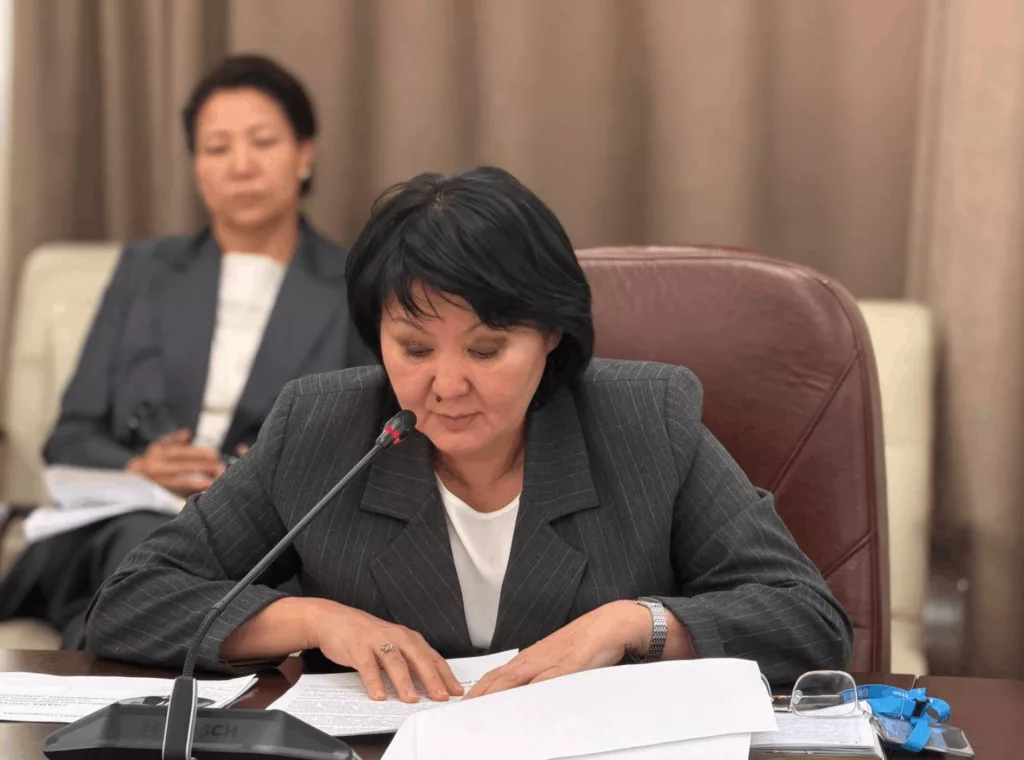
The Ministry of Healthcare of the Republic of Kazakhstan has formulated legislative proposals to restrict the advertising of fast food, sugar-sweetened beverages, and ultra-processed food items containing elevated levels of sodium, refined sugar, and saturated fats when targeted at underage audiences. The initiative was unveiled during an executive ministry briefing by Gulnar Sarsembayeva, Director of the Department for Healthcare Organization.
According to the ministry’s roadmap, the restrictions will govern advertisements across television networks, radio broadcasting, digital social media platforms, influencer endorsements, and outdoor physical advertising hoardings. The department is currently conducting a formal Regulatory Impact Assessment (RIA)—a statutory prerequisite prior to submitting statutory amendments to Parliament.
The legislative initiative responds directly to presidential directives mandating the Cabinet of Ministers to curb the pervasive marketing of unhealthy foods. Official findings emphasize that unchecked aggressive marketing instills durable dietary dysfunctions among youth, exacerbates chronic fiscal burdens on the national healthcare system, and diminishes long-term national workforce productivity.
Children and adolescents demonstrate heightened psychological susceptibility to commercial marketing: colorful packaging, animated gamification, and promotional campaigns featuring celebrity youth influencers disproportionately drive behavioral consumption. Ministry epidemiological statistics reveal alarming baselines: 23% of Kazakhstani children aged 6 to 9 are overweight, 6% suffer from diagnosed clinical obesity, and 17.5% of teenagers regularly consume commercial energy drinks on a weekly basis.
The regulatory guidelines were developed incorporating evidence-based World Health Organization (WHO) frameworks and international regulatory benchmarks from jurisdictions with stringent marketing controls.
Several dietary safeguards are already codified in Kazakhstani law. The commercial sale of caffeinated energy drinks is prohibited to individuals under 21 years of age. Since September 2025, a modernized Dietary Standard has governed educational institutions, strictly capping sodium and added sugars while mandating expanded servings of fresh vegetables, fruits, and dairy produce. Regional administrative bodies are instructed to intensify preventative nutritional literacy initiatives with parents and pediatric educators.
Ministry officials emphasize that the proposed legislation focuses strictly on commercial promotional tactics targeting youth, rather than blanket prohibitions on the retail availability of specific food categories.
Source: Press Service of the Ministry of Healthcare of the Republic of Kazakhstan