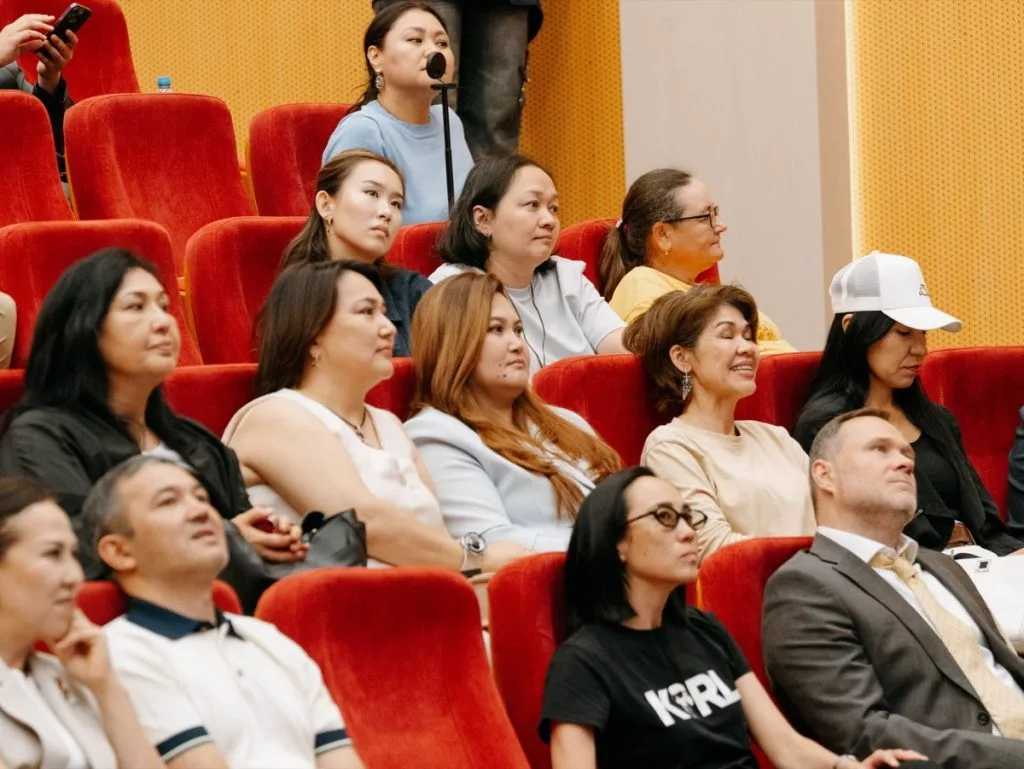
The annual sports marketing and communications conference “Building a Strong Sports Brand: Communications, Media, and Education,” organized by the PR Room media community, convened at the Kazakh National University of Sports in Astana. The agenda examined a critical systemic reality: athletic victories, championship trophies, and national records do not generate audience reach or commercial revenue on their own. Between athletic performance and financial monetization sits an essential media infrastructure layer.
The Media Layer: Converting Athletic Glory into Enterprise Cash Flow
Speakers spanning national broadcasters, paralympic federations, corporate youth leagues, PR agencies, and regional futsal clubs converged on a single structural truth: without packaging, live commentary, journalistic narrative, and sponsor integration, sports achievements remain economically invisible.
Key Industry Breakdowns from Conference Keynotes
1. Commentator Economics: 15,000–30,000 KZT per Broadcast Hour
Veteran Qazsport broadcaster Asem Nurlanova revealed the domestic market’s baseline compensation: commentators earn 15,000 to 30,000 tenge per live broadcast hour, paid strictly by the network or production entity rather than sporting federations. For our comprehensive analysis of broadcast rates and unbillable prep time, explore our guide on how much sports commentators earn in Kazakhstan.
2. Federation Sponsorship vs Advertising Law Friction
Ellina Baideldinova of the Kazakhstan Para-Swimming Federation highlighted a persistent commercial dilemma: corporate sponsors fund grassroots athletic programs, yet television channels and digital media frequently reject sponsor logo mentions as unauthorized commercial advertising. In Kazakhstan’s Advertising Law, the concept of “sponsorship mention” remains legally distinct from commercial promotional campaigns, forcing federations to fund secondary PR distributions just to satisfy sponsor contractual visibility.
3. Corporate Youth League Scaling: Freedom QJ League
The Freedom QJ League demonstrated how professional media production transforms youth athletics into a commercial asset. Deploying 357 million tenge in seasonal logistics and high-definition multi-camera streaming, the league accumulated over 190 million digital views and packed municipal stadiums in Taraz and Astana.
4. Club Economics: Futsal Club Semey’s 2B Tenge Investment
Arsen Bulekov, Chief Revenue Officer of Futsal Club Semey, presented the commercial strategy that turned a regional club into a packed municipal phenomenon. Backed by 2 billion tenge in private investment, the club broke league records with 4,620 live spectators in its June finals series—2.5 times the league average—by treating matchday as premium family entertainment.
Core Commercial Lessons for Sports Executives
- Athletic performance is necessary but insufficient: A gold medal without storytelling attracts zero brand sponsorships.
- Regular seasonal calendars beat one-off news: Recurring matches establish a predictable marketing horizon for commercial partners.
- Sponsors demand verified commercial conversion: Digital reach is an estimated vanity metric; ticket sales, physical attendance, and customer acquisition are verifiable assets.
- Tapping existing municipal pride is cheaper than building artificial hype: Semey capitalized on deep regional football identity rather than manufactured PR campaigns.