Cover of the film Romance with a Museum Exhibit · Illustration: Arailym Zhakupova
Arailym Zhakupova manages IT projects, and “Romance with a Museum Exhibit” is her animation debut. The trilogy of animated short films explores love, becoming independent and loneliness. At Creative Shift, Arailym presented the first instalment and earned the highest score in her cohort. She is now seeking funding and putting a team together.
What the film is about
The first instalment follows a young woman named Sara, who falls in love with a robot exhibit, a replica of a singer in a museum of technological figures. Her love awakens a sense of humanity in the robot, Mark, but he only recognises his feelings once Sara has learned to live without him.
The trilogy explores different forms of love and how to let go without diminishing what those feelings meant. Loneliness is another theme.
“People are increasingly turning to artificial intelligence for closeness, sharing their most private thoughts with it as though it were a living person. But the truth is, it cannot replace human connection,” Arailym says.
According to Arailym, the story is aimed at viewers aged 16–35: a time when people are discovering who they are, experiencing their first serious relationships and learning to become independent of their parents. She hopes the story will help people avoid getting stuck in relationships where their feelings are not returned and choose themselves while still valuing the love they experienced.
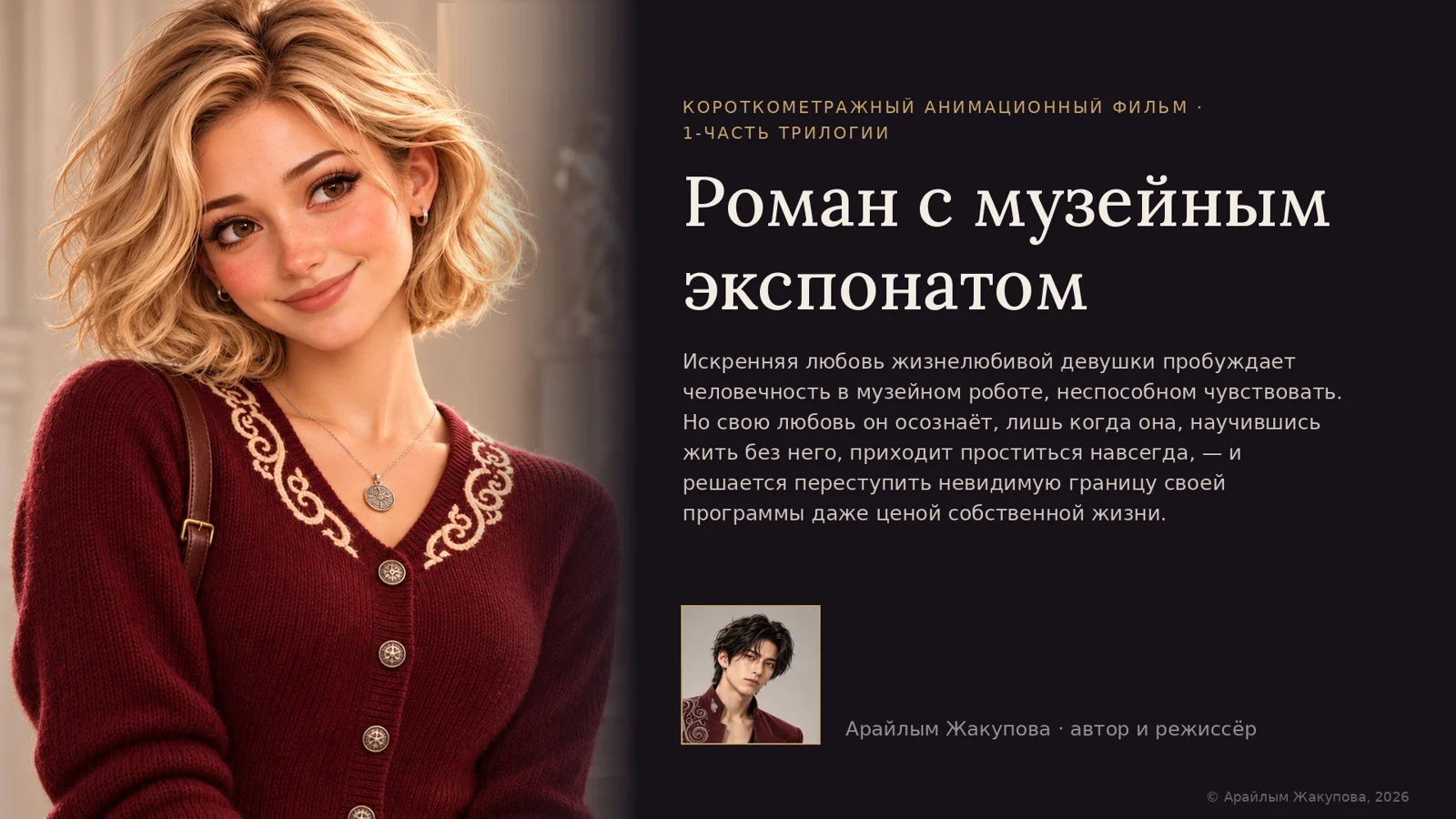
Cover of the first part of the trilogy · Illustration: Arailym Zhakupova
The three parts of the trilogy
According to Arailym, each instalment focuses on a different form of love:
- part 1, “Awaken”, explores romantic, sometimes destructive love in which one person depends on another. Sara’s love awakens Mark, while Sara herself learns to let go of the hope that he will love her back and builds a happy life of her own;
- part 2, “Find Yourself”, follows the newly awakened Mark as he learns to love himself as he is, goes through rebellion and searches for his identity, while his creator learns to let go of his creation;
- part 3, “Become a Source of Support”, explores how parents and children become independent of one another: Mark helps Sara’s teenage daughter navigate this process safely, while Sara learns to give her daughter freedom.
Mark the robot is a metaphor for a person constrained by their own mental boundaries, fears and beliefs. “His awakening is therefore a story about someone finding the courage to move beyond their own limits,” the creator explains.
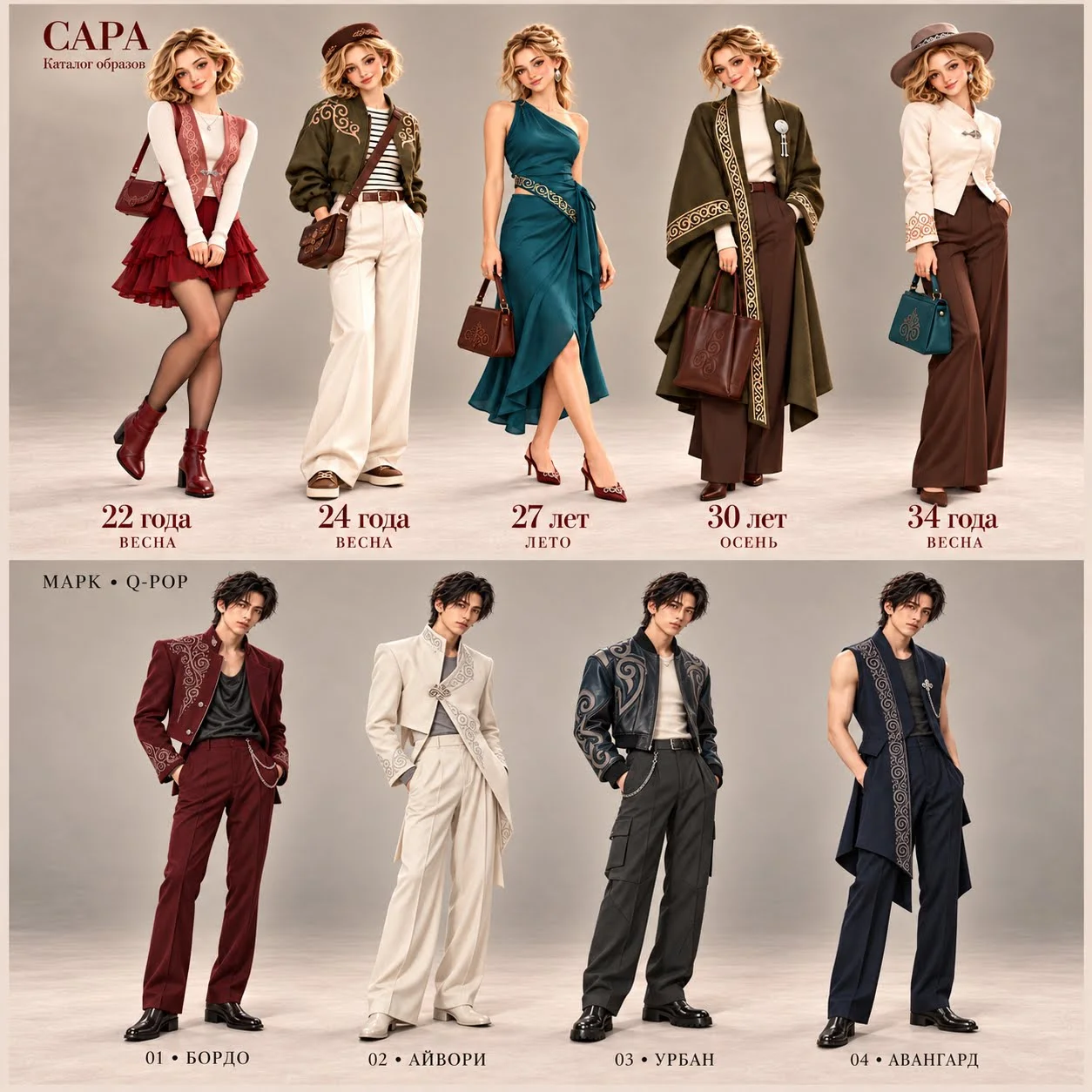
Main characters: Sara and the robot Mark · Illustration: Arailym Zhakupova

Sara with her family, concept art · Illustration: Arailym Zhakupova
Where the idea came from
The idea grew out of personal experience. At one point, Arailym felt as though she were with a robot: “The person is there beside you and talks about feelings, but cannot actually experience them.”
The form the story took was inspired by a wax museum in Bangkok. A photo with one of the figures created the illusion of mutual affection, and that analogy became the basis of the story.
Arailym says she wrote the script for the first instalment in just two days back in 2022. At the time, no one knew about her passion for writing stories.

Arailym Zhakupova · Photo: Arailym Zhakupova’s personal archive
What is ready so far
According to Arailym, she has completed the script for the first instalment and its prose source material, a logline and synopsis, an outline of the entire trilogy, character designs, location concepts and a colour palette, a 42-frame storyboard for the first meeting scene, and a budget. The characters have striking designs featuring Kazakh ornamentation, and the story has its own symbol: a pendant.
The novel’s first readers have already sent their feedback.
“Every reader saw themselves in the characters, and the story even brought some of them to tears,” Arailym says.
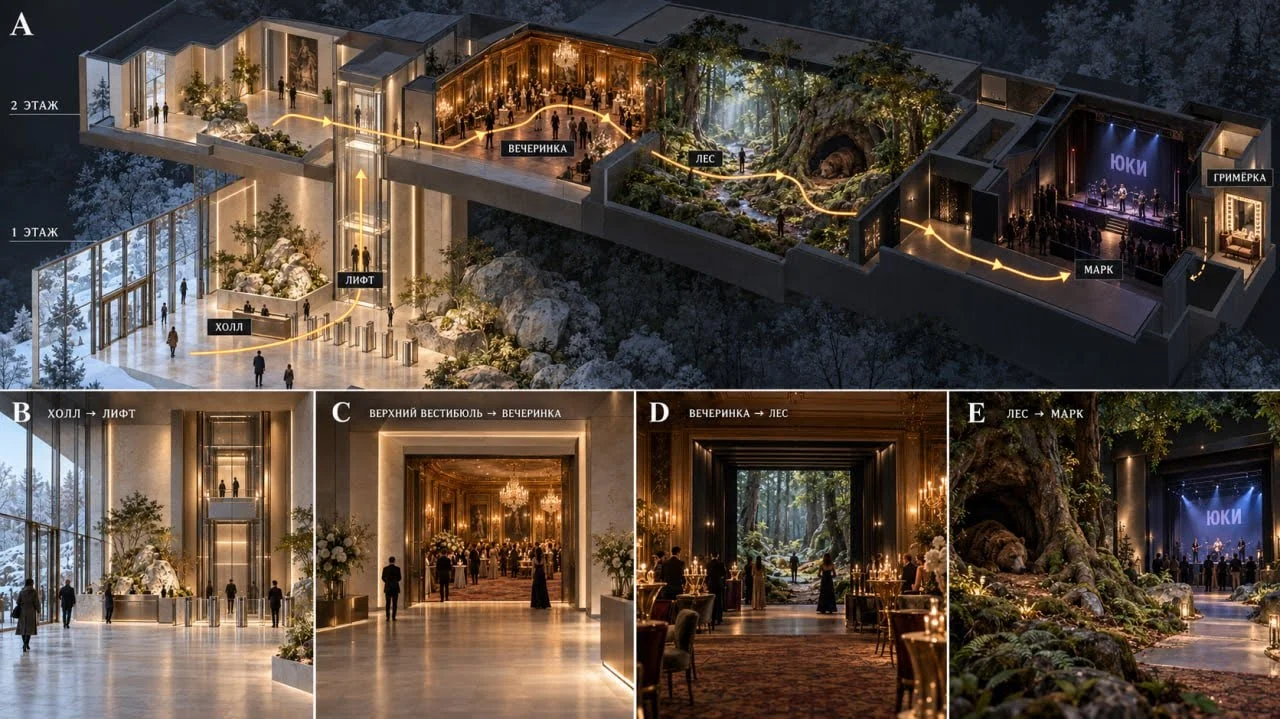
Layout of the museum of tech figures, location concept · Illustration: Arailym Zhakupova
From IT to animation
The hardest thing at first, she says, was admitting to herself that she had a creative side, and then telling people about her stories. Next, with no filmmaking experience, she had to work out how to bring a story to an audience, write a logline and synopsis, draw a storyboard and calculate what a film actually costs. Her initial estimates were either too optimistic or too high.
“My experience as a project manager helped: I broke the project down into stages,” Arailym says.
She also benefited from mentors who gave her honest feedback on weak spots, and from Aday Kunanbayuly’s lectures, which she says helped her see a path forward.
Arailym gives particular credit to Edmond Yang and Aksultan Kali. Edmond Yang inspired her and showed her that AI could be used to create films with depth and a human filmmaker’s distinctive voice, in the best traditions of her favourite animation studios: Disney, Pixar and Ghibli. Aksultan Kali helped her see the product through the audience’s eyes: identify its value and build that value into the product itself.
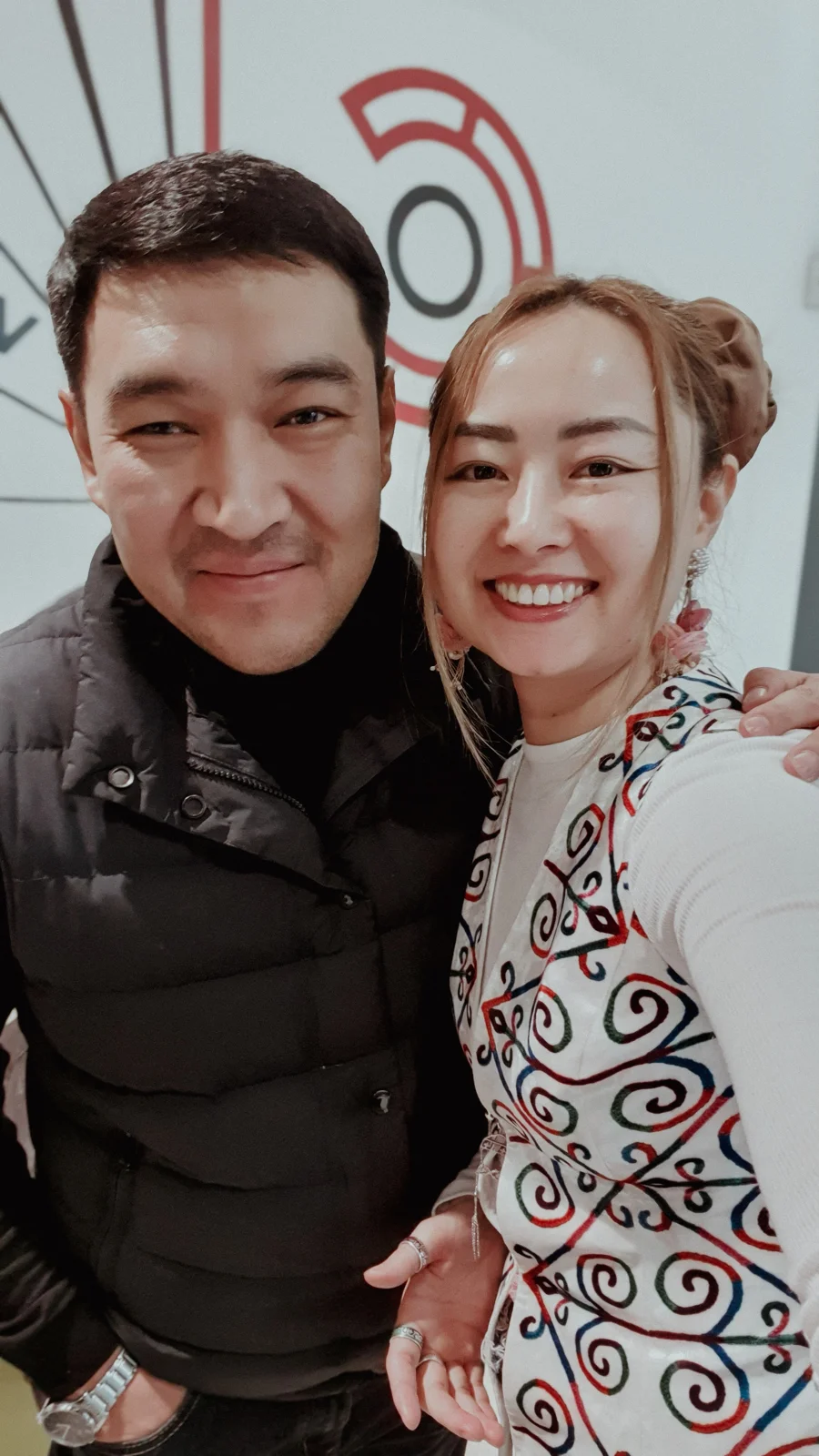
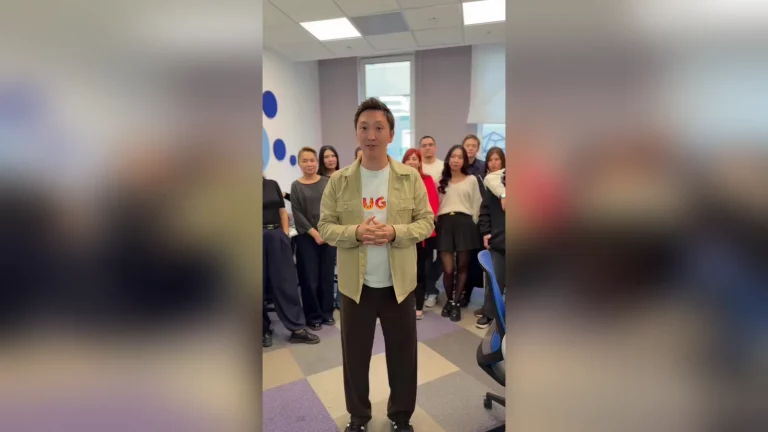
Arailym Zhakupova and Adai Kunanbaiuly · Photo: Arailym Zhakupova’s personal archive
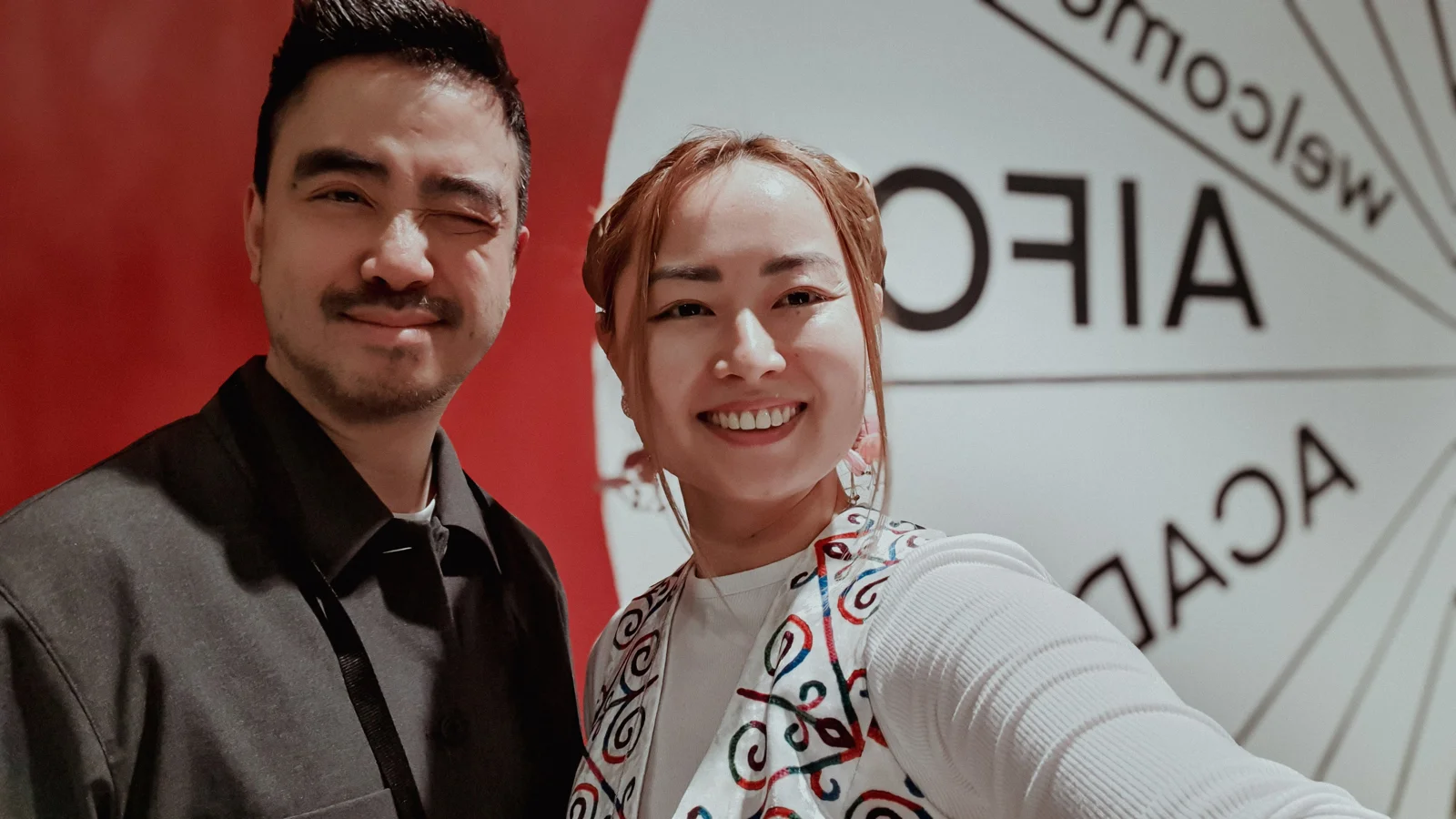
Arailym Zhakupova and Edmond Yang · Photo: Arailym Zhakupova’s personal archive
What Creative Shift gave her
“Creative Shift unexpectedly became an important turning point in my life. I ended up here by chance and found so much that mattered to me. That is priceless,” Arailym says.
“The programme gave me an accepting community that felt right for me: my people, you could say,” she adds. During the bootcamp, the project grew from an idea into a presentation, a budget and a storyboard.
The mentors’ main advice was to build an audience first, then move into full-scale production. Once funding is secured, production will begin, and Arailym will use the earliest material to build an audience on the project’s social media accounts: the first scenes, behind-the-scenes content and, possibly, microdramas.
She hopes the mentorship programme in Astana will help her develop a business model, build a strong team, connect with partners, prepare to pitch to investors and secure funding.
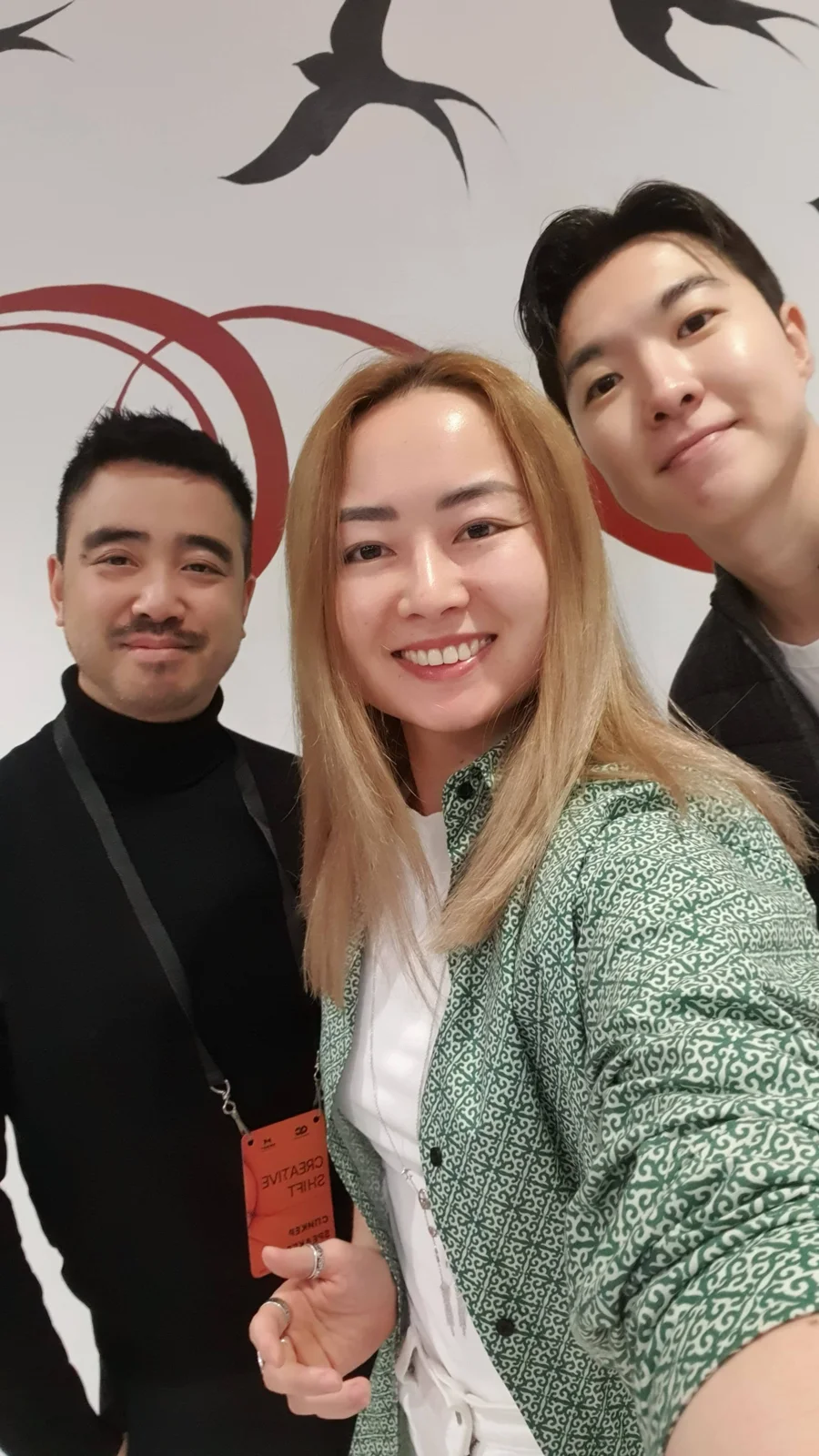
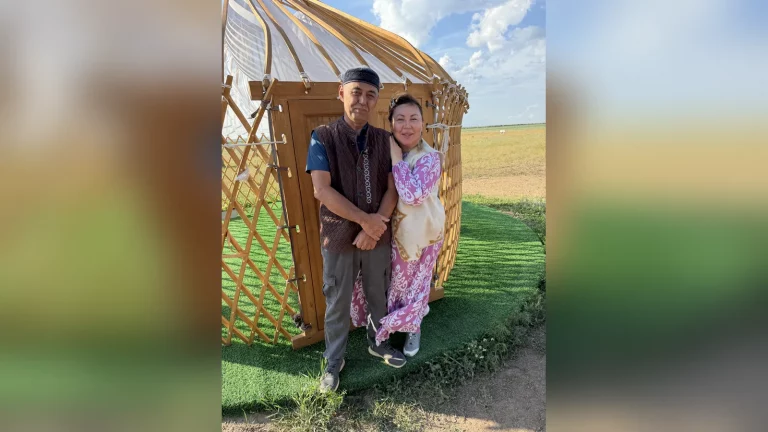
Edmond Yang, Arailym Zhakupova and Jaeyeong at Creative Shift · Photo: Arailym Zhakupova’s personal archive
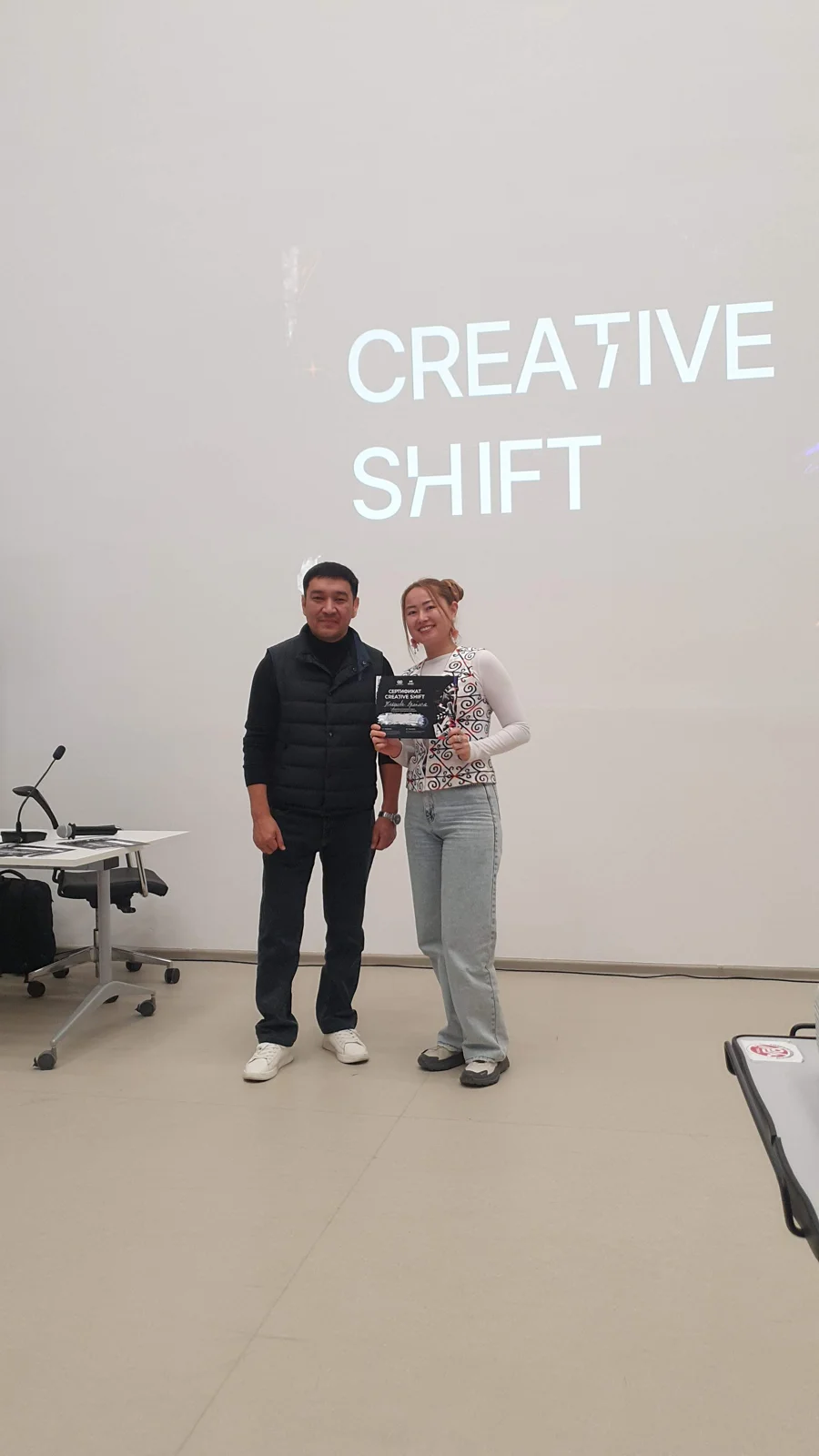
Arailym Zhakupova with her Creative Shift certificate · Photo: Arailym Zhakupova’s personal archive
What the project needs
“The project’s future and how quickly it moves forward depend largely on funding,” Arailym says.
According to Arailym, the budget will also determine the format: production using AI or traditional 2D/3D animation, which is considerably more expensive. With AI, the entire project is expected to take around 18 months, covering pre-production, production and post-production. The most intensive stage, production, will take anywhere from three to six or seven months, depending on the skill and number of AI developers, with their number determined by funding. After the premiere, promotion will take about another year.
For now, Arailym is the project’s creator, screenwriter, director and producer. The project needs:
- funding for the first instalment, ideally for the entire trilogy;
- a team: an experienced producer, artists, voice actors and a marketing specialist;
- merchandise partners: clothing designers, jewellers and leatherworkers;
- platforms: streaming services and apps for short-form series.
Arailym envisions Miras Zhuginisov’s new song “Jai Gana” as the main track for the first instalment: she says its lyrics seem to capture the film’s story exactly.
The film will first appear on the project’s social media accounts, then at festivals and on online platforms.
Advice for anyone launching a creative project
Do not wait for the perfect moment or be afraid of lacking experience, Arailym advises: “Experience in another field can be an advantage: managing IT projects helps me run a creative project.” Her other advice is to find your community, people who help you flourish, and share your idea as early as possible: feedback saves months.
Arailym’s Instagram: @araika_z.
This article is part of the “Stories of Creative Shift Participants” series. Disclosure: raem.kz editor-in-chief Raimbek Iskendirov is also a participant in the programme.