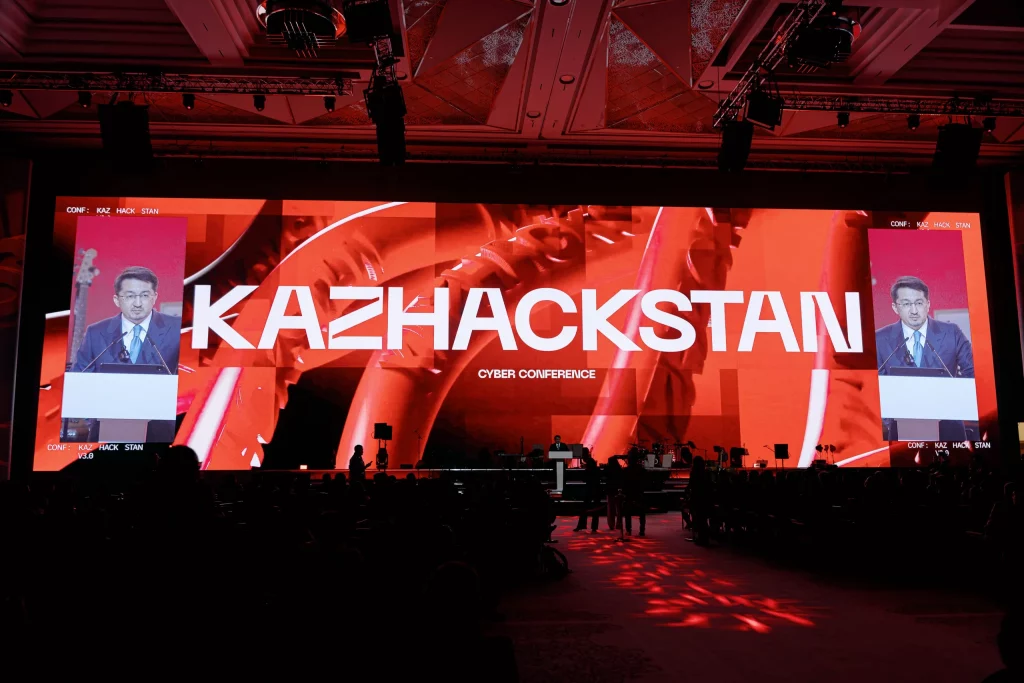
The annual KazHackStan 2026 conference, held in Almaty, brought together leading cybersecurity practitioners, red teamers, enterprise defenders, and government representatives from across Central Asia and international hubs. The conference underscored a decisive paradigm shift in digital defense: cyber threats have transitioned from conventional perimeter scanning toward sophisticated generative AI attacks, highly weaponized deepfakes, and urgent preparations for post-quantum cryptographic resilience.
Industry keynotes demonstrated that corporate perimeters can no longer be protected purely through traditional endpoint security and firewall appliances. As attack vectors become increasingly automated, defense strategies must integrate continuous behavioural telemetry, zero-trust verification, and employee awareness programs tailored to counter biometric deception.

The Weaponization of Generative AI and Deepfake Impersonation
A central focal point of technical workshops was the alarming escalation of real-time synthetic media. Attackers increasingly utilize voice synthesis clones and live video face-swapping to bypass bank KYC protocols, impersonate C-suite executives in wire transfer requests, and compromise corporate communication channels.
Security researchers exhibited live demonstrations where off-the-shelf generative models created audio clones of corporate executives using less than ten seconds of public interview footage. These synthesized voices were subsequently deployed to authorize urgent wire releases during simulated social engineering engagements, bypassing two-step verbal authentication.
Preparing for the Post-Quantum Cryptographic Transition
Another major theme centered on the timeline for quantum computing advancements and their implications for legacy asymmetric encryption (RSA and ECC). While commercial quantum decryption remains on the horizon, state-sponsored actors are actively executing “Harvest Now, Decrypt Later” operations — intercepting and storing encrypted enterprise traffic today to decrypt once quantum algorithms become viable.
Experts urged financial institutions and critical national infrastructure operators to begin auditing their cryptographic dependencies immediately, adopting post-quantum lattice-based algorithms standardized by NIST to safeguard long-term state and banking secrets.
Industrial Control Systems and Critical Infrastructure
The conference’s cyber-range competitions highlighted vulnerabilities in SCADA and industrial control systems (ICS). In the energy and oil extraction sectors of Central Asia, operational technology (OT) is increasingly connected to enterprise clouds to facilitate remote management, inadvertently exposing physical infrastructure to network intrusion.
Red team specialists demonstrated how vulnerable legacy telemetry protocols can be exploited to alter pipeline pressure sensor readings and disrupt power substation controls. Speakers stressed that industrial defense requires isolating OT networks and deploying dedicated hardware data diodes to guarantee one-way communication.
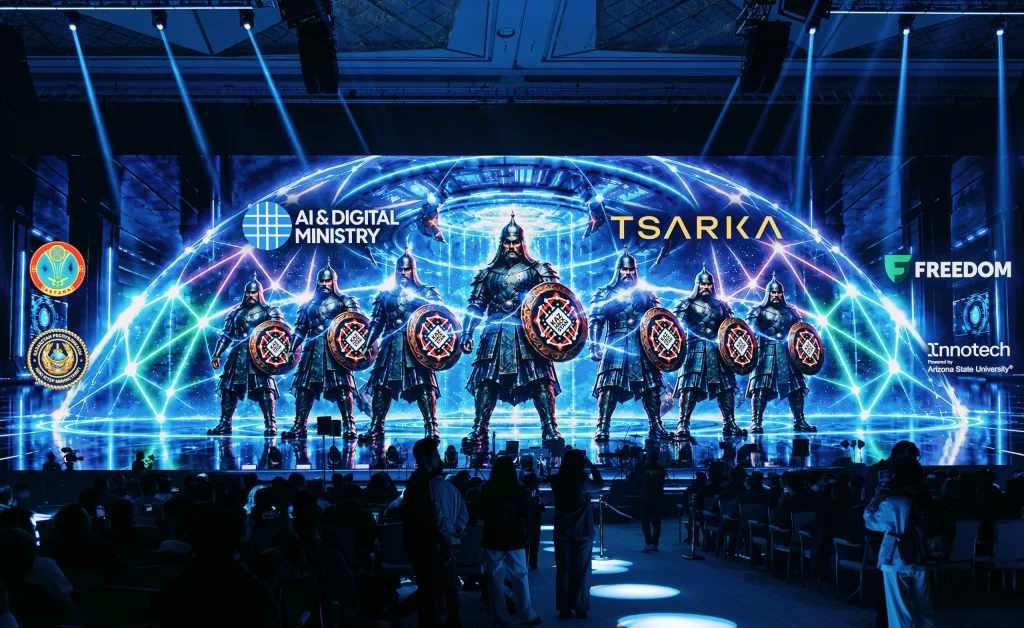
KazHackStan 2026 established that regional cybersecurity has matured into a vital pillar of national economic sovereignty. As financial systems and public administrations digitize rapidly, enterprise survival hinges on proactive vulnerability disclosure, bug bounty partnerships, and engineering defense systems resilient against machine-speed attacks.