

Across the United States, automated traffic cameras have expanded into a pervasive nationwide network tracking vehicular movement. In Kazakhstan, an analogous surveillance infrastructure has operated for nearly a decade under the brand Sergek. Here is a forensic comparison of how both systems operate—who owns them, what public safety promises they make, and the acute data privacy and governance controversies they face.
Flock Safety: 100,000 Cameras and FBI Data That Undermined Its Core Pitch
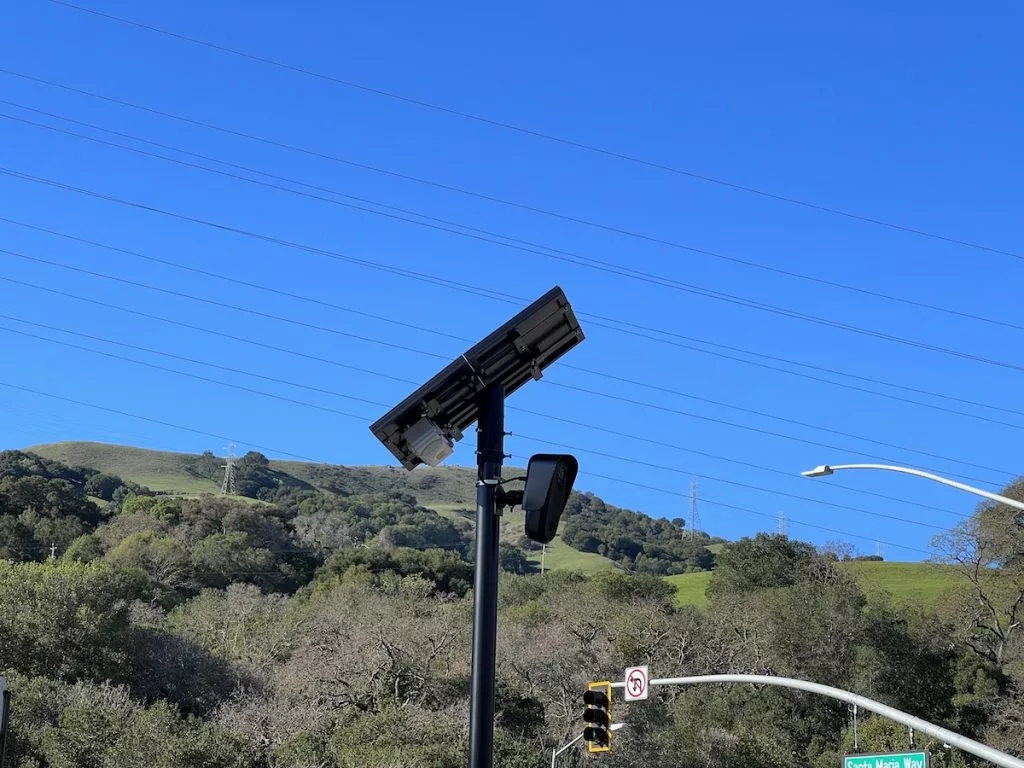
Flock Safety is a venture-backed American enterprise that has installed Automated License Plate Readers (ALPR) across the United States since 2017. According to civil liberties audits by the ACLU, Flock’s nationwide footprint has expanded to approximately 100,000 cameras. In Atlanta alone, which saw the fastest municipal deployment in North America, more than 5,000 Flock optical units operate along thoroughfares. For legal guidelines regarding municipal video streams and server localization, read our guide to Kazakhstan’s Personal Data Law and domestic data storage compliance.
Flock’s primary commercial justification is that dense ALPR networks dramatically empower law enforcement to solve violent crime. However, empirical FBI Uniform Crime Reporting data compiled by the Atlanta Community Press Collective revealed the opposite trend: homicide clearance rates in Atlanta did not improve during the mass deployment period—they dropped from 53.4% in 2021 down to 48% in 2025. Sexual assault clearance remained stagnant at 37.7%. In vehicle theft—the exact crime ALPR hardware was engineered to solve—police cleared barely one out of ten reported stolen vehicles.
Sergek: 30,000 Cameras and Public-Private Partnership Mechanics
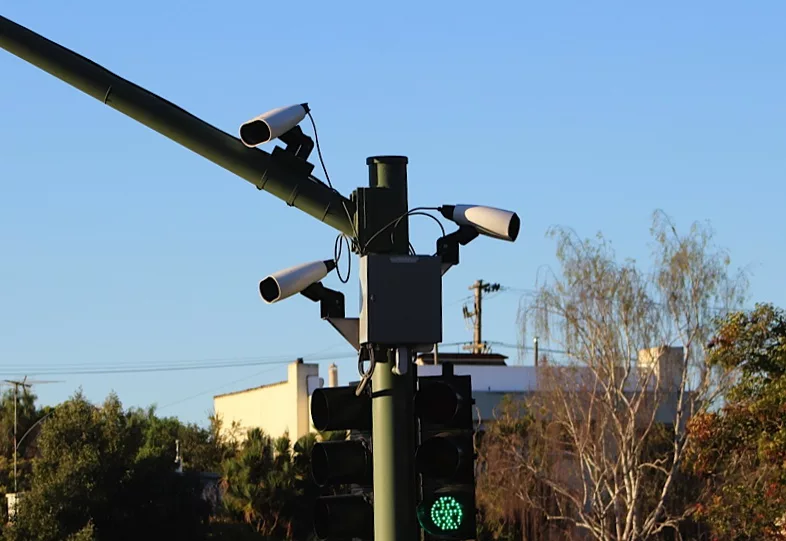
Sergek is a Kazakhstani intelligent video analytics and traffic enforcement system developed by Korkem Telecom (part of Open Technologies Group, co-founded by brothers Kairat and Aset Akhmetov). Launched in Astana in 2017, Sergek currently monitors metropolitan traffic across major regional centers in Kazakhstan, maintaining an estimated nationwide deployment of 30,000 cameras.
The operating structure differs fundamentally from Flock’s private SaaS model. Sergek operates as a Public-Private Partnership (PPP): the private enterprise finances hardware installation and software development, while municipal administrations pay operational service fees—exceeding 5 billion KZT in Astana alone. In addition to roadway cameras, thousands of optical sensors across transit hubs and shopping centers feed into a unified municipal analytics engine. Law enforcement officers access this database via mobile terminals, cross-referencing vehicle movements against municipal registers of tax debtors and outstanding administrative penalties.
Official municipal claims regarding Sergek’s public safety efficacy vary widely across official releases. The Astana city akimat stated in one report that urban crime fell by 24%, while an earlier communication claimed a 40% crime drop alongside a 50% halving of traffic fatalities. Crucially, neither metric has been subjected to published, independent third-party academic auditing comparable to the investigative cross-examination of Flock’s claims against FBI records.
Forensic Comparison: Flock Safety vs. Sergek
| Benchmark | Flock Safety (United States) | Sergek (Kazakhstan) |
|---|---|---|
| Launch Year | 2017 | 2017 |
| Network Footprint | ~100,000 cameras nationwide; 5,000+ in Atlanta | ~30,000 cameras nationwide (company disclosures) |
| Ownership Model | Private corporation; recurring subscription contracts with municipal police departments | Public-Private Partnership (PPP); private development and municipal service leasing |
| Governing Entity | Flock Safety Inc. (US venture-backed technology company) | Korkem Telecom / Open Technologies Group (Kazakhstani founders); as of 2025, Astana operational management transferred to Presight (UAE, G42 holding) |
| Claimed Impact | Rapid felony apprehension and crime clearance | 24% to 40% reduction in urban crime; 50% drop in road fatalities (unverified variations across official releases) |
| Independent Verification | Yes — FBI Uniform Crime Reporting audits showed zero statistical improvement in crime clearance rates | No published, independent peer-reviewed audit publicly available; relies on municipal statements |
Systemic Governance and Surveillance Vulnerabilities
Flock’s primary vulnerabilities center on operational abuses: documented instances where individual police officers used warrantless ALPR lookup tools for stalking and unauthorized surveillance. After community pushback led to physical sabotage and burning of cameras, Flock began camouflaging its optical units inside utility infrastructure. A controversial audio-surveillance feature designed to detect screams and gunshots was deprecated following widespread civil liberties protests.
Sergek faces distinct governance questions. The platform records every passing vehicle rather than solely traffic offenders, maintaining a continuous transit trail on all citizens. In 2023, viral social media claims alleging Sergek streamed Kazakhstani biometric data to servers in China were thoroughly debunked by independent fact-checkers (Factcheck.kz): the company is Kazakhstani-engineered with sovereign servers housed in Astana.
However, in February 2025, municipal management of Astana’s surveillance camera network was officially transferred to Presight, an artificial intelligence company based in the United Arab Emirates and a subsidiary of state-backed holding G42. While distinct from previous unfounded rumors, G42 has faced well-documented scrutiny from US regulatory authorities over its historical procurement of equipment from sanctioned Chinese telecom giant Huawei. The transfer of operational command over Kazakhstan’s capital surveillance infrastructure to an overseas holding has re-ignited legitimate public policy questions regarding physical data sovereignty and foreign access.
Frequently Asked Questions
What is Flock Safety? An American technology enterprise founded in 2017 that leases automated license plate recognition cameras to municipal law enforcement agencies across the US, managing a network of ~100,000 units.
What is Sergek? Kazakhstan’s flagship smart city surveillance and traffic recording network developed by Korkem Telecom, operating under Public-Private Partnerships since 2017 across multiple urban centers.
Does Sergek transmit citizen data to China? No. Investigations by Factcheck.kz verified that Sergek’s code, data repositories, and physical servers are localized in Astana. However, in 2025, camera operational management in Astana was awarded to UAE-based Presight (G42).
Do smart surveillance cameras demonstrably reduce crime? In Flock’s case, empirical FBI audits revealed zero improvement in violent crime clearance and vehicle recovery rates. In Sergek’s case, municipal akimats report 24–40% reductions, but independent methodological audits are not publicly available.
Who manages Sergek’s network in Astana today? Since March 2025, operational administration of the capital’s network has been handled by Presight (UAE), a subsidiary of the G42 conglomerate.
For an examination of digital defense protocols and vulnerability auditing across national infrastructure, read our profile on TSARKA Group’s cybersecurity defense and critical infrastructure protection.



