
Kazakhstan’s DeepTech ecosystem is undergoing a fundamental shift. Just a few years ago, domestic IT projects focused almost exclusively on the local market or Central Asia. In 2026, Kazakhstani AI developers are competing in Silicon Valley, the Middle East and Southeast Asia.
Using data from its Startup Radar directory, RAEM has compiled a ranking of seven promising AI startups from Kazakhstan that are developing technologies for the global market.
Key findings:
- Core areas: Kazakhstani founders are competing in computer vision, medical diagnostics, generative design and spatial analytics.
- US accelerator programs: Kazakhstani teams have joined Stanford StartX, Google for Startups Silkway and 500 Global programs.
- Accuracy and safety: From anti-spoofing technology for banks to early stroke detection in hospitals, these systems address tasks where errors can have serious consequences.
At a glance: Kazakhstan’s AI startups
| Startup | Technology | Founders | Markets and accelerator programs |
|---|---|---|---|
| Beyne.ai | Biometric verification and liveness detection | Seilbek Myktybekov | Kazakhstan, Central Asia, Silkway Accelerator |
| Cerebra AI | AI diagnosis of ischemic stroke | Doszhan Zhusupov | Stanford StartX; clinics in Kazakhstan and the US |
| Wonder | AI interface compiler, UI-to-code | Aibek Yegemberdin, Boris Yankovich | Global B2B SaaS; Silkway Accelerator |
| Defect AI (Rette) | LLM analysis of medical records | Sanzhar Myrzagalym, Kuanysh Idrissov | Stanford StartX 2026; US market; Mayo Clinic |
| Qala AI | Spatial AI and urban analytics | Dana Shukirbayeva, Madi Saken | AI Battle winner ($15,000); Middle East (AIM) |
| KenesAI | Conversational AI and speech technologies | Askhat Sergazin | Enterprise customers in Central Asia |
| Higgsfield AI | Generative video AI | Yerzat Dulat, Alex Mashrabov | Global creator market; US venture funding |
1. Beyne.ai — protecting banks and fintech companies from deepfakes
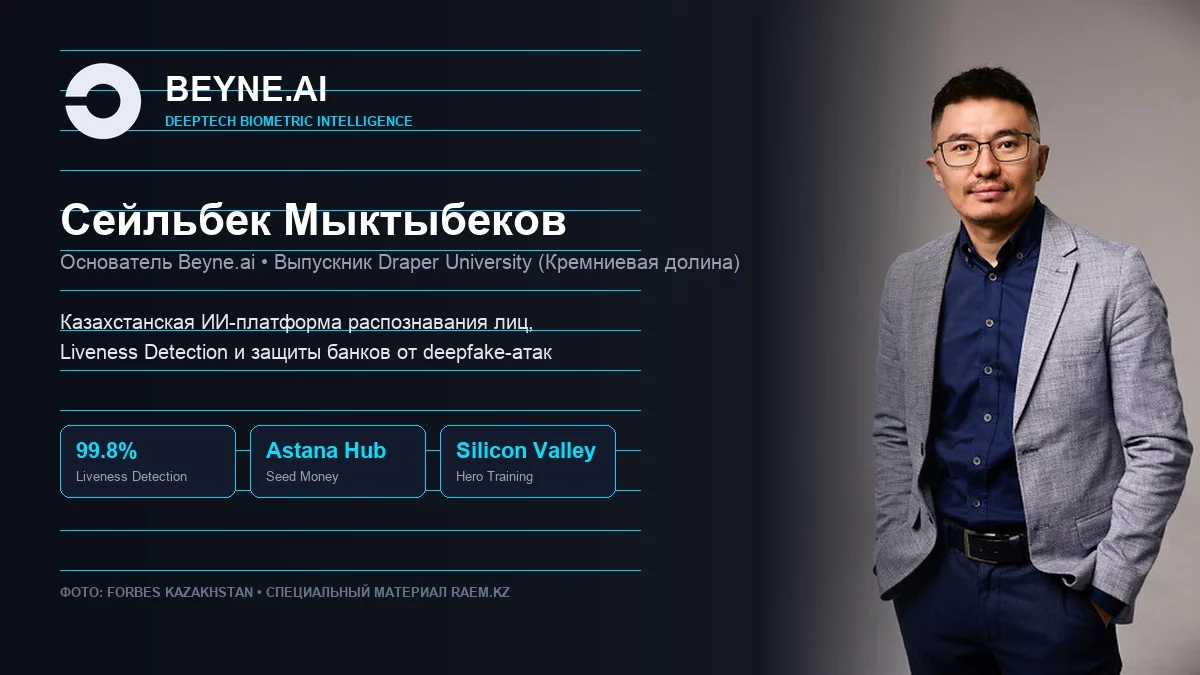
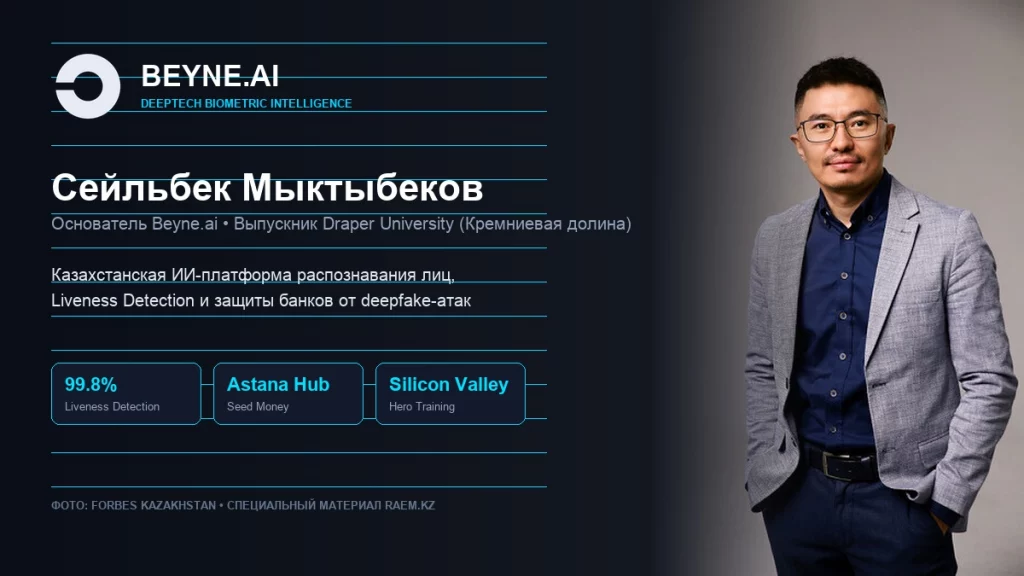
Beyne.ai is a Kazakhstani DeepTech company specializing in biometric identification and protection against presentation attacks. Founded by engineer Seilbek Myktybekov, it developed liveness detection algorithms certified under the international ISO 30107-3 standard.
The technology addresses a critical problem in remote onboarding. Its computer vision algorithms analyze skin microtextures, passive optical reflections and depth information with submillimeter precision. The system blocks attempts to pass verification using silicone masks, high-resolution photographs, video replays from device screens or generative 3D avatars. Its customers include commercial banks, microfinance organizations and telecom operators.
RAEM Startup Radar: Beyne.ai’s startup profile and metrics.
2. Cerebra AI — using neural networks to detect strokes
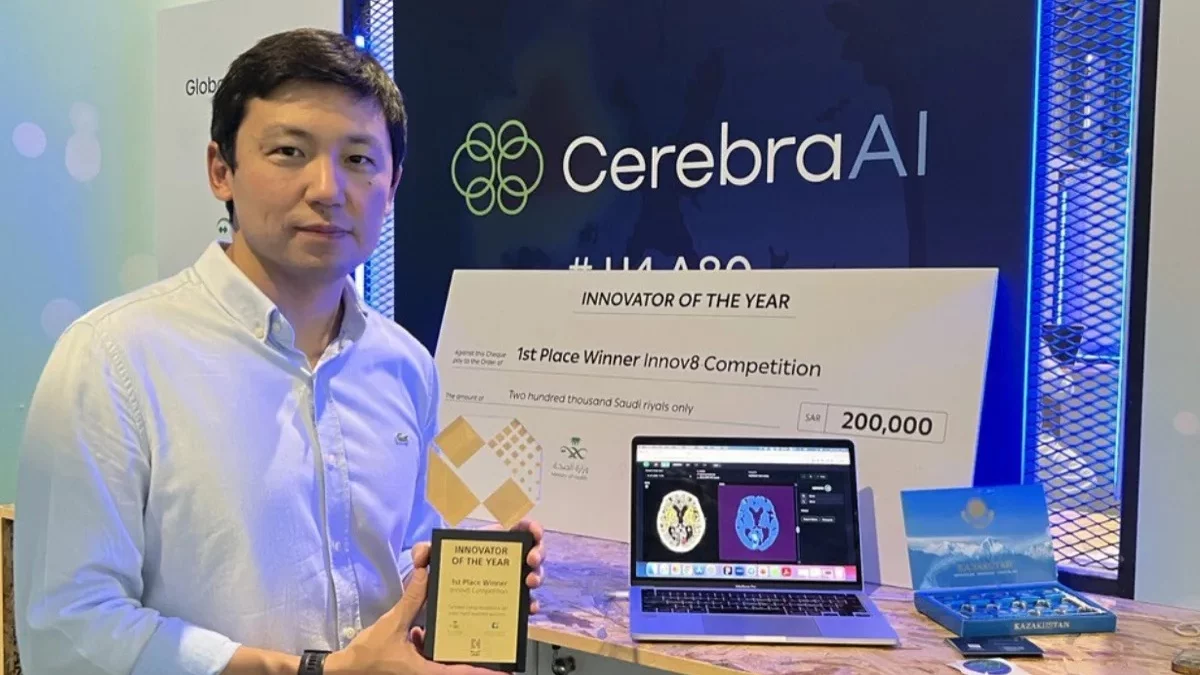
Led by Doszhan Zhusupov, Cerebra AI is one of Kazakhstan’s leading medical AI projects. It is developing a specialized neural network ecosystem for automated diagnosis of ischemic and hemorrhagic strokes using brain CT scans.
In clinical practice, the therapeutic window for thrombolysis is only 4.5 hours. Cerebra processes CT scans in minutes, highlighting the ischemic core and penumbra — brain tissue that may still be saved — for doctors. The startup joined the Stanford StartX accelerator in the US, gained recognition from Medtronic and has been deployed in dozens of vascular centers.
RAEM Startup Radar: Cerebra AI’s startup profile and metrics.
3. Wonder — generating clean frontend code from designs
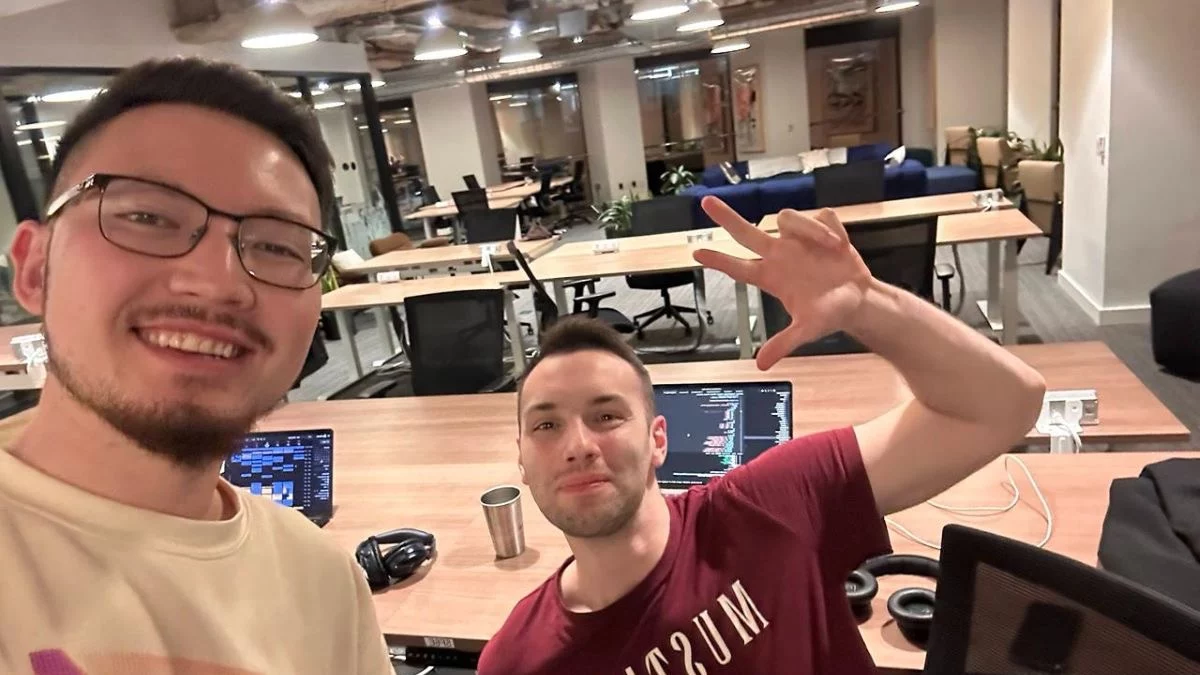
Founded by Aibek Yegemberdin and Boris Yankovich, Wonder tackles a fundamental challenge in product development: the slow, resource-intensive process of turning Figma designs into working interfaces. The team built a proprietary AI interface compiler that converts visual designs into semantic, modular code using React, Next.js and Tailwind CSS.
Unlike basic markup generators, Wonder interprets a company’s design tokens, auto-layout structure and component states, avoiding unnecessary CSS code. The startup completed the Silkway Accelerator program and is targeting the enterprise development market in the US and Europe.
RAEM Startup Radar: Wonder’s startup profile and metrics.
4. Defect AI (Rette) — reviewing medical records for US hospitals
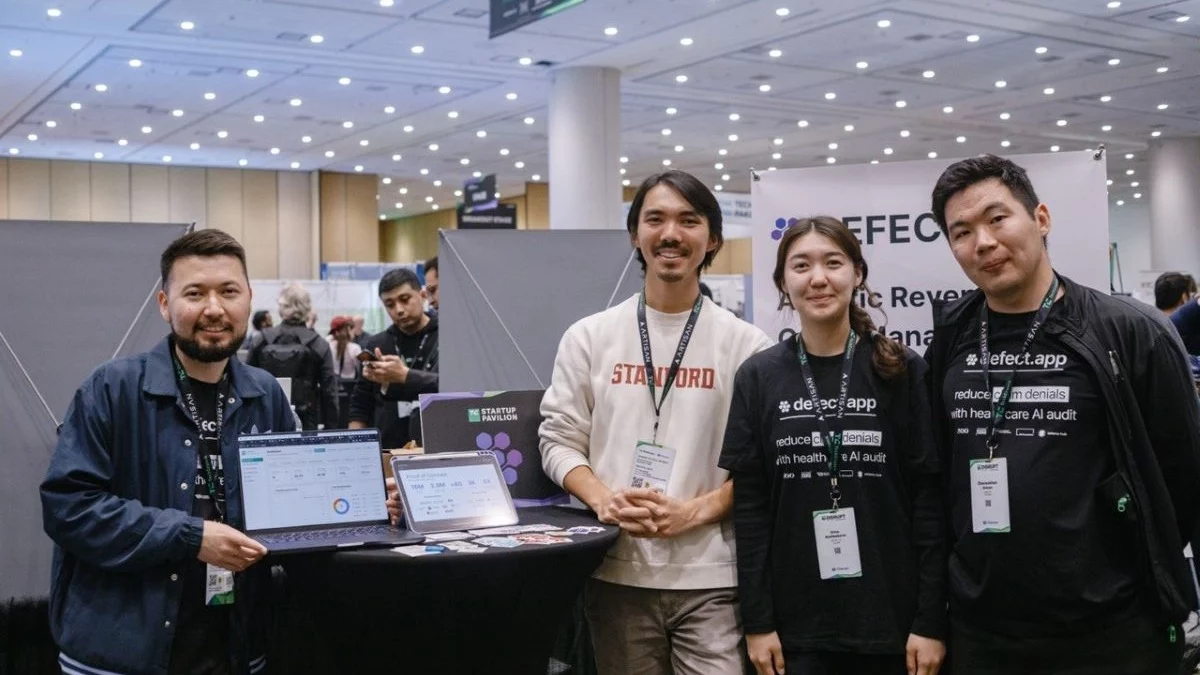
Defect AI, formerly known as Rette, was founded by Sanzhar Myrzagalym, a former Microsoft engineer with a Stanford master’s degree, and Kuanysh Idrissov. The company has expanded into the US medical insurance and auditing market. Its platform uses specialized large language models to analyze hundreds of pages of electronic health records.
The system identifies inconsistencies between clinical diagnoses, prescribed medications and treatment protocols. Its aim is to reduce insurance claim denials and help prevent medical errors. Defect AI was selected for the Stanford StartX Spring 2026 cohort and is running pilots with US hospital networks, including experts from Mayo Clinic.
RAEM Startup Radar: Defect AI’s startup profile and metrics.
5. Qala AI — spatial intelligence for resilient cities
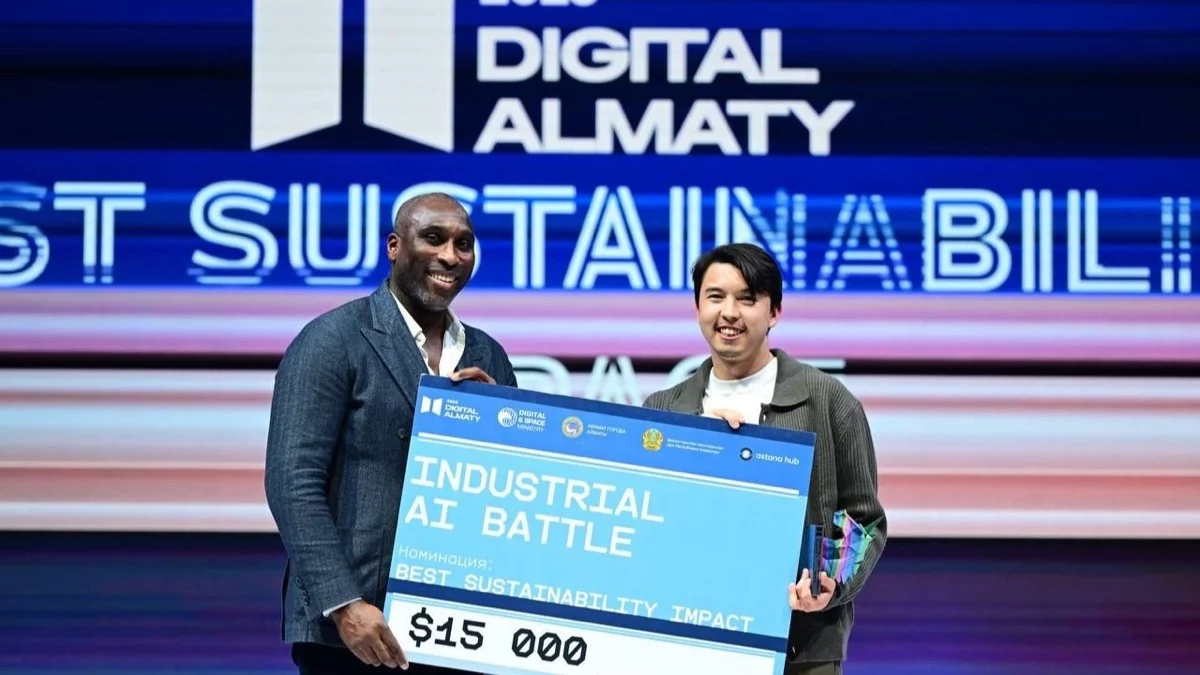
Co-founded by Dana Shukirbayeva and Madi Saken, Qala AI applies spatial intelligence to urban technology. Its platform combines more than 70 changing layers of geospatial data, from traffic flows and building density to microclimate changes and urban heat islands.
The system lets city authorities and developers model construction plans, transport connectivity and infrastructure resilience before natural disasters occur. Qala AI won the $15,000 AI Battle prize at Digital Almaty, received an international award at AIM Congress in Abu Dhabi and works with urban planning experts from Japan’s Nippon Koei.
RAEM Startup Radar: Qala AI’s startup profile and metrics.
6. KenesAI — conversational AI for businesses
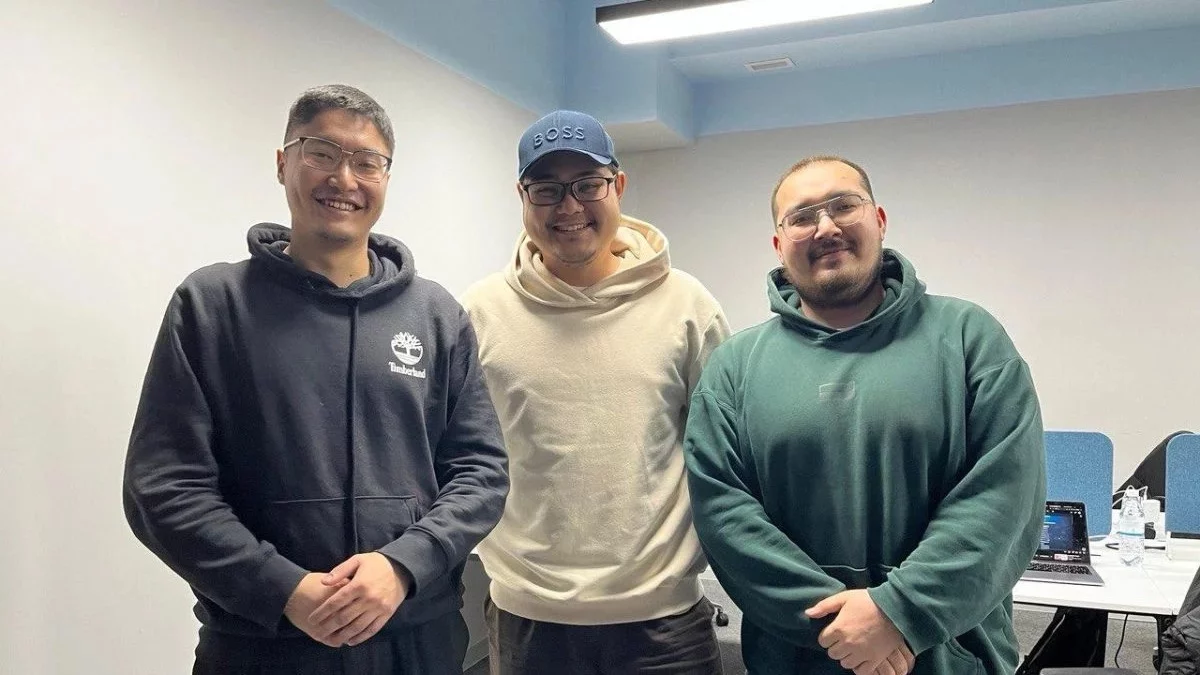
Founded by Askhat Sergazin, KenesAI is a pioneer in automating customer communications and contact centers with conversational AI. Its platform combines automatic speech recognition, natural language understanding and text-to-speech modules, supporting Kazakh and Russian with high accuracy.
KenesAI’s virtual operators handle millions of incoming requests in banking, retail and government services. They reduce waiting time for an operator to zero and automate up to 75% of standard consultations without human involvement.
RAEM Startup Radar: KenesAI’s startup profile and metrics.
7. Higgsfield AI — cinematic video generation
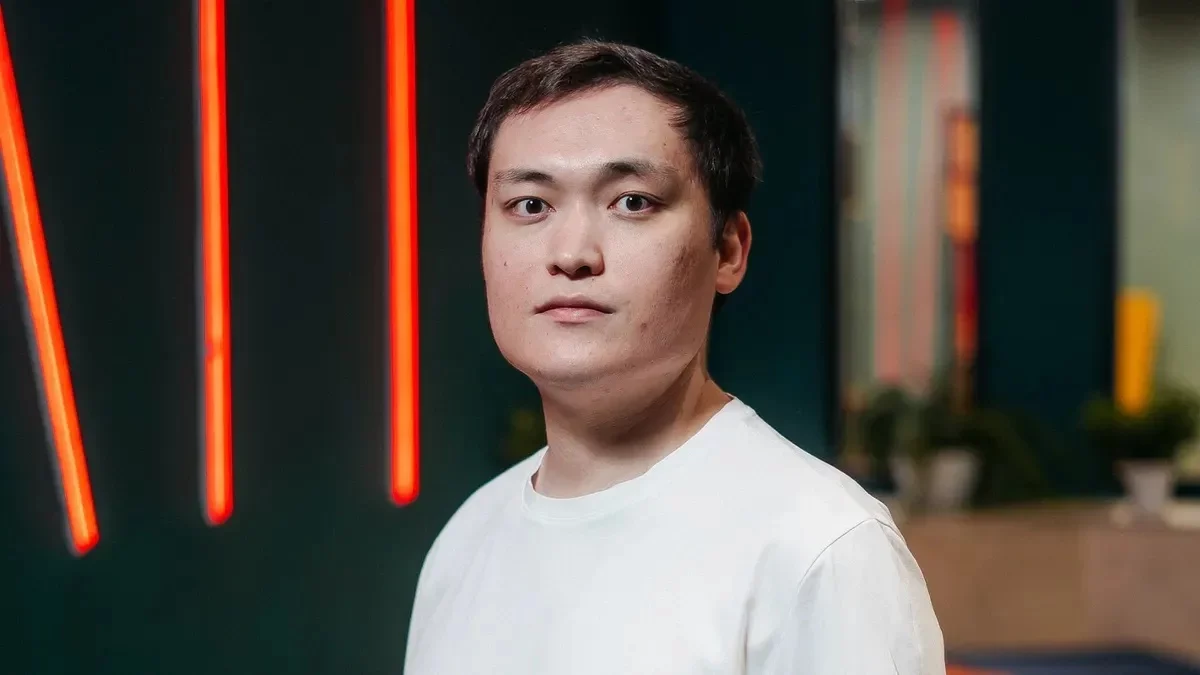
Higgsfield AI, founded by Kazakhstani engineer Yerzat Dulat together with former Snap AI executive Alex Mashrabov, has become one of the most prominent releases in generative video. The team developed its own diffusion video model, designed to produce highly detailed videos with extensive control over camera movement and character anatomy.
The product has attracted venture capital from major US funds and competes with global tools such as Runway and OpenAI Sora, making professional filmmaking tools available to creators around the world.
RAEM Startup Radar: Higgsfield AI’s startup profile and metrics.
RAEM’s conclusion: what gives Kazakhstani AI its strength?
These seven projects suggest that Kazakhstani DeepTech startups are building proprietary technologies rather than simply adding interfaces to standard APIs. Strong local mathematics and engineering talent, support from Astana Hub and Google for Startups Silkway programs, and founders’ early entry into US and European accelerator programs all play a role.