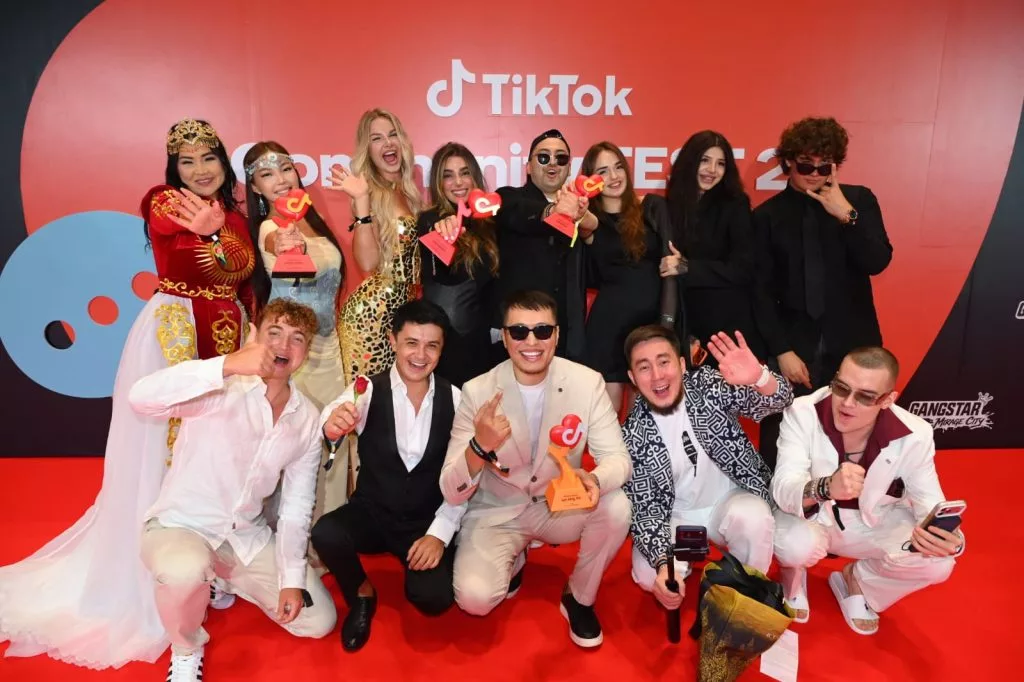
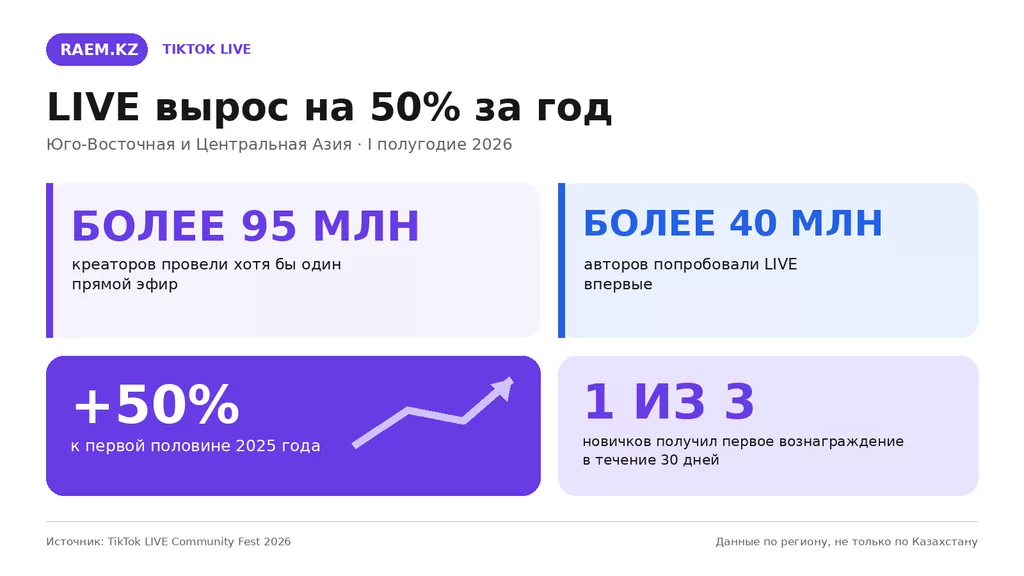
Ruslan Nurtazin captured the top honor at TikTok’s regional LIVE Community Fest 2026, while streamer Sabina claimed Gold. Yet the primary narrative surrounding TikTok across Kazakhstan is no longer about influencer festivals: the platform is expanding rapidly as a lucrative commercial revenue stream while simultaneously facing unprecedented regulatory restrictions from state authorities.
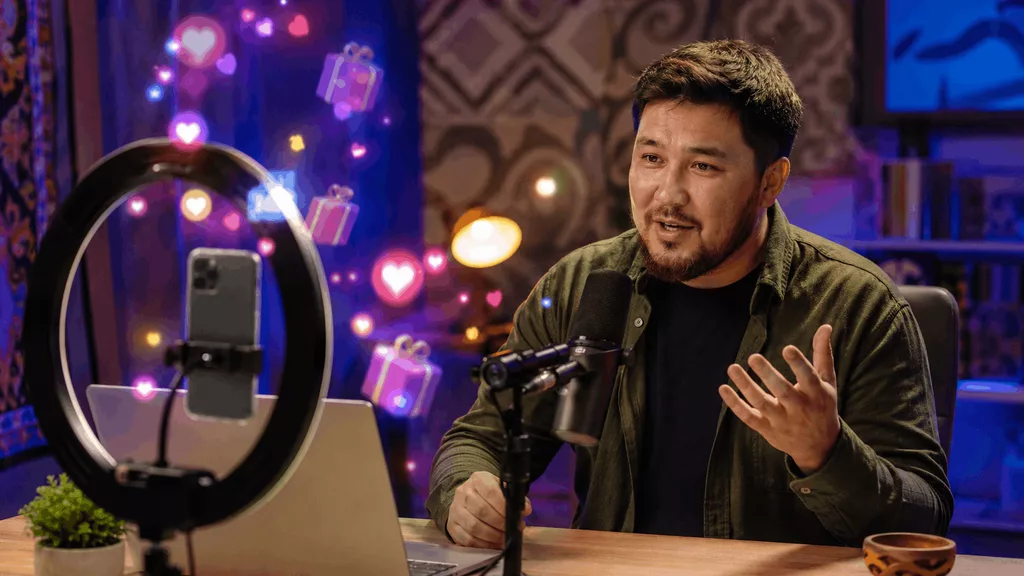
TikTok in Kazakhstan finds itself at a defining inflection point: almost simultaneously, the platform celebrates local creators winning international accolades, while President Kassym-Jomart Tokayev and parliamentary deputies push forward legislative restrictions barring minors under 16 from maintaining social media accounts. Rather than contradicting each other, these developments highlight TikTok’s immense cultural power—and why regulators view it with mounting urgency.
The LIVE Monetization Boom: Virtual Gifts and Full-Time Careers
TikTok LIVE has evolved far beyond casual entertainment into a massive gig-economy engine. Top streamers in Almaty, Shymkent, and regional towns conduct multi-hour daily broadcasts, competing in «battles» where audiences send virtual gifts purchased with real money.
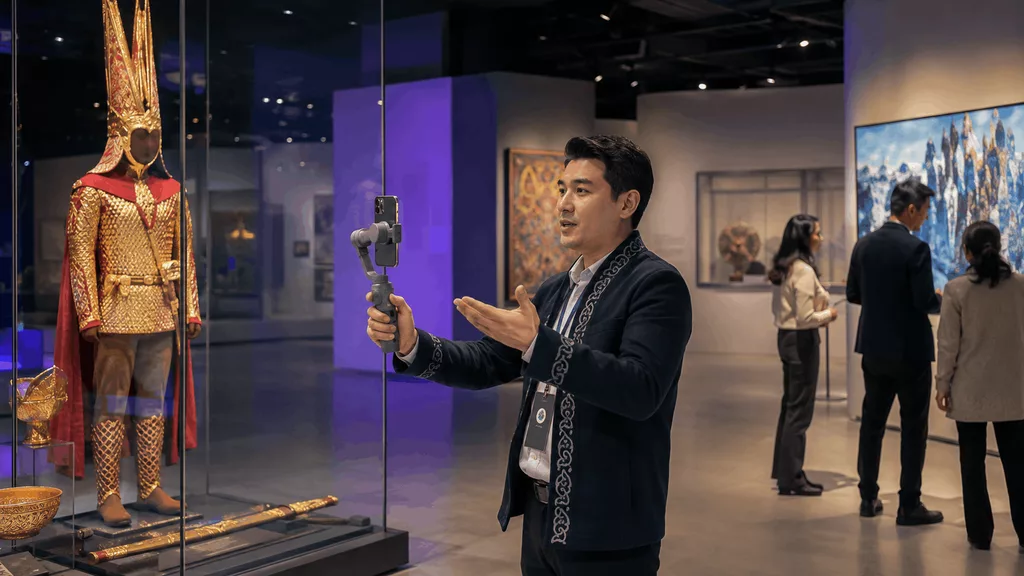
A successful streamer can earn between 500,000 and several million KZT monthly after TikTok’s standard 50% revenue cut. For thousands of young people outside metropolitan IT bubbles, live broadcasting has become the most accessible digital path to financial independence.
The Regulatory Backlash: The Proposed Under-16 Ban
Concurrently, state concern over adolescent mental health, algorithmic addiction, cyberbullying, and predatory behavior has reached the highest legislative levels. At the National Teachers Conference, President Tokayev explicitly condemned uncontrolled digital consumption among school students, directing ministries to safeguard children from predatory online spaces.
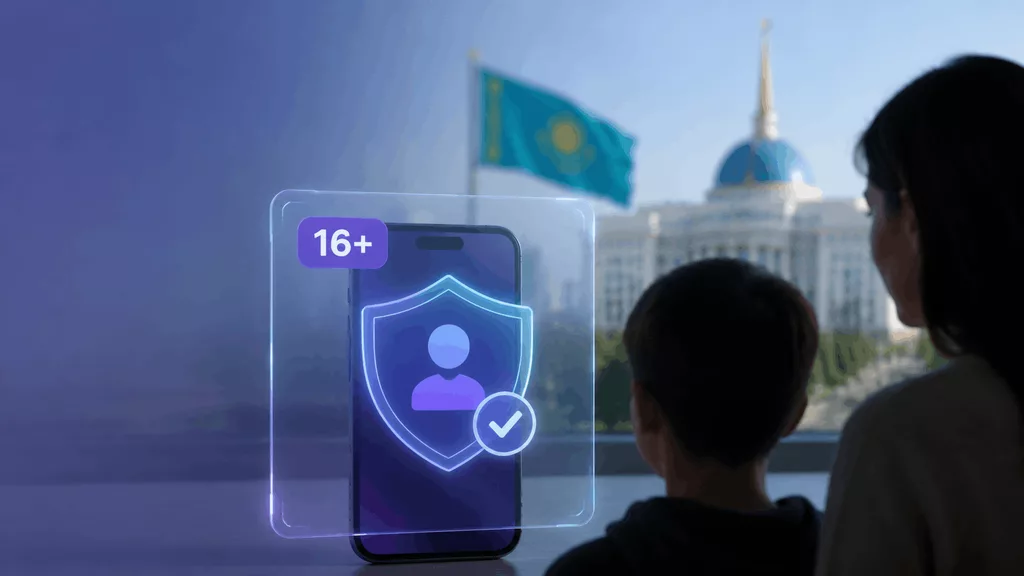
Parliamentary working groups are currently debating statutory mechanisms mirroring initiatives enacted in Florida and debated across Australia: legally prohibiting children under 16 from creating or holding social media accounts without verified parental consent and government ID verification (eGov).
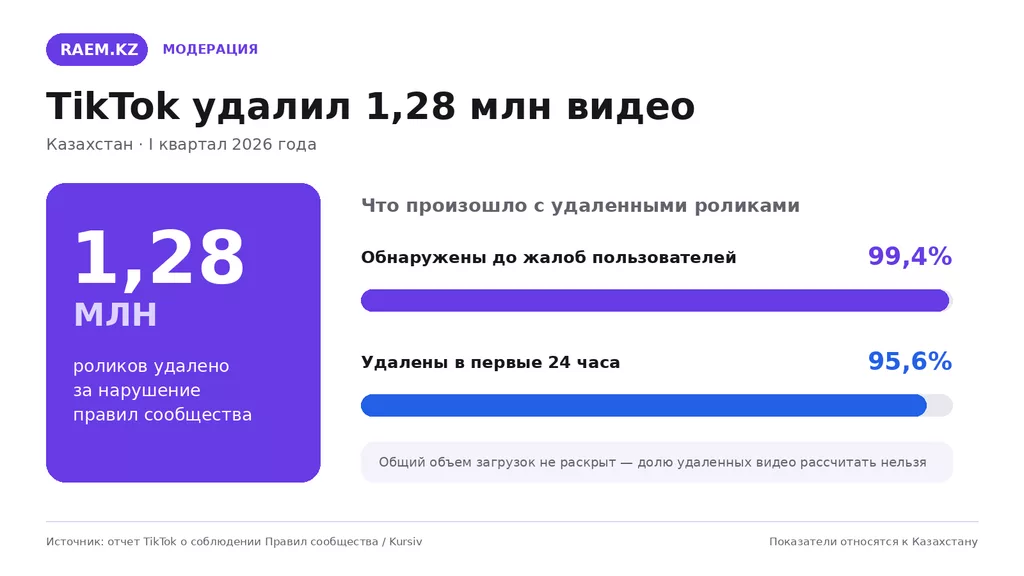
TikTok is actively attempting to preempt an outright ban by expanding Kazakh-language moderation teams, partnering with the Ministry of Enlightenment on educational hashtags, and strengthening parental controls. Whether these voluntary corporate measures will satisfy state legislators remains one of the defining digital policy battles of 2026.