Photo: Edgar Cherkasov / Pexels
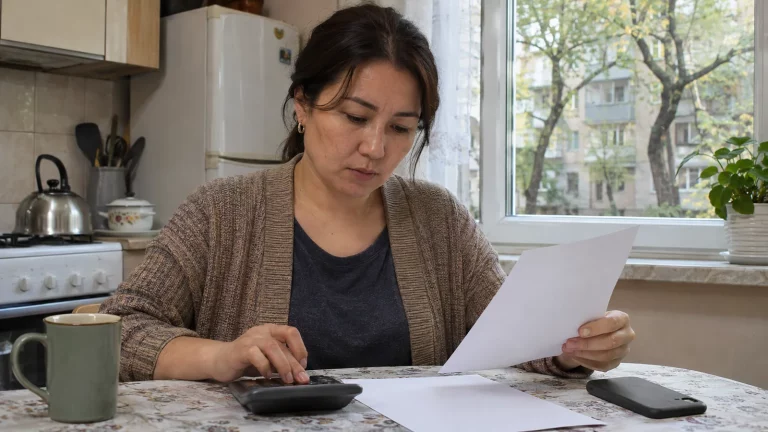
Kazakhstan plans to use the Digital Family Card to assess how much older people depend on help from others. Prime Minister Olzhas Bektenov announced the plans in his response to a parliamentary inquiry. The assessment will help identify which social, medical and rehabilitation services a person needs and how often they should receive them (kursiv.media).
What happened
Bektenov said the system already holds data that can identify older people who need support. The next step is to assess how much a person depends on help from others. For more on the system, see our article on what data will be collected for the Digital Family Card.
Plans for the new assessment include working out how healthcare and social protection organisations will share data. The assessment would also take account of individual needs assessments and track services provided. There are no plans to duplicate the functions of existing digital systems.
“The next step will be to determine the extent to which an older person depends on help from others,” Bektenov said.
What this means
Work is under way on a common procedure for different agencies to assess older people’s condition. It should take into account their ability to care for themselves and move around independently, their health and their social environment. Another criterion is cognitive function: memory, thinking and other mental abilities.
The assessment results will determine how much support a person receives and how often. There are also plans to establish a reassessment procedure if a person’s condition changes. The services provided would therefore be linked to each older person’s individual needs.
What help at home is being considered
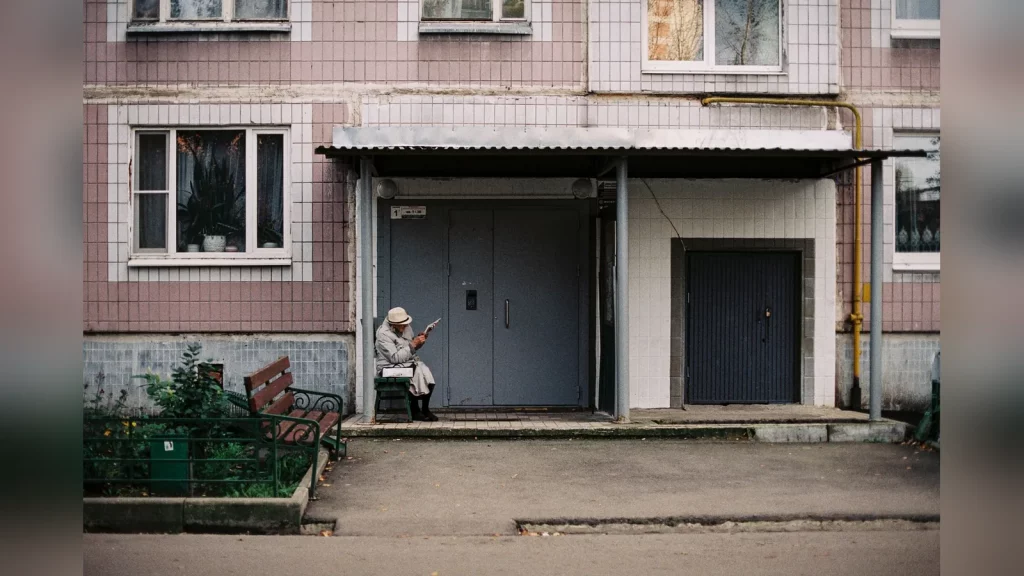
Kazakhstan is also examining whether to expand the range of home services for pensioners. Options under consideration include help with everyday household tasks and grocery deliveries. Support would also include accompanying people to medical facilities and rehabilitation.
The next step is to work out data-sharing arrangements and a common assessment procedure. Expanding home services is also still under discussion: these are plans, rather than a range of support services that has already been launched.