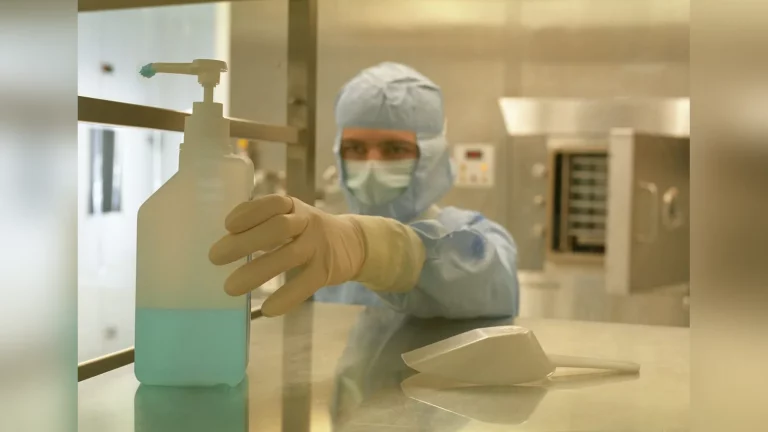
Photo: из архива Маржан Габбасовой
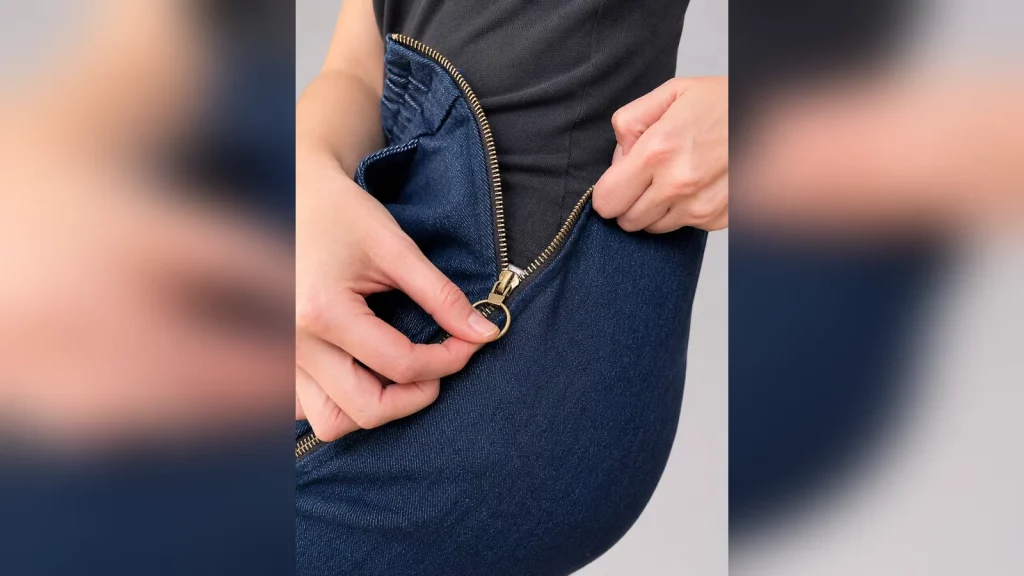
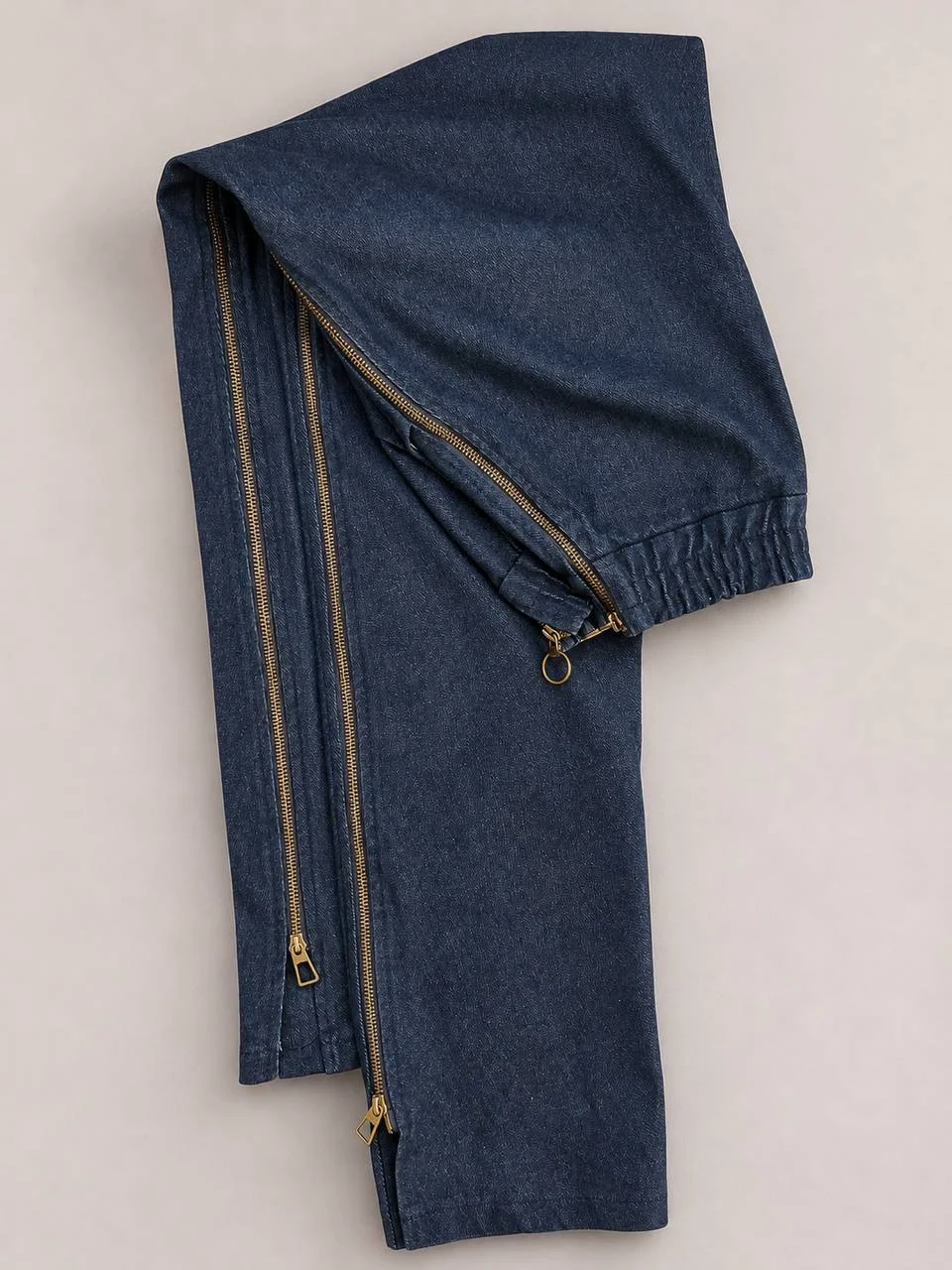
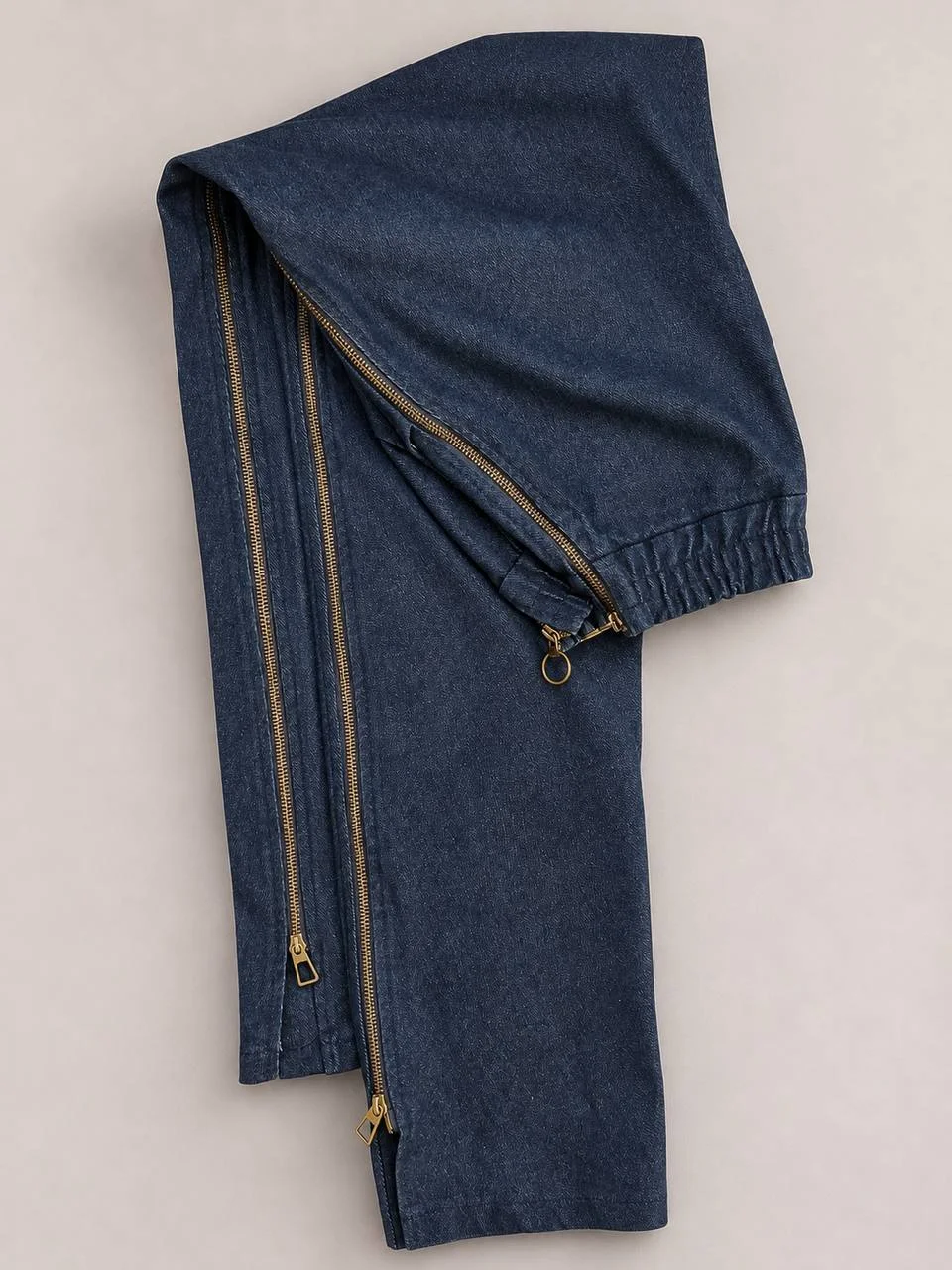
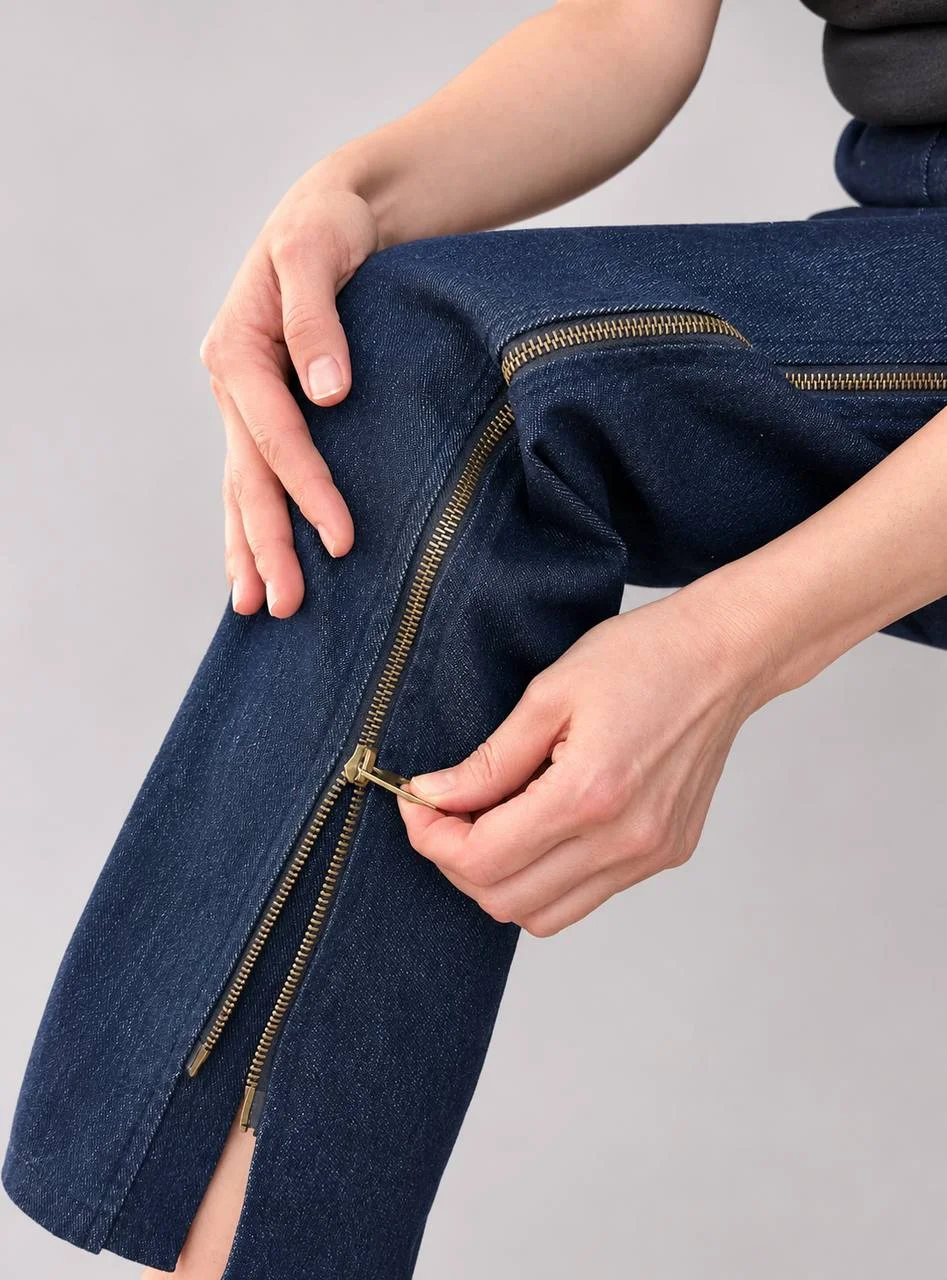
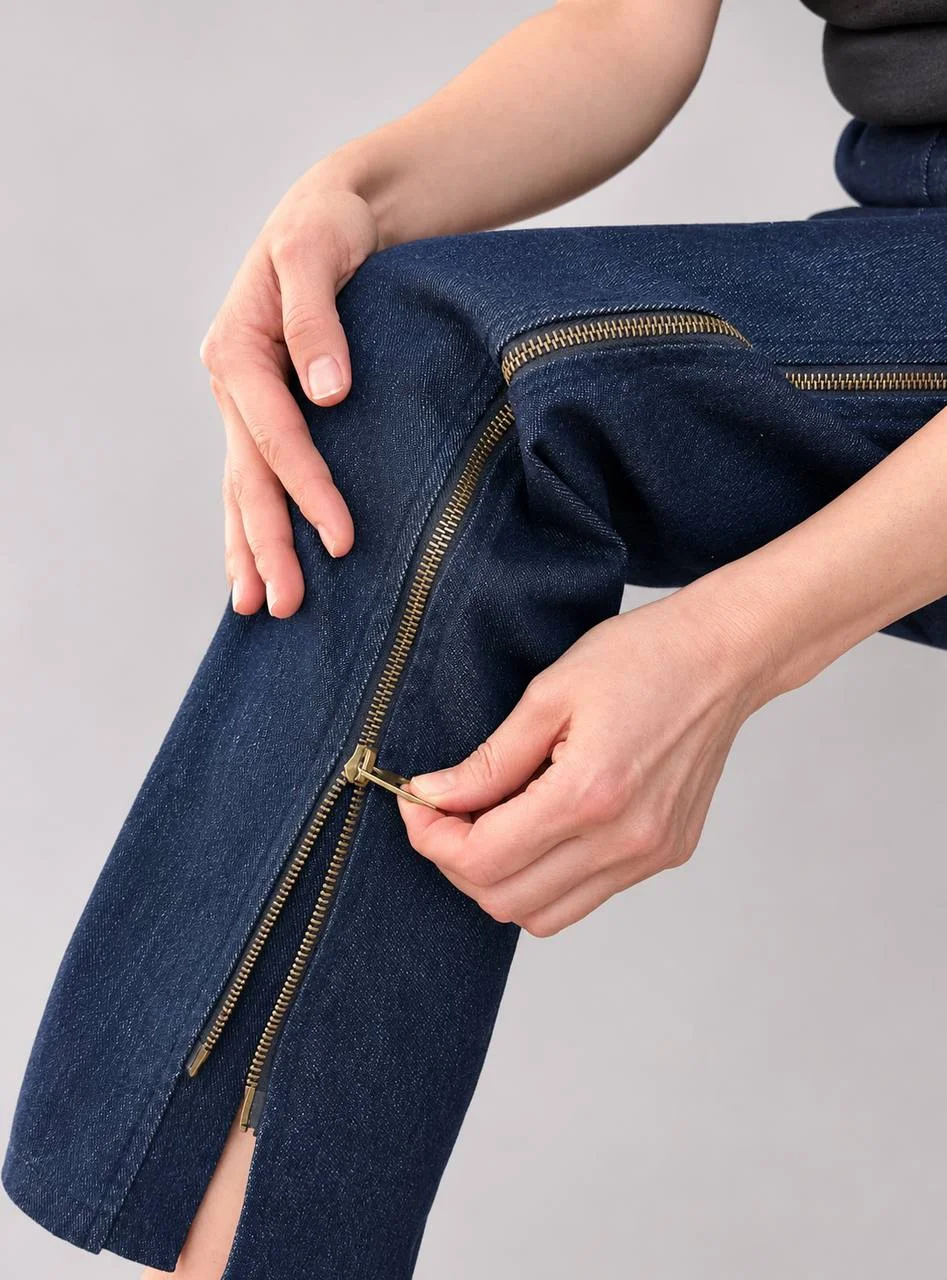
Marzhan Gabbassova is a dentist who moved into entrepreneurship and is now developing Teń, an adaptive clothing brand for people with disabilities. Its first design is a pair of jeans for wheelchair users. The pattern is ready; next comes making and testing a sample. Marzhan is taking part in Creative Shift with the project.
“Medicine brought me to inclusion, and today I want to change people’s everyday lives through fashion,” she says.
Who she is and what she is building
Marzhan has spent most of her career in healthcare. She is now exploring social entrepreneurship and volunteers with the MAMA PRO public foundation, which supports mothers of children with special needs.
Teń is a clothing brand that combines functionality, comfort and contemporary design. “I want people to feel they don’t have to choose between comfort and style,” the founder explains. Its core audience is people with disabilities, particularly wheelchair users, who need clothing designed around their seated posture and daily dressing routines.
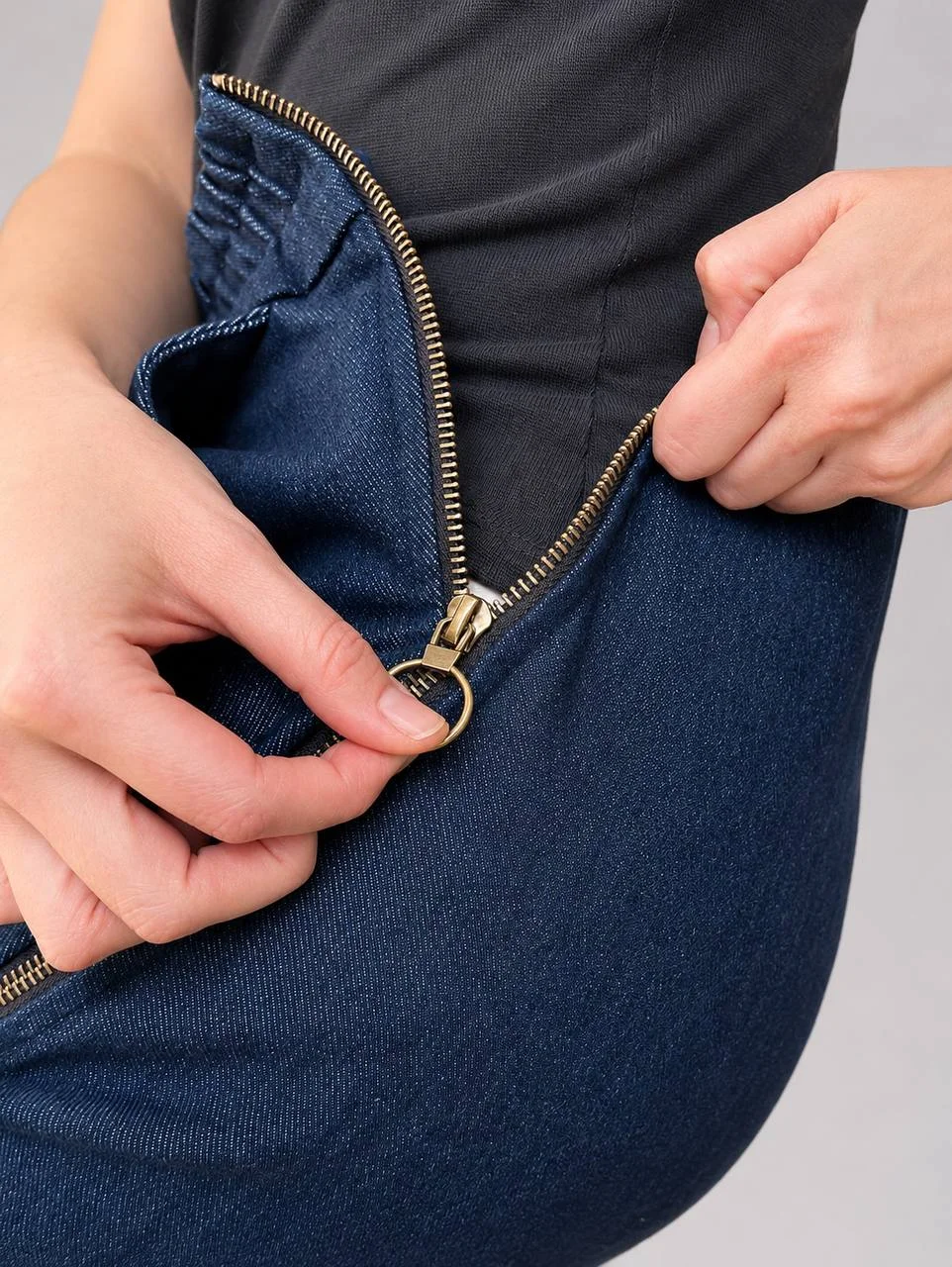
Маржан Габбасова и Teń: как стоматолог создаёт адаптивную одежду для людей на коляске · Фото: пресс-служба Маржан Габбасова
How the idea came about
It all began with volunteering. Talking to families raising children with special needs helped Marzhan better understand the difficulties they face in everyday situations, and later the needs of adults with disabilities.
Another turning point came at the Mrs. Kazakhstan pageant. Contestants were asked to draw up a plan for their first 90 days with the crown, and Marzhan’s focused on inclusion. She won the title of Mrs. Grand International Kazakhstan but decided to put her time and energy into a project that had become important to her by then. Marzhan surveyed people with disabilities, and adaptive jeans were among the first ideas to emerge.
Маржан Габбасова и Teń: как стоматолог создаёт адаптивную одежду для людей на коляске · Фото: пресс-служба Маржан Габбасова
Why jeans are a challenge
“I probably chose one of the most difficult products for my first design: jeans,” Marzhan admits. The hardest part was developing a pattern for people who spend a lot of time sitting.
Fabric was a separate challenge. Kazakhstan has virtually no domestic denim production, so the team had to look abroad for suppliers. They were determined to find fabric with enough cotton that still had stretch.
The complex construction and quality materials drive up production costs. The final price of the first design has yet to be set: the team is still calculating the full cost but wants to keep the price affordable. They are considering manufacturing in Kyrgyzstan and Kazakhstan.
Маржан Габбасова и Teń: как стоматолог создаёт адаптивную одежду для людей на коляске · Фото: пресс-служба Маржан Габбасова
Fashion, not medical clothing
The team wants adaptive clothing to look different from medical or specialist garments, where function often comes first and aesthetics take a back seat. Teń wants to change that approach. Sales have yet to get fully under way, with the team focused on product quality and testing.
The project has no ongoing formal partnerships yet. Marzhan has learned about the work of the Paralympic Centre and wants to collaborate with relevant organisations and communities of people with disabilities.
Маржан Габбасова и Teń: как стоматолог создаёт адаптивную одежду для людей на коляске · Фото: пресс-служба Маржан Габбасова
What Creative Shift has offered
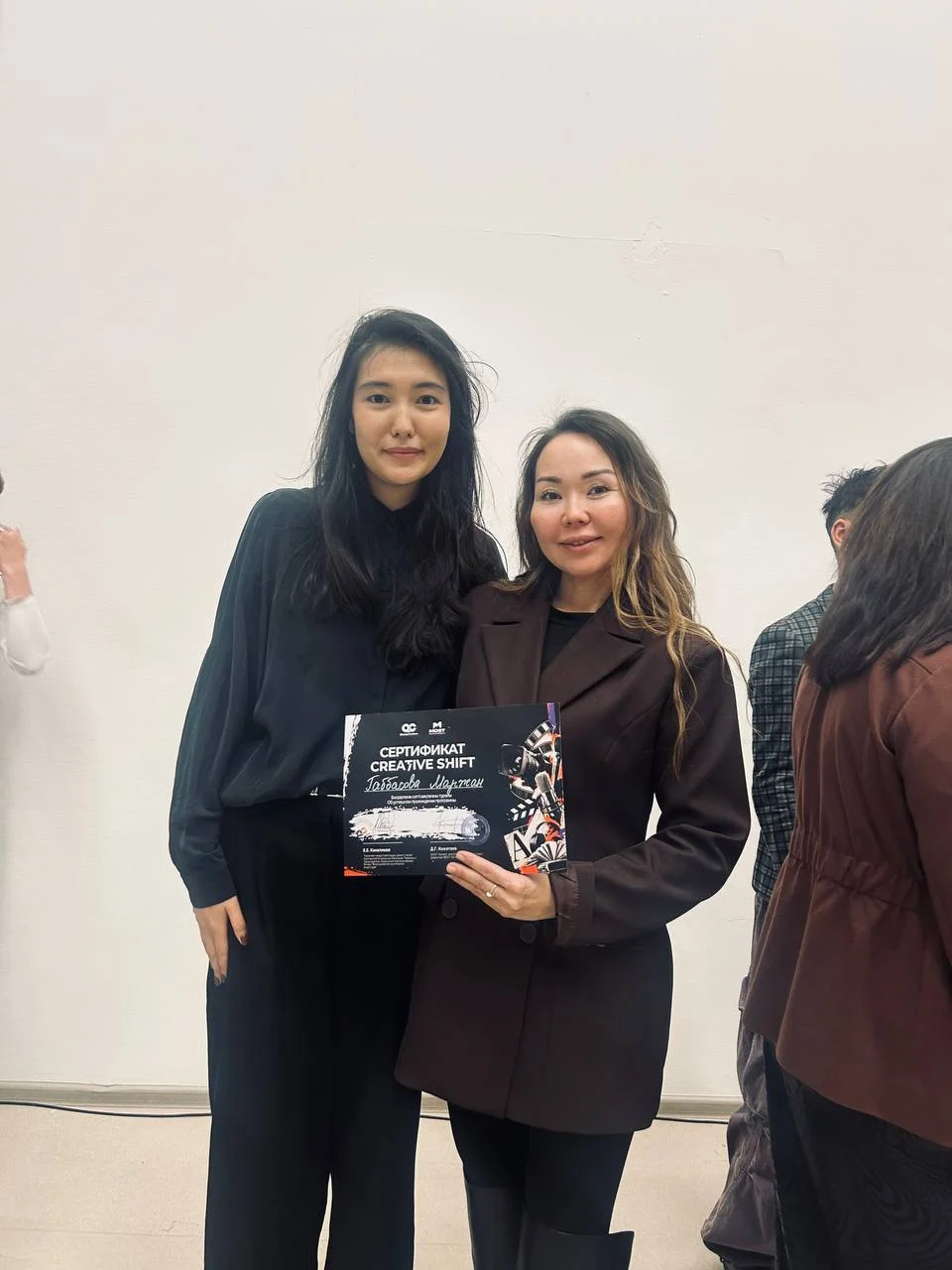
Marzhan has a medical background, while her programme track included artists, sculptors, designers and craftspeople. She says it was there that she discovered her creative side and realised she could be part of the creative industry. Business mentor Aidana Kozhageldina, who has experience in fashion and design, played an important role.
Marzhan hopes the mentoring programme in Astana will offer practical support in strengthening her business model, understanding production processes, planning her market entry and developing the brand.
Маржан Габбасова и Teń: как стоматолог создаёт адаптивную одежду для людей на коляске · Фото: пресс-служба Маржан Габбасова
What comes next
Over the next year, the team plans to finish testing the first design, develop its first adaptive clothing range and launch sales. The project needs partners, expert support, production capacity and investment.
Marzhan’s advice to anyone launching a creative project: “Don’t wait for the perfect moment or try to create the perfect product straight away. Start with an idea, research people’s real needs, test your assumptions and don’t be afraid to change your original plan.”
This article is part of the “Stories of Creative Shift Participants” series. Disclosure: raem.kz editor-in-chief Raimbek Iskendirov is also taking part in the programme.
Маржан Габбасова и Teń: как стоматолог создаёт адаптивную одежду для людей на коляске · Фото: пресс-служба Маржан Габбасова

Маржан Габбасова и Teń: как стоматолог создаёт адаптивную одежду для людей на коляске · Фото: пресс-служба Маржан Габбасова

Маржан Габбасова и Teń: как стоматолог создаёт адаптивную одежду для людей на коляске · Фото: пресс-служба Маржан Габбасова