Photo: Meruyert Kurmet’s archive
Meruert Kurmet is a psychologist, social entrepreneur and the first Kazakhstani fashion model to speak openly about her vitiligo and walk the runway with it. She is now working on a children’s book, “Aya with Stars on Her Skin” — the story of a girl with little white patches on her skin who learns to accept herself. Meruert is taking part in the Creative Shift programme with this project.
Creative Shift is a Qazaq Creative programme for the creative industries. raem.kz continues its series of stories about the participants.
A difference that became a strength
Vitiligo is a skin condition in which a loss of pigment causes white patches to appear on the body. Meruert first developed them at the age of three, on her right hand. By the time she was seven, they had appeared on other parts of her body too.
Her childhood, she says, was difficult. “I faced a lack of understanding, mockery and bullying from other children,” she recalls. The journey from rejecting her appearance to loving herself took many years.
Over time, Meruert did more than accept herself: she made her difference part of her career. She began modelling for Kazakhstani and international brands, and for around eight years she has been sharing her story openly, speaking at events and taking part in social initiatives. People who are just beginning their own journey towards self-acceptance write to her. This led her to develop social projects about vitiligo, self-acceptance and tackling bullying — her ideas include both a book and a film. “I think it’s especially important today to talk to children and parents about these subjects, help build a culture of acceptance and create a society where everyone can feel comfortable,” she says.
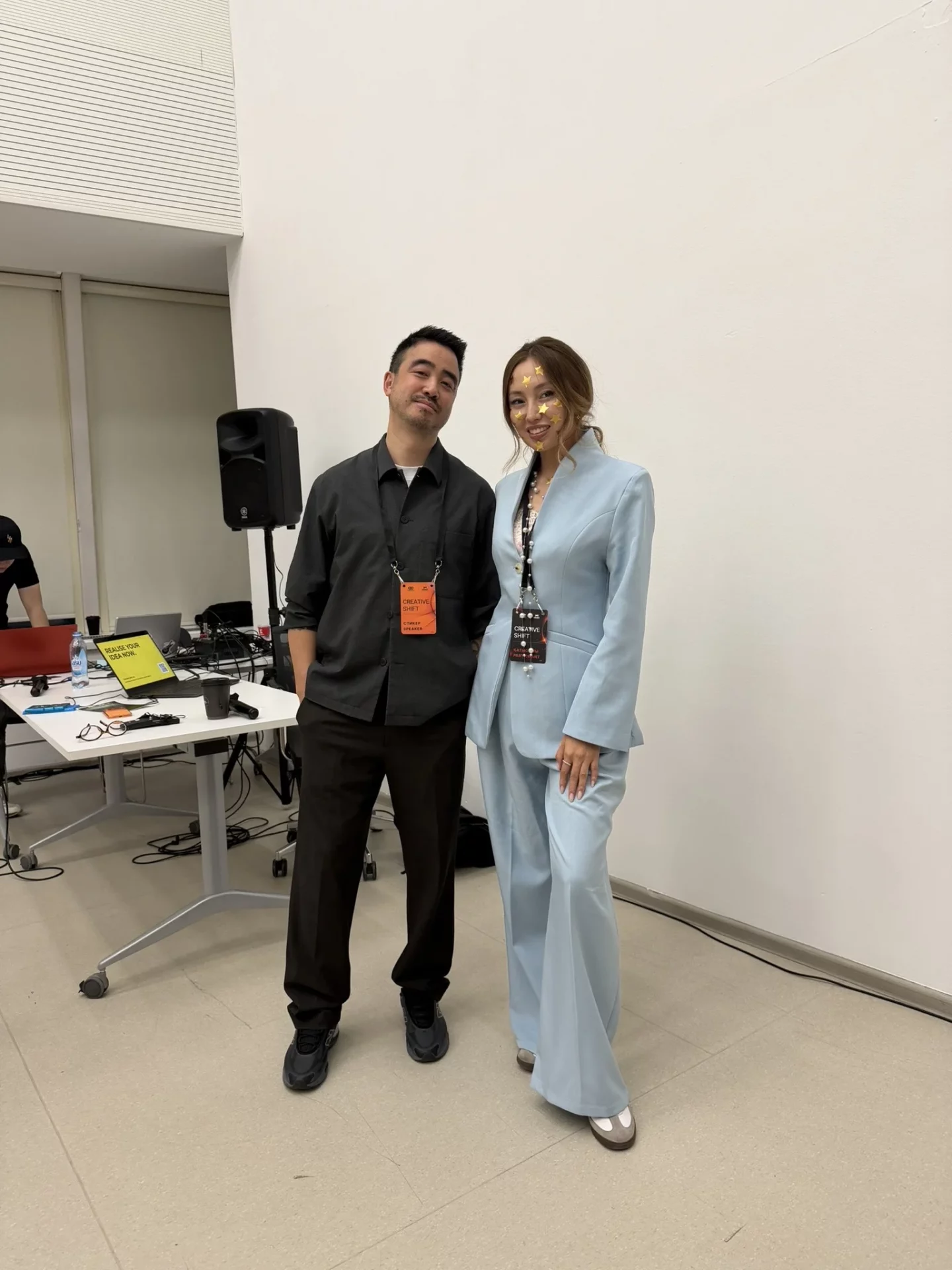
Meruyert Kurmet at an event · Photo: Meruyert Kurmet’s archive
The book she needed as a child
The idea for the book grew out of personal experience. “When I was little, I really needed a story with a main character who looked like me,” Meruert says. At the time, she could not find a book that would help her understand that there was nothing wrong with her and that she did not need to feel ashamed of her appearance.
“Aya with Stars on Her Skin” is an illustrated story about a girl named Aya who develops unusual little white patches on her skin that look like tiny stars. Through her experiences, encounters and discoveries, young readers come to understand that a person’s appearance does not determine their worth.
The title was a deliberate choice. Meruert wanted to turn something society sometimes sees as a flaw into something beautiful and magical: the little white patches become stars — a symbol of individuality and inner light.
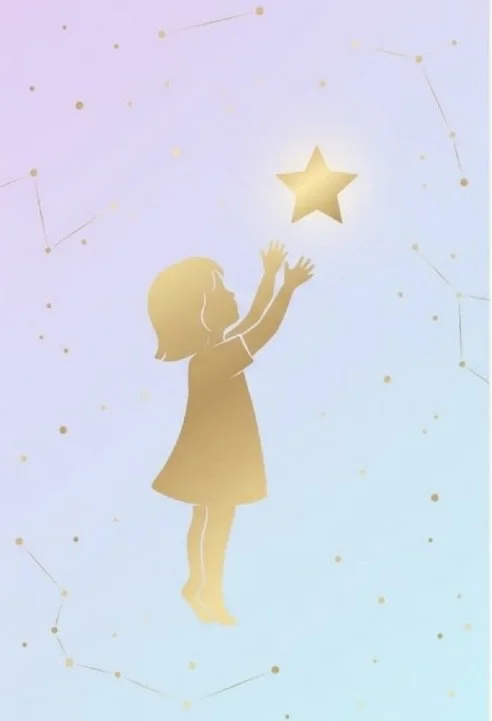
Illustration for the book Aiya with Stars on Her Skin · Illustration: Meruyert Kurmet’s archive
Who the book is for
The book’s main purpose is to help children with vitiligo accept themselves and help other children learn to understand and respect those who look different. That is why the author is writing it not just for families with children who have vitiligo, but for all children, parents and educators: acceptance, kindness and tackling bullying concern everyone.
She wants to create “not just a book, but a real little friend” for children who feel ashamed of their differences, fear other people’s stares and do not want to go to school.
Where the project stands
The book is at the prepress stage. Its concept, mission, target audience and visual direction have been established; the author is working on the text, story structure and illustrations. Meruert wants it to be a book children will enjoy looking through and reading again and again. She is considering editions in Kazakh, Russian and English to reach readers beyond Kazakhstan. Sales have not yet begun: the focus now is on creating a quality product, finding partners and developing a strategy for its future growth.
The hardest part, the author admits, was not writing the story but finding the courage to share it with the world. “When I write about a girl who feels ashamed of her little patches, in many ways I’m revisiting my childhood self,” she says. It brings back memories of wanting to hide her hands and avoid questions about her skin. Over time, though, she says she came to a crucial realisation: “my own experience can become my strength”. “I don’t want children to see vitiligo as something frightening or shameful,” Meruert explains. The second challenge is turning an ambitious social idea into a product: the book needs to engage children, be useful to parents and be well produced. Meruert does not want to rush at the expense of quality.
What Creative Shift brought to the project
The programme helped Meruert see the book in broader terms — as a fully developed social and creative project with a business model that would allow it to sustain itself financially while preserving its social mission. She joined the programme to learn how to structure a creative project and define its business model. She particularly values the feedback from people with experience in creative projects. She says she now understands how to take the project from an idea and manuscript to a finished product, bring it to market and scale it up.
Plans and what the project needs
Over the next year, Meruert wants to publish the book’s first edition, then create an animated film and an audio meditation for children based on it. Education is another area she wants to explore: she would like the book to be used in kindergartens, schools and libraries, and to hold meetings with children, parents and educators about vitiligo, self-acceptance and bullying prevention. In the longer term, she envisions an entire platform of inclusive projects, ranging from children’s literature and animation to educational and digital initiatives.
To make this happen, the project needs a publishing partner, an illustrator and a team to develop the visual concept, partners for the animated film, specialists in child psychology and education to provide an expert review of the text, financial partners and investors, and venues for presentations and meetings.
Advice for those who want to get started
“My main advice is not to wait for the perfect moment or undervalue your idea,” Meruert says. Strong projects, she says, often grow out of personal pain, life experience or a desire to change something that once troubled us.
You do not need a big team, investment and every resource in place from the start. “Sometimes all it takes is to truly believe in what you’re doing and take the first step,” she says. What matters, she adds, is turning an idea into concrete action: researching your audience, finding like-minded people, getting to know experts and being willing to talk about your project.
“I’m convinced that Kazakhstan has enormous potential to develop creative and social projects,” Meruert says. Such projects, she believes, need not only new products but also ideas that change culture and the way people think.