Photo: Paul Seling / Pexels
US-based Cove Kaz Capital bought 70% of the company developing the Severny Katpar deposit in Kazakhstan for $114.8 million. The deal closed in May 2026. Details have now emerged about the investor’s original plans and its ties to Donald Trump’s sons (kursiv.media).
What happened
Bloomberg reported that Cove Kaz initially planned to buy between 75% and 100% of the company holding the Severny Katpar deposit. The US investor ultimately acquired 70%, while Tau-Ken Samruk retained 30%.
The details appear in 23 pages of US Export-Import Bank documents obtained by Bloomberg journalists. The bank was being considered as a lender to the project. Economist Arman Batayev, who runs the Finmentor channel, summarized the documents’ main points.
How the $1.2 billion was to be spent
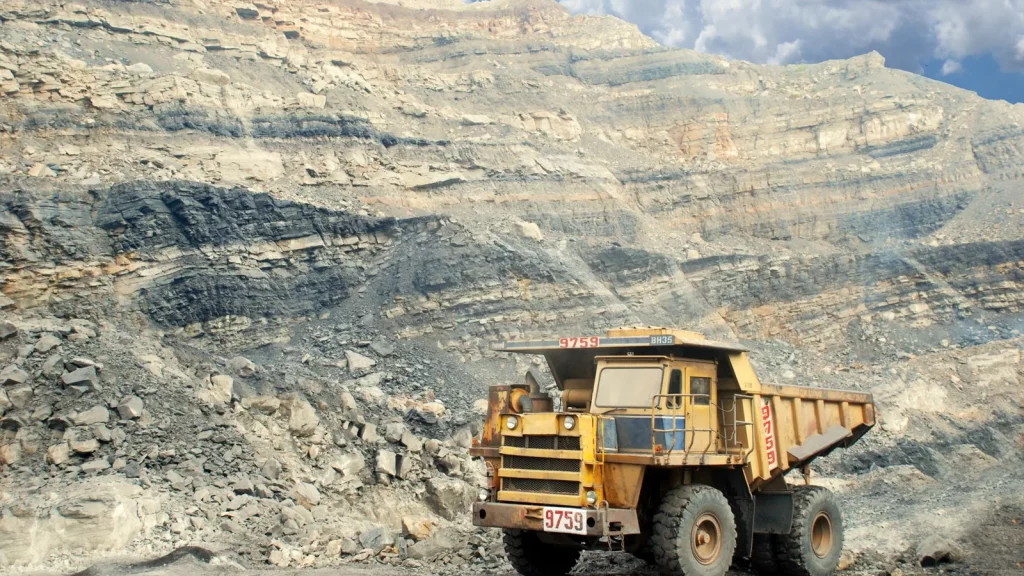
Total investment in the project was estimated at $1.2 billion. Plans called for $400–450 million to develop Severny Katpar in the Karaganda region. Building a processing plant was estimated to cost another $75–100 million.
The next stage was to develop Verkhneye Kairakty at a cost of $550–650 million. Preparations for construction were budgeted at another $20 million and expected to take about two years. The plan was to cover some operating costs by extracting molybdenum, copper and bismuth as by-products.
What this means for the project
Under the plans, the two deposits could supply up to 90% of current US tungsten imports. Severny Katpar was expected to produce 5 thousand tonnes and Verkhneye Kairakty 6 thousand tonnes. These are projected volumes that the project has yet to achieve.
Here’s an important detail: US government lenders have yet to approve $1.6 billion in financing. Bloomberg reported that they were concerned about the project’s prospects and geopolitical risks, including Kazakhstan’s proximity to China and Russia.
How the project is linked to Trump’s sons
Donald Trump Jr. and Eric Trump invested in Skyline Builders through American Ventures. Skyline later agreed to merge with Cove Kaz Capital and Kaz Resources, but the parties abandoned the merger in November 2026.
Under the new agreement, Skyline is to receive about 26% of Cove Kaz. Bloomberg and The Wall Street Journal reported that the brothers’ indirect stake would be less than 1%. Their representatives said the brothers do not manage the business; Cove Kaz denied their involvement in the Kazakhstan deal.
Cove Kaz is preparing a feasibility study to refine the project’s costs, production volumes and economics. Once it is ready, the company plans to formally begin seeking project financing.