Photo: SD-Pictures / Pixabay
Almaty Electric Stations (AlES) has raised nearly 34.77 billion tenge through bonds on the AIX exchange (kursiv.media). The company, which owns Almaty’s three combined heat and power (CHP) plants, will repay the debt with accrued interest in 2039. Investors will receive no annual payments.
34.77 million bonds at 1 thousand tenge each
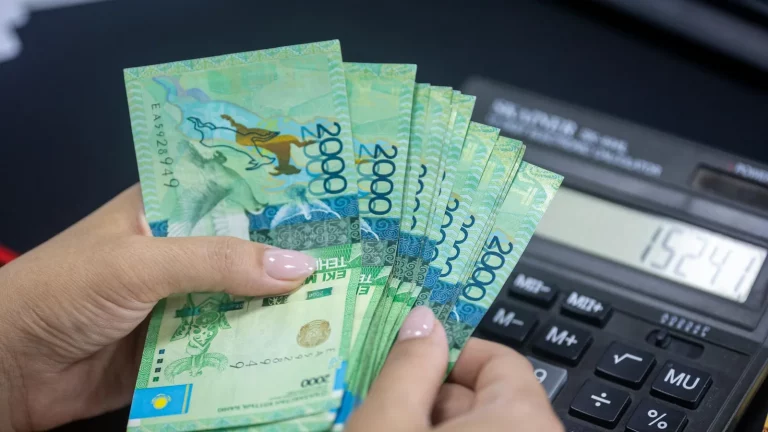
AlES placed the 13-year bonds on 18 November 2026. The company issued 34.77 million bonds with a face value of 1 thousand tenge each and sold them at face value. The arithmetic: 34.77 million bonds × 1 thousand tenge = 34.77 billion tenge raised.
The issue is part of Samruk-Energy’s liquidity management programme of up to 800 billion tenge. The programme runs until July 2044. Samruk-Energy owns all shares in AlES.
Interest accrues annually, with payment due in 2039
The bonds carry a floating interest rate, calculated as the TONIA Compounded index plus a fixed margin of 1%. The index reflects the weighted average rate on overnight repo transactions, and the bond rate will be reset once a year.
Here’s a detail for bondholders: annual interest accrual does not mean annual payments. AlES will add the interest to the bonds’ face value. The amount due at maturity will therefore grow as interest accumulates.
For a comparison with other issues, raem.kz has an article on bond repayments. AlES’s bonds mature on 18 November 2039. The company must repay the principal and accrued interest within the following 10 business days.
The register of bondholders will close on 17 November 2039.
AlES may redeem all or part of the issue early. This will require prior written consent from bondholders.
Bondholders rank behind other creditors
The bonds are subordinated debt. If AlES runs into financial trouble, payments on them come after ordinary unsecured bonds and senior subordinated obligations.
The company has also agreed to restrictions for the full term of the bonds. It has committed not to sell assets worth 25% or more of its total asset value. Another condition is to avoid defaults on other obligations exceeding 10% of its assets.
AlES must maintain its core business, legal form and the bonds’ listing on AIX.
In the issue documents, the company identified tariff regulation as one of the risks. The Committee for Regulation of Natural Monopolies may refuse tariff increases. The government may also hold tariffs down to curb inflation.
Other risks listed relate to investment projects: currency fluctuations could increase their cost, and contractors could delay work. AlES also cited falling demand or an electricity surplus in the market, tighter environmental requirements and stricter greenhouse gas emissions quotas.
AlES meets 70% of the region’s heating needs
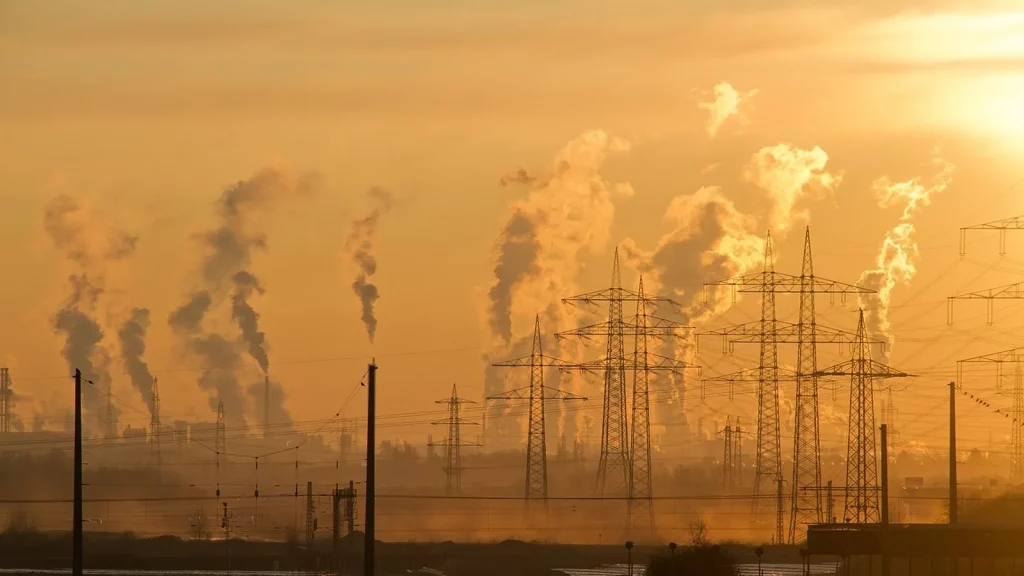
The company meets around 72% of electricity demand and 70% of heating demand in Almaty and the Almaty Region. Alongside the three Almaty CHP plants, its facilities include the Kapshagay Hydropower Plant and the Cascade of Hydropower Plants. One of AlES’s largest investment projects is converting CHP-2 from coal to gas.
According to an Energy Ministry statement dated 19 September 2026, the CHP-2 project was 93.75% complete (gov.kz). Delivery of process equipment was 100% complete, and the project had almost caught up with its original schedule.
The ministry planned to complete all systems integration and commission the plant by the end of December 2026.
CHP-3 has a different completion schedule. In July 2026, Prime Minister Olzhas Bektenov ordered its modernisation to be completed by the end of the year. He said Samruk-Energy’s executives would be personally responsible for meeting the deadline. In September, CHP-3 was reported to be 27.09% complete.
On 28 October, it emerged that Kairat Maksutov had been dismissed as head of Samruk-Energy. The reason was insufficient oversight of deadlines for building and commissioning new generating capacity.