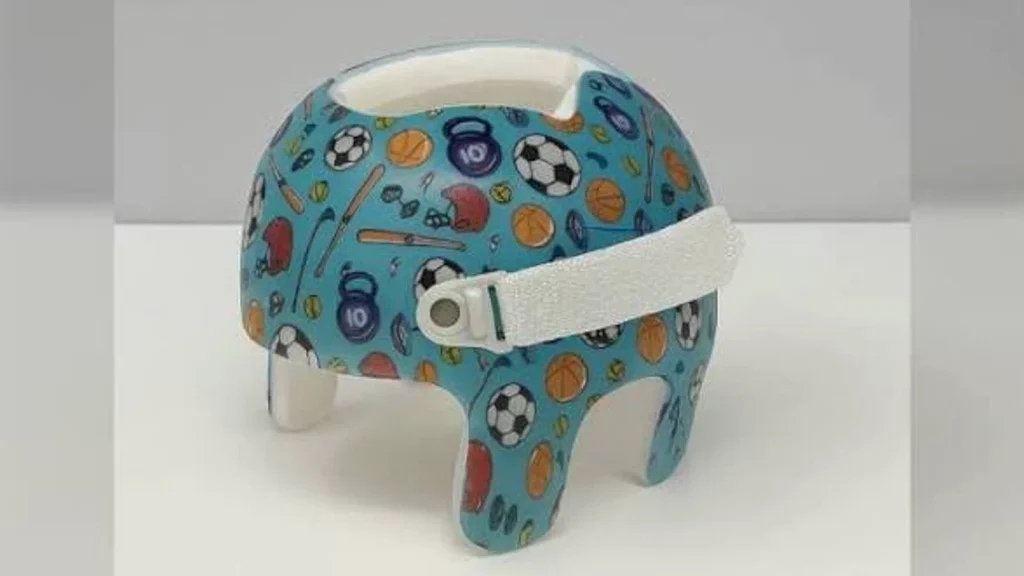
Photo: JUDE
Startup JUDE is developing an AI platform for designing custom orthoses. The company says the platform made modelling roughly three times faster in a preliminary test. The team started with helmet orthoses and has shown prototypes to specialists at the Saigak Orto clinic, according to a letter from the JUDE team.
JUDE starts with helmet orthoses
JUDE helps create digital models of custom medical devices. The team is currently focused on helmet orthoses and wants to expand the platform to other parts of the body in the future.
When designing an orthosis manually, a specialist processes a 3D scan, adjusts the shape and prepares the model for production. The company’s preliminary estimate puts the time needed to model one orthosis at up to 90 minutes, or an hour and a half.
The team wants to cut that time so specialists can spend more time with patients and checking the quality of the devices. It plans to automate some of the steps involved in preparing a model.
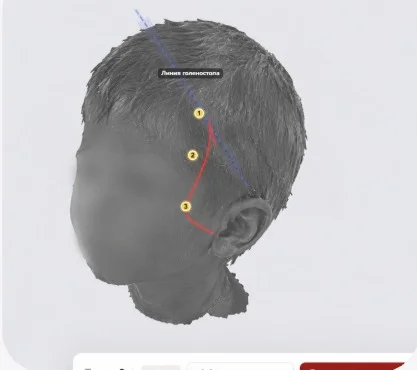
A 3D head model with colored lines and numbered markers. · Photo: JUDE
A technician checks the model before production
The platform uses a patient’s 3D scan and individual measurements. JUDE uses these to generate the basis of a CAD model, a digital design of the device that will later be manufactured.
A technician then checks the result. If needed, the specialist makes changes and approves the model before production.
The team plans to keep the technician’s review as it develops the platform. It wants to make modelling faster and more accurate while allowing specialists to adjust the proposed shape.
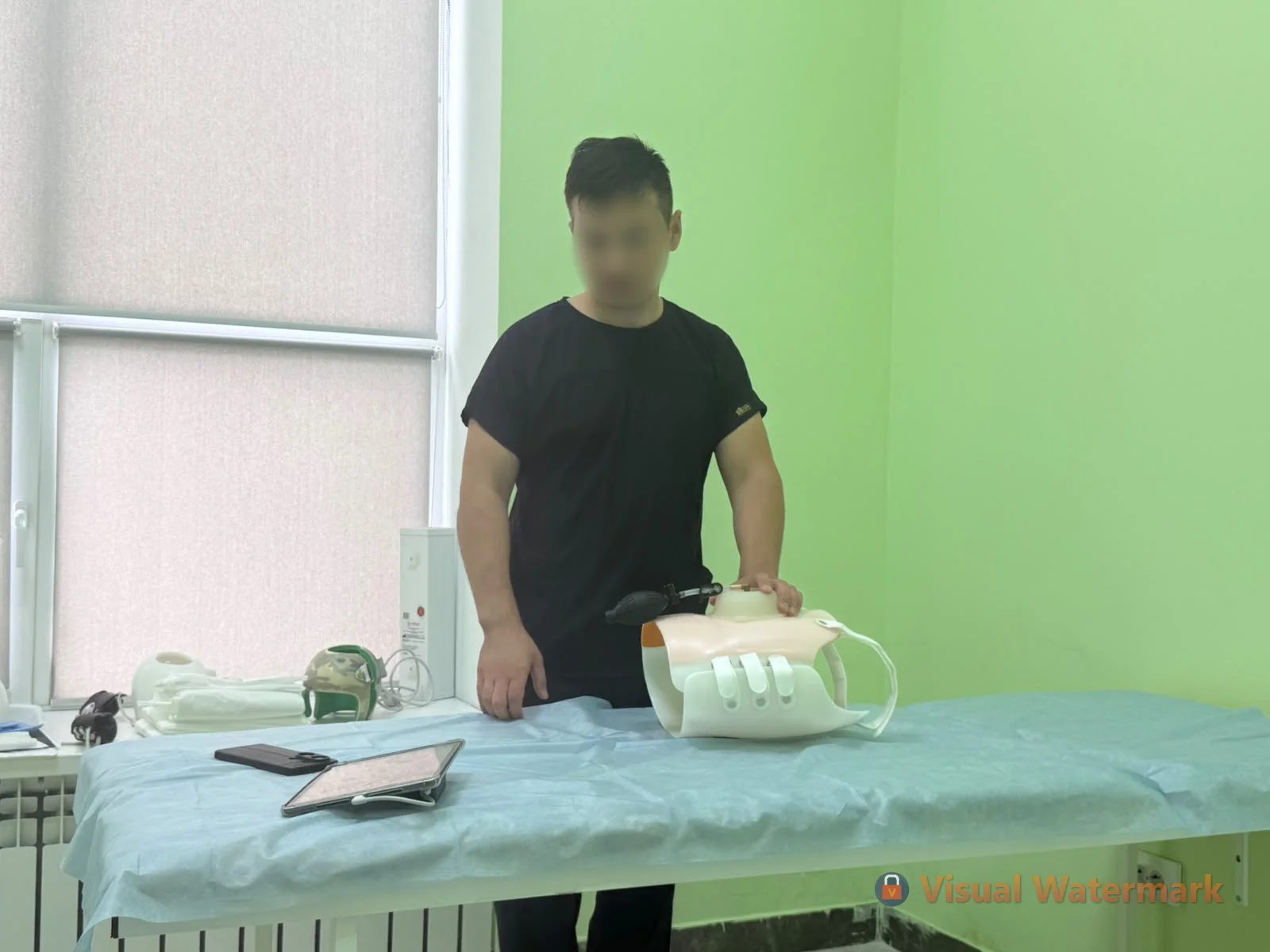
A person demonstrates an orthosis in a room with a medical examination table. · Photo: JUDE
A test with 10 scans showed faster modelling
The company says it used 10 3D scans to test JUDE’s minimum viable version. It compared manual modelling by technicians with modelling using the platform.
The team compared the time taken and other aspects of the process. It estimates that JUDE made modelling roughly three times faster on average in this test.
The test also showed that the generated models needed to be more accurate. The team is now refining its AI and machine learning algorithms to improve the results.
The company’s next goal is to make modelling 6–9 times faster than the manual process. That is a development target; so far, the team has recorded a roughly threefold speed increase in its preliminary test.
JUDE is aimed at orthosis specialists and clinics
JUDE is aimed at specialists who design orthoses and at orthopaedic clinics. The team hopes to integrate the platform into companies’ workflows and get feedback from specialists.
The first prototypes have already been shown to staff at Saigak Orto. The team says it gradually refined the product based on their feedback.
Other local medical solutions are covered in our article on Kazakhstani projects for patients and clinics. Another example of automating routine professional tasks is Ustaz AI, a service for teachers.
Two people are building JUDE
Dariya Bekbolat leads the business side and handles partnerships. Ayaulym Balginbayeva handles the technical side and develops the web platform. The company says the team has two people.
The team came up with JUDE while researching healthcare and talking to specialists. During that research, they met someone who worked with 3D printers. He told them how 3D printing was used for custom medical devices.
The team then took a closer look at the orthotics market, how orthoses are made and the difficulties specialists face. That led to the idea of using AI to automate the design process.
“We decided to start with helmet orthoses, and in the future we plan to expand the platform to other parts of the body,” the JUDE team explains.
The team plans to expand its training data and work with more clinics
The main task now is to speed up JUDE’s development and improve the model’s performance. The company said in its letter that it has around 100 scans available for training. The team plans to expand this collection and continue training.
The team sees working with new companies and orthopaedic clinics as its next major step. It plans to introduce JUDE into real workflows and get feedback from specialists.
Further ahead, it plans to enter the markets of Kazakhstan and other CIS countries. The team also intends to seek partners and raise investment to develop the technology.
Startup Radar: JUDE