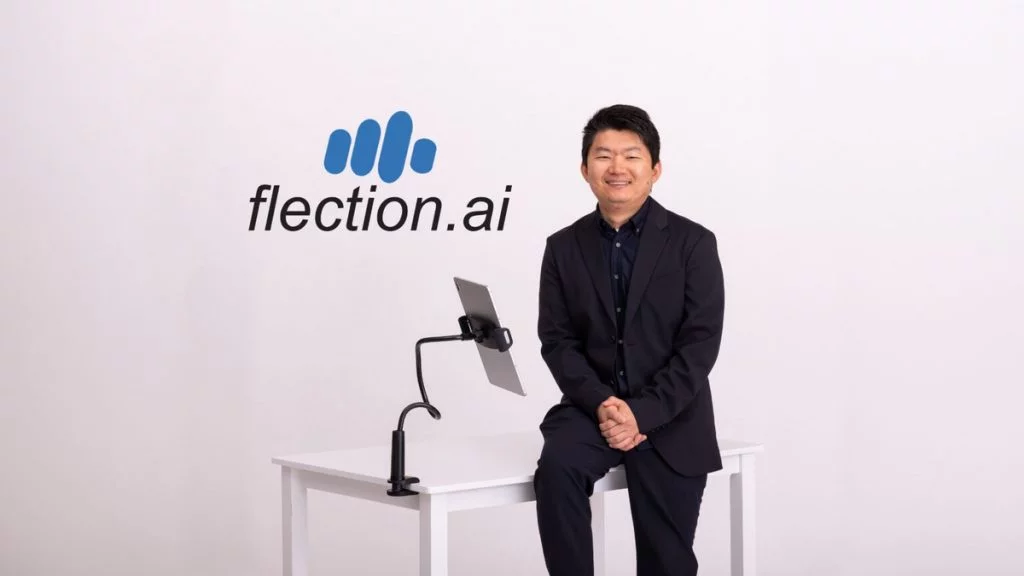
Motor recovery and speech rehabilitation following an acute stroke is an arduous, multi-month endeavor traditionally requiring expensive clinical equipment and constant physical supervision. Kazakhstani deep-tech startup flection.ai, founded by Nazarbayev University (NU) biomedical engineers Alexander Pak and Mukhtar Sadykov, engineered a breakthrough remote neurorehabilitation solution requiring nothing more than a standard consumer webcam.
Gamified Computer Vision Therapy Without Wearable Hardware
The flection.ai platform deploys cutting-edge computer vision models to track patient joint kinematics and micro-movements through the webcam of a laptop, tablet, or smartphone:
- Sub-Millimeter Finger & Facial Tracking: Proprietary neural architectures analyze movement velocity, range of motion, and symmetry in real time without bulky exoskeletons or specialized glove sensors;
- Therapeutic Gamification: Repetitive physical exercises are structured into interactive, engaging video games that stimulate neuroplasticity and sustain patient adherence;
- Remote Neurological Monitoring: Attending physicians access objective numerical telemetry of joint velocity and recovery trajectories, adjusting exercise protocols remotely.
Deeptech Baige Win and NYU Stern Mentorship
The startup secured 2nd place and a 10 million KZT grant at the prestigious Deeptech Baige competition, backed by the NU Impact Foundation and JAS Ventures. Following incubation with NYU Stern mentors, flection.ai launched successful clinical pilot trials across medical rehabilitation centers in Astana, proving the clinical viability of accessible AI telerehabilitation.