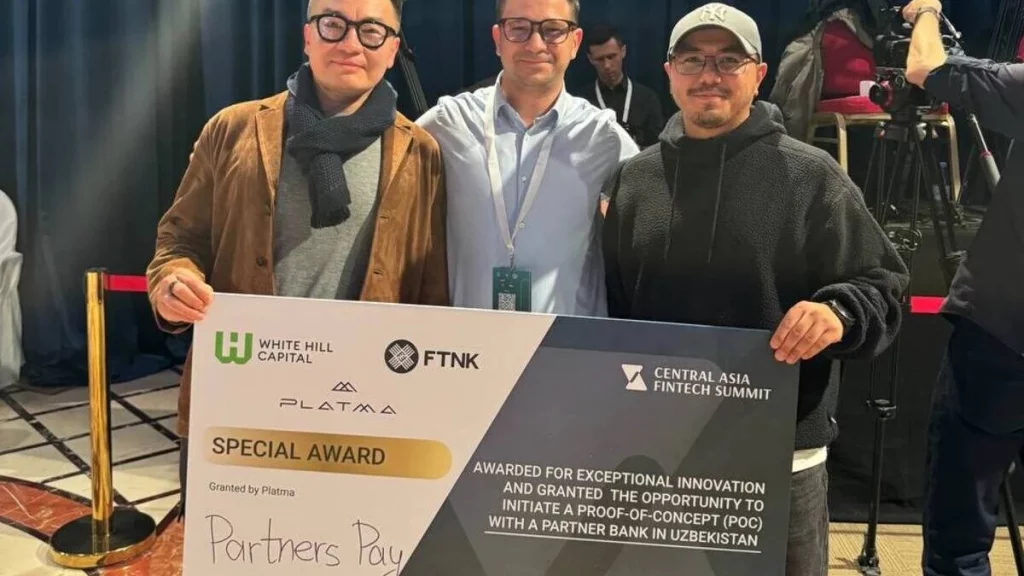
Kazakhstani fintech startup Partners Pay, specialized in automated mass payout infrastructure and digital contractor compliance for the gig economy, secured $300,000 in venture funding from prominent entrepreneur Askhat Sagdiyev (Chairman of the Board at MOST Holding). The financing round valued the company at $4 million. The project also won the prestigious Open RBK Contest hosted by Bank RBK, Visa, and Astana Hub, receiving non-dilutive grant funding and direct integration into tier-1 Banking-as-a-Service (BaaS) rails. The company was founded and is led by CEO Azamat Zharylkassyn.
Fintech Infrastructure for the Self-Employed and Gig Workforces
The explosive expansion of courier delivery networks, ride-hailing taxi fleets, digital marketplaces, and creative agencies has made managing recurring payouts to thousands of independent contractors an administrative nightmare. Manual spreadsheet processing consumes days of accounting labor and creates severe fiscal compliance risks. Partners Pay resolves this with an integrated B2B product suite:
- Instant Batch Payouts: Automated routing disbursements to debit cards issued by any domestic or foreign bank within seconds;
- Digital Contractor Document Flow: Remote execution of independent service agreements and completion certificates authenticated via state digital identity gateways and SMS/EDS verification;
- Automated Tax Compliance: Seamless calculation and automated withholding of Individual Income Tax (IIT / ИПН) and mandatory social security contributions in full compliance with Kazakhstani tax codes;
- Payout Working Capital Financing: Overdraft liquidity facilities for corporate clients to prevent cash-flow gaps during high-volume contractor settlement cycles.
Regulatory Licensing and Regional Expansion into Uzbekistan
The platform operates under an official payment organization license granted by the National Bank of the Republic of Kazakhstan. The newly secured $300,000 round is deployed to reinforce domestic market share, expand working capital financing lines, and accelerate commercial rollout across Uzbekistan and the United Arab Emirates (UAE).