Photo: cottonbro studio / Pexels
Kazakhstan is proposing a tax deduction of 150% of mandatory product labelling costs and a fivefold cut in the rate charged for irrigation water. These measures are still part of a bill and have yet to be adopted. The Ministry of National Economy also outlined proposed changes for digital asset owners, investors and recipients of scholarships from abroad, according to inbusiness.kz.
Businesses could deduct 150% of labelling costs
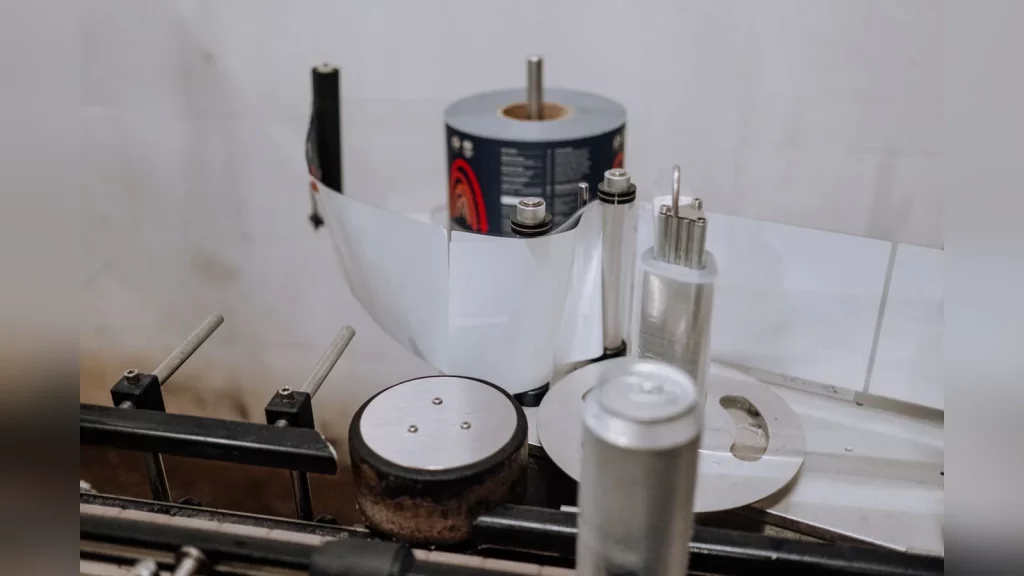
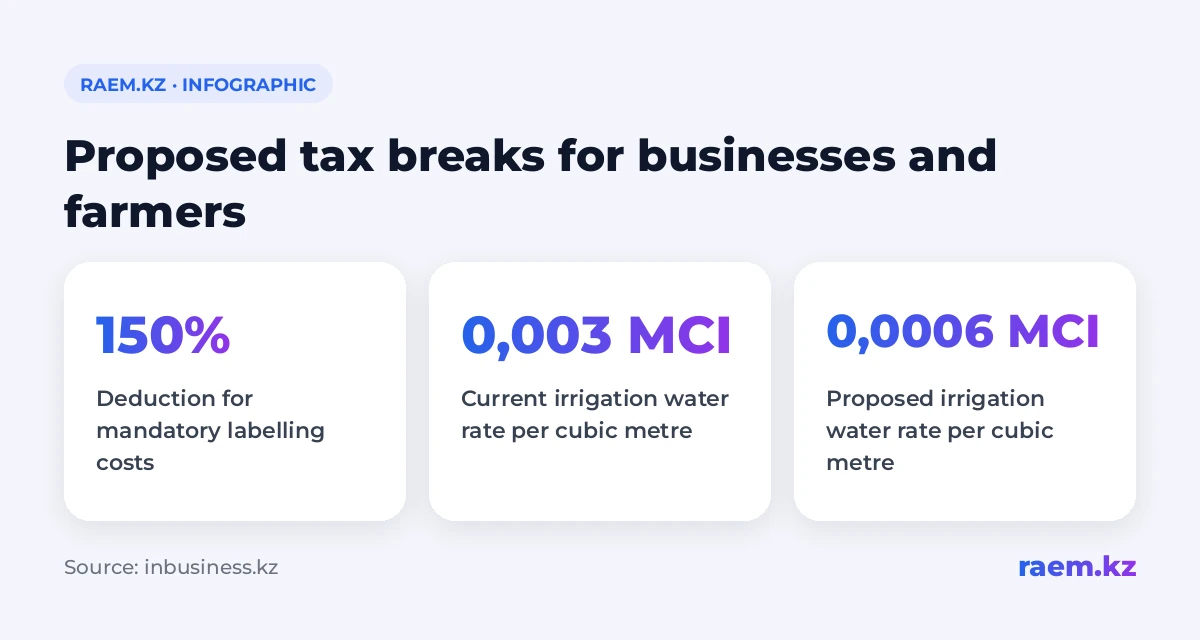
Businesses could deduct 150% of their actual spending on mandatory product labelling. The ministry explains that they would be able to claim one and a half times the cost of labelling equipment when calculating their taxes.
Here’s an important detail: 150% is the share of expenses that could be deducted from income when calculating tax. The measure is intended to reduce a company’s taxable income and partly offset equipment costs.
The irrigation water tax rate could fall fivefold
The proposed change would cut the tax rate for irrigation water from 0.003 to 0.0006 monthly calculation indices per cubic metre. That is a fivefold reduction. The monthly calculation index, or MCI, is used to calculate taxes and other payments.
There are also plans to abolish the signing bonus. The ministry estimates that both measures would help farmers reduce irrigation costs.
Income tax exemptions could cover digital asset gains
Individuals could be exempt from personal income tax on capital gains from selling digital assets. The condition is that the sale must go through registered providers.
Holders of the “Altyn Visa” and their family members would receive a separate set of exemptions covering income, property and land taxes. They would also be exempt from declaring income and assets.
Tax breaks are also being prepared for people receiving scholarships and grants directly from foreign universities. Another measure concerns investors: there are plans to abolish the fee for confirming investment tax resident status at the Astana International Financial Centre.
The bill would reduce invoice and reporting requirements
The bill proposes scrapping electronic invoices for certain interest payments on bank loans, other loans and microloans. This applies to interest payments exempt from value-added tax, or VAT.
For services received from non-residents, the deadline for issuing electronic invoices would be extended until the VAT return is filed. Businesses would also no longer have to submit information on water, gas and heating services, waste collection and lift maintenance.
POS terminals could serve as cash registers
The bill would allow POS terminals to be used as cash registers. The aim is to reduce businesses’ spending on cash register equipment.
There are plans to use the digital tenge for VAT refunds. Refunds without a tax audit would be allowed if the specified conditions are met. The ministry did not specify those conditions in its response.
The bill still needs to go to the Kurultai
According to the ministry, the bill has undergone public consultation and been cleared by government agencies. It has been sent to the Government Office and the Presidential Administration. The next step is to submit it to the Kurultai for consideration.
For now, these are proposed changes to the Tax Code. If you are planning to spend on labelling or irrigation, factor in the amendments’ progress when estimating future savings.
For specific tax tasks, see the article on the TaxExpress service. IT businesses can also read a separate explainer on tax breaks for Astana Hub participants.