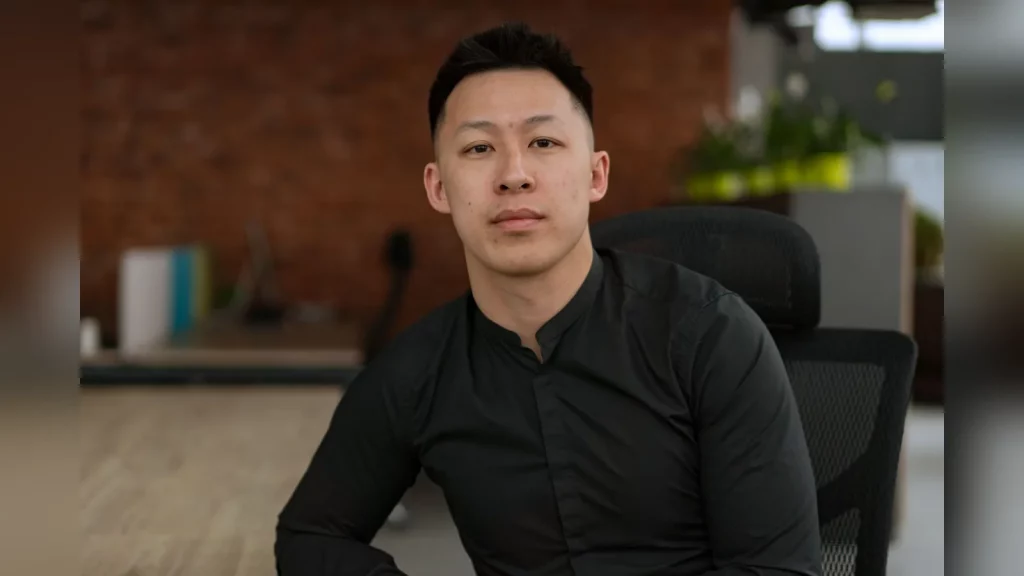
Photo: Mikhail Nilov / Pexels
Mark Inger, a 19-year-old entrepreneur from Almaty, said his AI startup Pleep became profitable in spring 2026. Nearly 200 companies in 17 countries use the service, he said. After shifting its target audience and raising prices, revenue has been growing by around 30% a month since June, according to the founder (digitalbusiness.kz).
What happened
Pleep builds AI-powered text and voice agents for sales and customer support. Companies can configure the agents themselves without technical knowledge. Inger names Tele2/Altel, ProsperPay, Imbir Thai Spa, EasyTap and Qutty Band among its clients.
The team initially targeted microbusinesses but struggled with high customer churn. According to Inger, clients dropped the service even when their sales results improved. For about six months, new customers merely replaced those leaving, and the business stopped growing.
The team raised prices and focused on larger companies. It spent the first half of 2026 testing ways to attract these clients. Growth resumed in June, according to the founder: there are fewer clients, but revenue is increasing.
What this means for clients
In late June, Pleep introduced a pay-per-sale model in place of its usual subscription. Companies pay for the results their agent delivers. This model now accounts for 90% of Pleep’s own new sales, Inger said.
“For clients, it’s more attractive, but for us, it’s much more complicated: revenue and costs are hard to forecast,” the entrepreneur explained.
The team therefore introduced a small minimum payment for some clients to cover operating costs. According to Inger, many clients switch to a subscription after a few months, once they see the results the service delivers.
How Mark Inger got the business growing again
In autumn 2025, Inger left to study at Duke Kunshan University in China. He had less time to run the company, and sales fell. In early 2026, he returned to Almaty and focused on Pleep. He later dropped out of university.
The team now has five people. Inger runs the company, while co-founder Robert Arakelyan handles the technical side. The startup previously raised $100 thousand from Impala Partners. After becoming profitable, the partners decided to strengthen the business before raising further investment.