
Medical technology (MedTech and HealthTech) is traditionally regarded as one of the most conservative and tightly regulated sectors of venture business. Unlike consumer mobile apps or standard enterprise SaaS, the margin for error here is measured in human lives, and the journey from initial prototype to clinical deployment demands years of rigorous trials, medical device certification, and airtight patient data privacy. Nevertheless, Kazakhstani engineering talent is challenging international boundaries, building deep-tech diagnostic algorithms that compete directly in Silicon Valley and across global healthcare systems.
Summary Table: Top 7 MedTech Startups in Kazakhstan
| Startup | Founders / Leadership | Core Technology | Clinical Impact & Traction | Target Geographies |
|---|---|---|---|---|
| Cerebra AI | Doszhan Zhussupov | Automated Ischemic Stroke CT Detection | Analysis in <4 mins; 40+ stroke centers; StartX alumni | Kazakhstan, MENA, USA |
| Aidentis | Asylzat Issatay, Zhanibek Bokayev | 3D CBCT Dental Diagnostic AI | Stanford StartX; 95%+ precision on caries & bone loss | USA, Europe, Central Asia |
| Defect AI (Rette) | Sanzhar Myrzagalym, Kuanysh Idrissov | Clinical EHR Audit via Medical LLMs | TechCrunch Disrupt finalist; Stanford StartX cohort | USA healthcare market |
| Med365 | Chingiz Kulakhmetov | Automated Medical Screening Terminals (ASMO) | Pre-shift checkup in 60s; 1,000+ units in industrial giants | Kazakhstan, Central Asia, CIS |
| flection.ai | Alexander Pak | Computer Vision for Physical Therapy | Real-time biomechanical tracking via smartphone camera | Central Asia, Southeast Asia |
| ZebraEye | Yana Ten | AI Retinal & Orphan Ocular Pathology Screening | Early detection of glaucoma & diabetic retinopathy | Kazakhstan, Global trials |
| Hemo.Labs (Umaia) | Alua Musralina | Preventive Blood Analytics & Risk Modeling | Predictive health scoring and early chronic disease alerts | Kazakhstan, UAE |
1. Cerebra AI: Winning the “Golden Hour” in Acute Stroke Care
Ischemic stroke is among the leading causes of mortality and long-term disability worldwide. In acute stroke management, time is the ultimate arbiter: every minute of delay destroys approximately 1.9 million neurons. The clinical bottleneck lies in analyzing non-contrast brain CT scans to determine whether thrombolysis or mechanical thrombectomy is safe and viable.
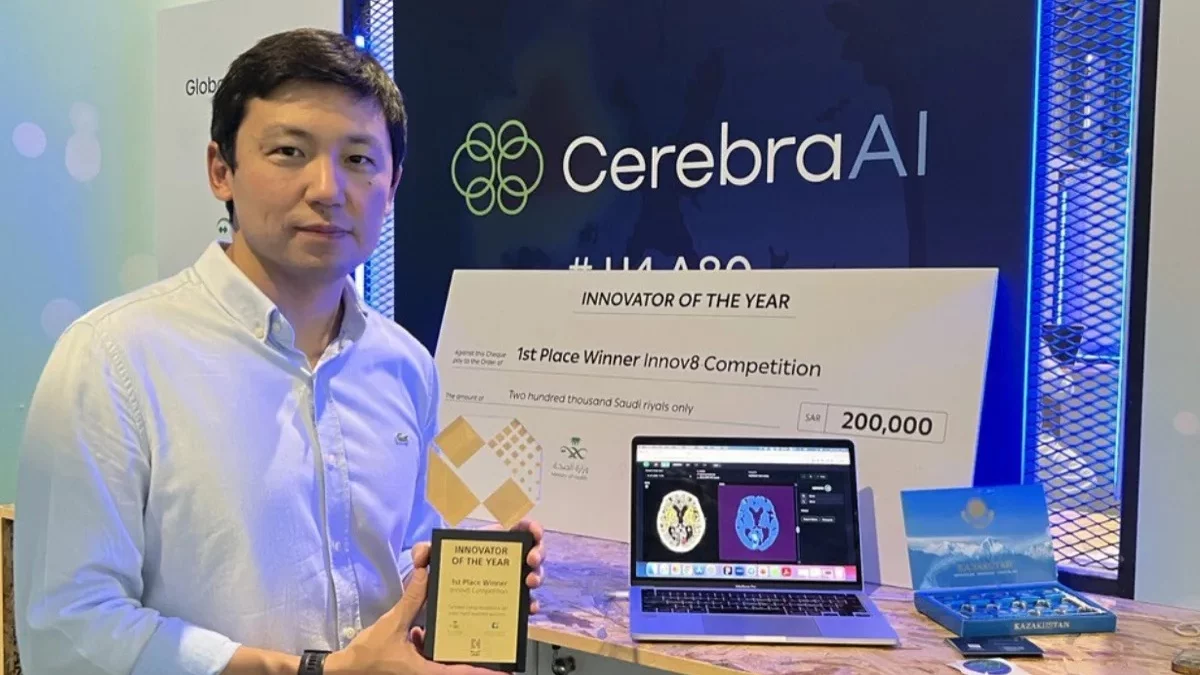
Founded by Doszhan Zhussupov, Cerebra AI developed deep neural networks that analyze brain CT scans in under 4 minutes, automatically detecting ischemic core penumbra, calculating ASPECTS scores, and alerting radiologists via a secure mobile interface. Cerebra is deployed across more than 40 stroke centers in Kazakhstan, completed the Stanford StartX acceleration program, and has raised multi-million-dollar funding to enter the US and MENA healthcare markets.
2. Aidentis: AI Dental Revolution and Triumph at Stanford StartX
Dentistry and maxillofacial radiology are rapidly embracing 3D cone-beam computed tomography (CBCT). However, manually segmenting teeth, measuring alveolar bone levels, and diagnosing hidden proximal caries across hundreds of volumetric slices requires up to 45 minutes of a doctor’s time per scan.
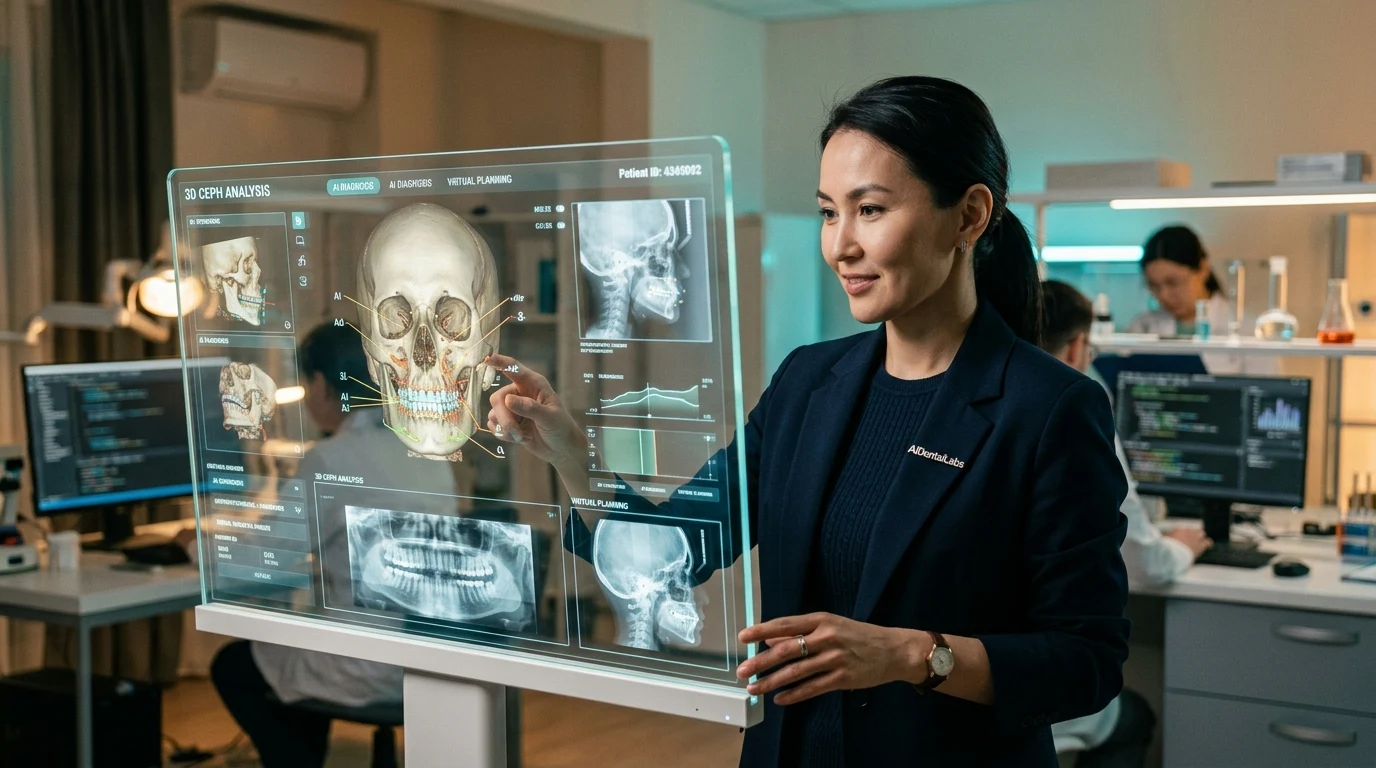
Kazakhstani founders Asylzat Issatay and Zhanibek Bokayev built Aidentis, an AI platform that performs full volumetric segmentation and diagnostic mapping of dental CBCT scans in under two minutes with over 95% clinical precision. Accepted into the highly selective Stanford StartX accelerator, Aidentis has established commercial pilots with major dental clinic networks in the US and Europe.
3. Defect AI (Rette): Clinical LLM Auditing for US Hospital Records
In the US healthcare system, diagnostic oversights, undocumented comorbidities, and discrepancies between electronic health records (EHR) and clinical guidelines lead to billions of dollars in rejected insurance claims and compromised patient outcomes.
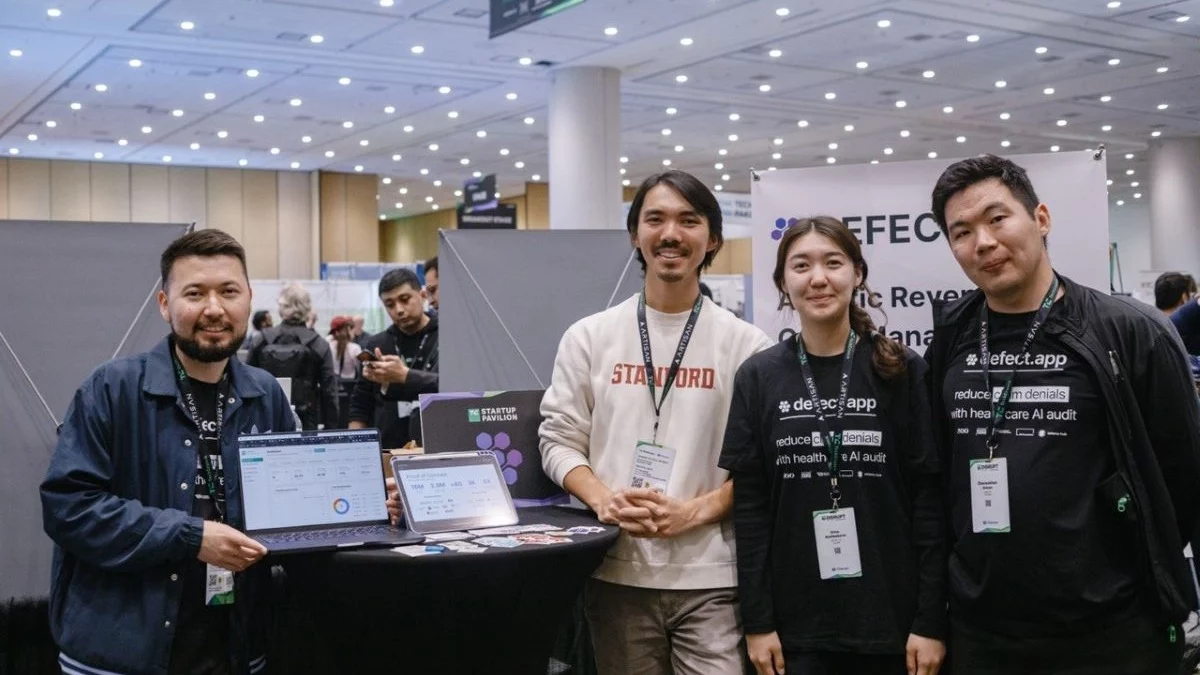
Kazakhstani entrepreneurs Sanzhar Myrzagalym and Kuanysh Idrissov founded Defect AI (Rette). The startup built medical-grade large language models that review complex patient clinical histories, cross-reference lab results with ICD-10 coding standards, and flag critical omissions in real time. The team became a finalist at TechCrunch Disrupt Startup Battlefield in San Francisco and joined the Stanford StartX community, securing enterprise contracts with American hospital networks.
4. Med365: Industrial Health Screening in 60 Seconds
Across Kazakhstan’s mining, metallurgical, energy, and heavy transport sectors, hundreds of thousands of shift workers undergo mandatory pre-shift medical examinations daily. Manual examinations by nurses create massive shift handover queues and suffer from subjective bias or human fatigue.
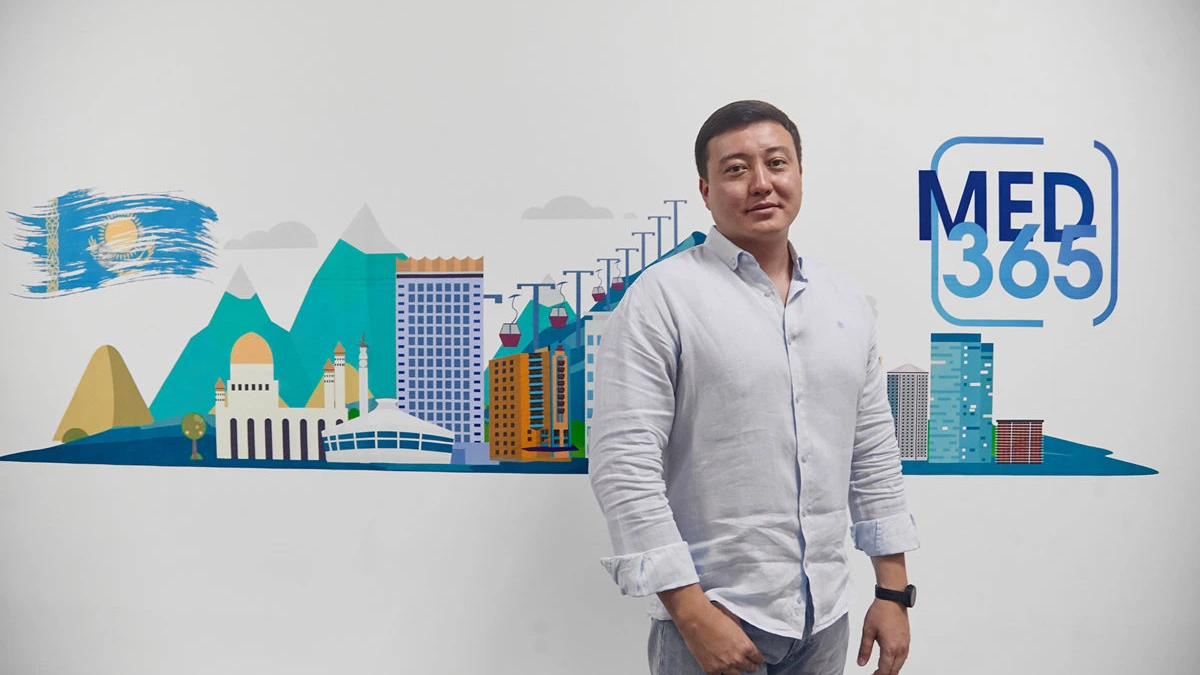
Founded by Chingiz Kulakhmetov, Med365 developed automated medical screening terminals (ASMO). In just 60 seconds, the terminal measures arterial blood pressure, pulse, body temperature, pupil reaction, and breath alcohol concentration, automatically issuing an electronically signed fitness clearance. Med365 has deployed over 1,000 terminals across industrial enterprises, conducting millions of automated pre-shift screenings annually.
5. flection.ai: Neuro-Rehabilitation via Smartphone Computer Vision
Following a stroke, severe brain injury, or major orthopedic surgery, continuous and disciplined physical therapy is vital for recovery. However, most patients lack ongoing access to specialized rehabilitation centers once discharged.
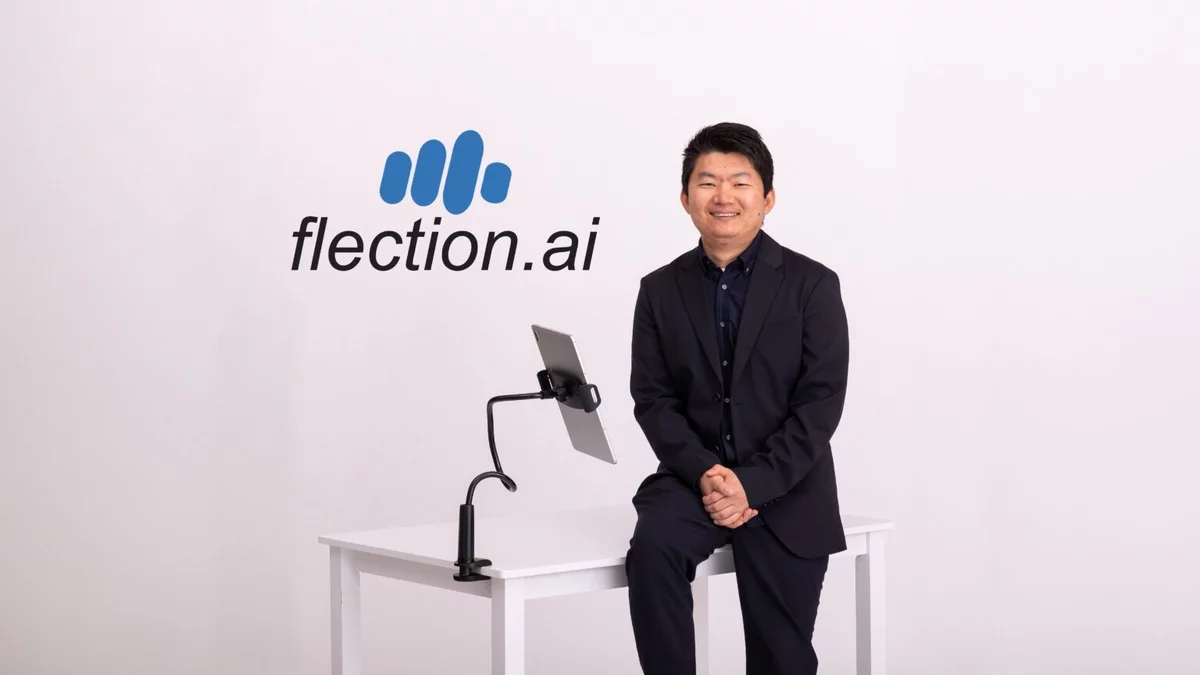
Founded by Alexander Pak, flection.ai transforms a patient’s smartphone into an intelligent physical therapy coach. Using real-time computer vision, the app tracks skeletal keypoints, monitors exercise angles, and provides immediate audio feedback if a movement is performed incorrectly, transmitting progress analytics directly to treating physicians.
6. ZebraEye: AI Retinal Imaging and Rare Pathology Detection
A critical paradox of modern ophthalmology is that preventable causes of irreversible blindness — such as diabetic retinopathy and glaucoma — are asymptomatic during their earliest, most treatable stages. In rural clinics, specialized ophthalmologists and fundus camera equipment are often unavailable.

Founded by Yana Ten, ZebraEye deploys convolutional neural networks to analyze fundus photographs. The platform accurately identifies early retinal microaneurysms, hemorrhages, and optic nerve cupping, flagging high-risk patients for prompt clinical intervention before irreversible vision loss occurs.
7. Hemo.Labs (Umaia): Preventive Medicine and Biomarker Risk Modeling
Healthcare has historically been reactive: individuals consult a physician only when debilitating symptoms appear. Hemo.Labs (Umaia), founded by Alua Musralina, pioneers preventive health optimization through biomarker analysis.
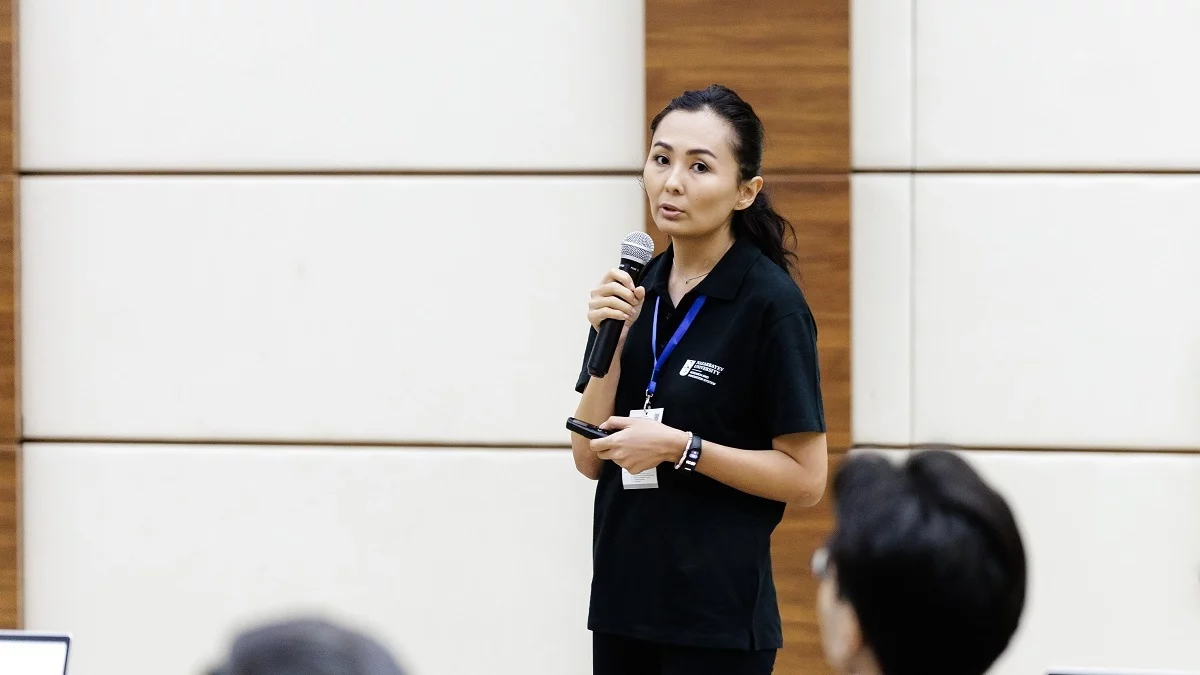
By digitizing standard lab blood panels and analyzing longitudinal trends against AI predictive models, Hemo.Labs detects metabolic syndrome, hormonal imbalances, and micronutrient deficiencies years before they manifest into chronic pathology, providing actionable nutrition and lifestyle interventions.
The Broader HealthTech Ecosystem in Kazakhstan
Beyond deep diagnostic artificial intelligence, Kazakhstan’s broader HealthTech sector includes nationwide digital platforms such as Damumed (the country’s primary electronic health record and patient appointment portal), 103.kz (online pharmacy search and clinic aggregation), and burgeoning telemedicine providers connecting regional patients with national specialists.
RAEM Editorial Takeaway
Kazakhstan’s MedTech sector is no longer an isolated regional experiment. The simultaneous success of Cerebra AI, Defect AI, and Aidentis in the United States and Stanford StartX confirms that domestic medical algorithms meet the world’s most exacting clinical standards. As venture capital embraces healthcare innovation, Kazakhstan is demonstrating that technological ingenuity can fundamentally transform and preserve human life.