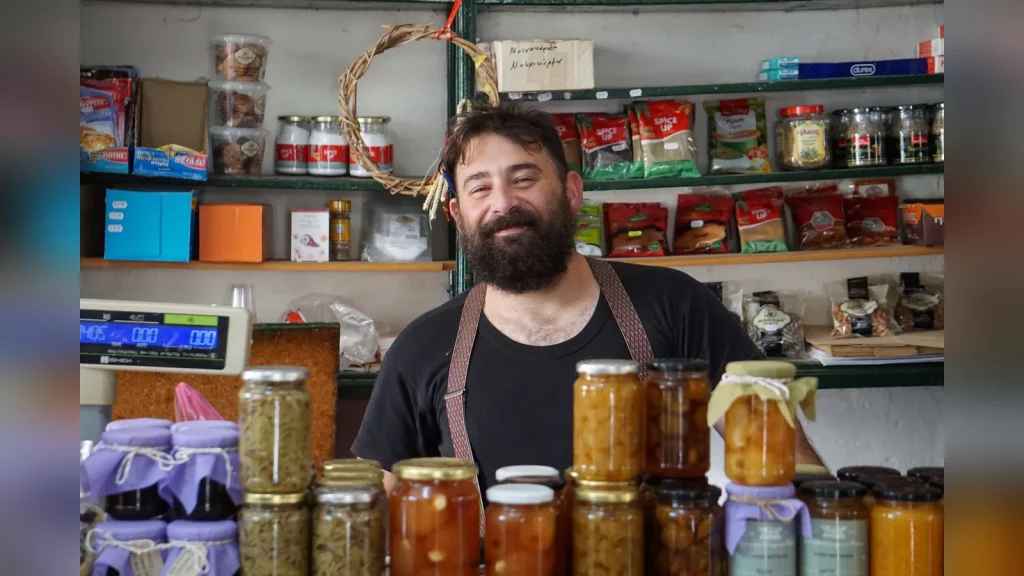
Photo: Demetra Ioannidou / Pexels
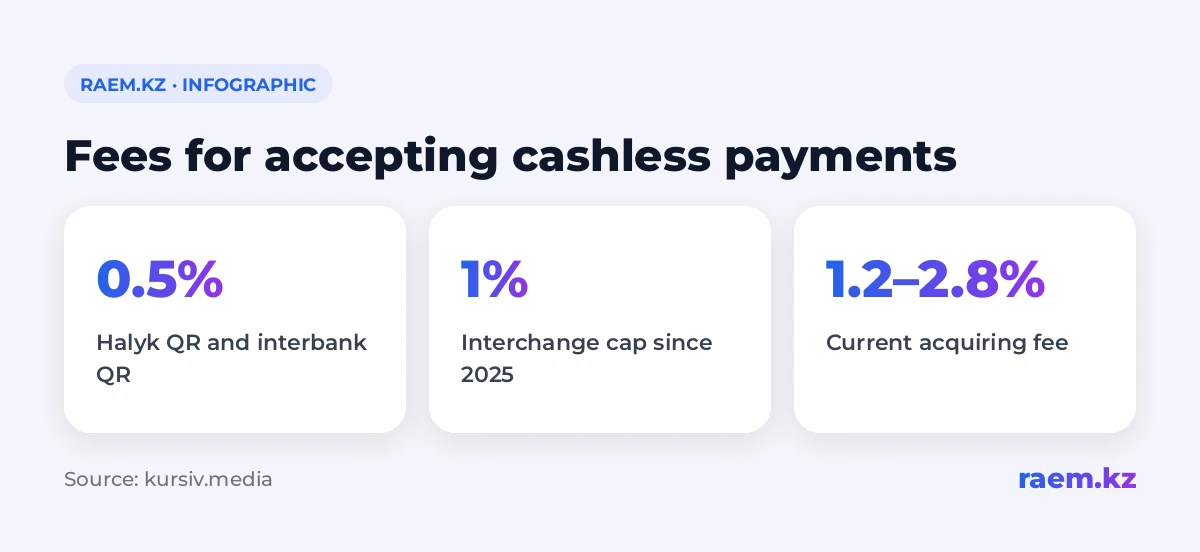
Deputy Prime Minister Serik Zhumangarin has opposed a proposal to cap payment processing fees for neighbourhood shops at 0.5% (kursiv.media). The national economy minister set out his position in a response to a parliamentary inquiry. Fees depend on the business, transaction and payment method. Zhumangarin said Halyk Bank offers a 0.5% rate for payments accepted through Halyk QR and interbank QR.
Why Zhumangarin opposed a 0.5% cap
MPs proposed the cap for sales of socially important and staple foods at neighbourhood shops. They estimate that these shops have net profit margins of 8–12%. This is the share of revenue left as net profit.
According to the MPs, payment processing fees reach 1.5–2.5% of turnover. They can therefore take a substantial bite out of a small shop’s profit: the bank takes a percentage of the full payment amount.
Zhumangarin believes a uniform cap could limit competition and reduce banks’ incentive to develop payment services. Another risk he cited is that some costs could be shifted to other banking services.
How cashless payment fees have changed
According to Zhumangarin, payment processing fees have fallen from 2.8–4.5% to 1.2–2.8% over the past 7–10 years. He attributes this to the growth of cashless payments and competition among banks.
The rate depends on the type of business, the transaction type and how the customer pays for the goods. The range cited therefore does not mean every shop pays the same fee.
What the bank’s fee covers
Payment processing, also known as acquiring, is a banking service that allows businesses to accept cashless payments. Customers can pay by card, smartphone, QR code or online.
When a customer pays with a card issued by another bank, the fee includes an interbank payment known as interchange. Banks also pay to install and maintain POS terminals — devices used to accept payments — and to run digital services and customer systems. Zhumangarin cited these costs to explain his opposition to a fee cap.
How interchange fees have fallen
In October 2022, the National Bank agreed with Visa, Mastercard and UnionPay to gradually reduce interchange fees. According to figures cited by Zhumangarin, the maximum rates for mass-market cards changed as follows:
- Before the reduction — 1.8–2%.
- From 1 January 2024 — 1.5%.
- From 1 January 2025 — 1%.
The 1% cap applies to the interbank component of the payment. The total payment processing fee also depends on other conditions.
Where the 0.5% fee is available
According to Zhumangarin, Halyk Bank offers a 0.5% fee for payments accepted through Halyk QR and interbank QR. This is an example of a rate for specific payment methods.
The deputy prime minister noted that the interbank mobile payment system also helps reduce the cost of accepting payments. It supports QR payments between banks and transfers using a phone number.
The National Bank will continue working with banks to develop the system and make its services more accessible to small businesses.
In plain terms: what shop owners should check
Zhumangarin opposed a blanket 0.5% cap on fees for neighbourhood shops. He did, however, cite that rate as one of Halyk Bank’s terms for accepting QR payments.
If you are choosing payment services for your shop, compare card and QR payment fees. Check the rate for your type of business and for payments from other banks: these differences affect the cost of accepting payments.