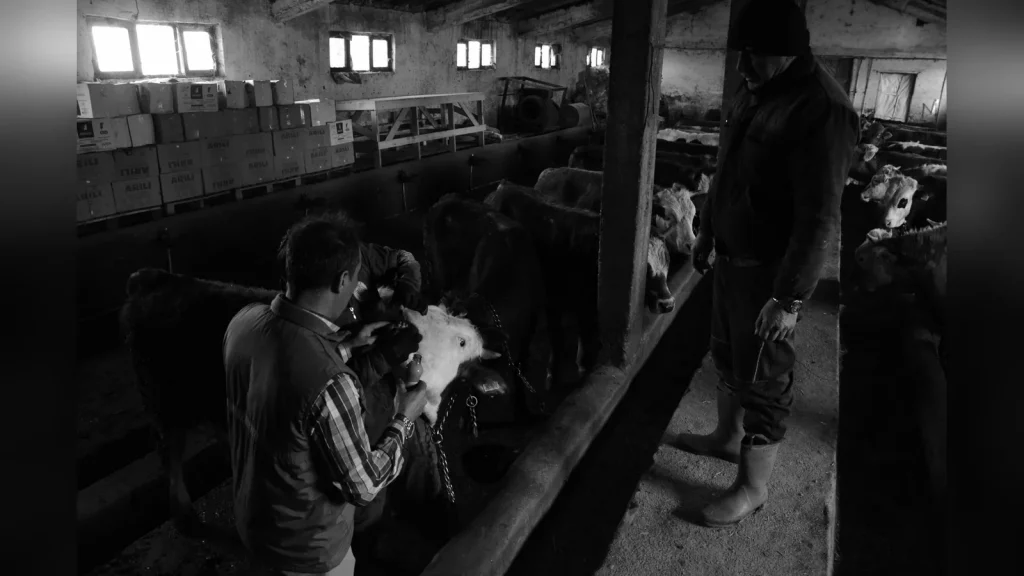
An approved subsidised loan may not cover all the livestock a farmer plans to buy, leaving them to find extra money or purchase fewer animals. MPs from the Auyl party highlighted this gap between the prices used to calculate funding and market prices in an appeal to the Agriculture Ministry, according to inbusiness.kz.
Why the loan may not cover the livestock purchase
Funding calculations use a maximum price per animal. If the seller asks for more, the approved loan leaves a shortfall. According to the MPs, farms have to find the missing money themselves.
According to the same report, Ulytau Region has been allocated 3.4 billion tenge under the programme, with six projects approved for 2 billion tenge. The MPs say the price gap puts their implementation in doubt.
What livestock prices are used in the calculations?
The MPs cited the following maximum prices per head:
| Animal category | Price used in calculations |
|---|---|
| Breeding females of beef breeds, 9–12 months old | 1.05 million tenge |
| Breeding females of beef breeds, 13–18 months old, including pregnant heifers | 1.2 million tenge |
| Breeding bulls | 1.8 million tenge |
Independent market data provide context for the cost of breeding bulls abroad. Angus Australia’s sale statistics list an average auction price of A$11,985 for registered Angus bulls in 2025. The organisation says its statistics may not cover every auction and exclude private sales.
That Australian auction average is not a quotation for delivery to Kazakhstan. Farmers still need to compare their supplier’s actual offer with the amount allowed for their specific project.
Can farmers buy livestock in Kazakhstan?
Under the terms cited by the MPs, the Zhailau programme allows farmers to buy domestic livestock.
The Agrarian Credit Corporation’s published Igilik and Bereke terms independently confirm that purchases of breeding cattle and sheep or goats under these programmes are restricted to imports. Igilik also covers other specified species, some of which may be purchased domestically.
For a cattle project that requires imports, a domestic supplier’s offer does not meet that sourcing requirement.
What interest rate and loan terms apply?
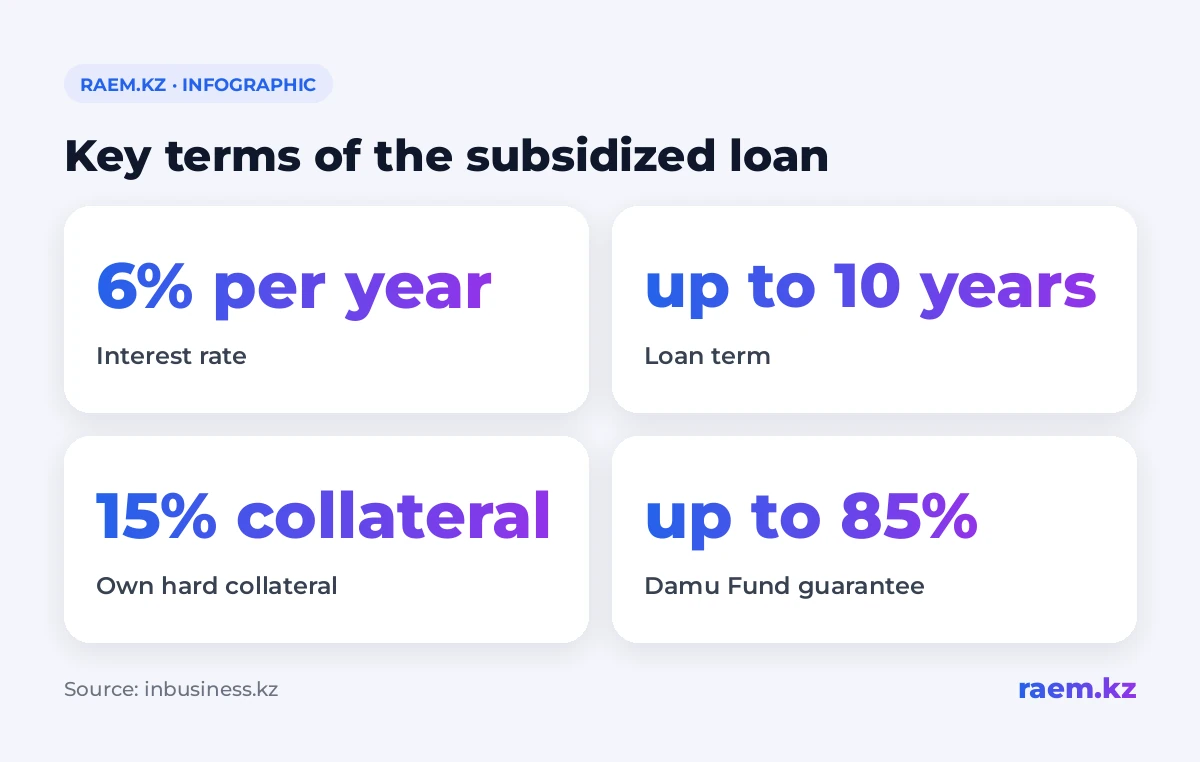
Inbusiness.kz quoted Kostanay Region Governor Kumar Aksakalov as saying loans were available at 6% a year for up to ten years, with a two-year payment deferral and the removal of a 10% own-funds requirement. He also said Zhailau projects could use a private expert review instead of a state review.
Terms must be checked for the specific programme. The Agrarian Credit Corporation’s Igilik and Bereke page lists a 6% annual rate, a maximum term of seven years and own participation of at least 15% of the project cost. The governor’s description should therefore not be treated as a common set of terms for every livestock loan.
What if there is not enough collateral?
In the same report, Aksakalov said farmers must provide their own tangible collateral covering 15% of the loan and could use a Damu fund guarantee covering up to 85% of the loan amount if collateral was insufficient.
A collateral guarantee and a purchase-price shortfall address different issues. The MPs’ concern is that even an approved loan may not buy the planned number of animals.
Will the prices used in the calculations be revised?
The MPs asked Agriculture Minister Aidarbek Saparov to revise the mechanism used to calculate livestock prices under state programmes. According to their appeal, reported by inbusiness.kz, loans calculated for a planned number of animals can in practice buy fewer. The report describes a proposal, rather than an adopted revision.
What farmers should check
Before signing a purchase contract, compare the supplier’s price with the project budget, confirm where the livestock may be sourced and check the lender’s applicable rate, repayment period, own-contribution and collateral requirements. Establish how much additional funding the planned purchase would require.