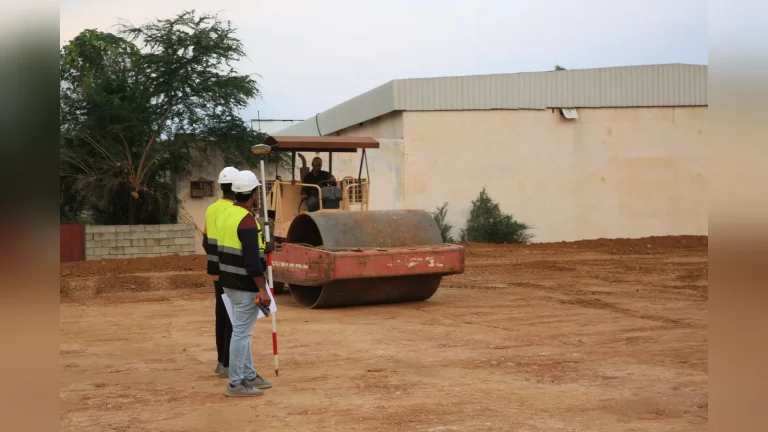
Photo: RDNE Stock project / Pexels
Kazakhstan is considering allowing future regulated revenue to be used as collateral for loans to upgrade energy and utility infrastructure. Madina Abylkassymova, chair of the Agency for Regulation and Development of the Financial Market (ARDFM), announced the proposal. The measure is intended to help banks finance long-term projects (lsm.kz).
What happened
Speaking at the Congress of Financiers, Abylkassymova outlined additional prudential measures being prepared to ensure banks remain financially sound. One proposal would allow future regulated revenue to serve as collateral for infrastructure loans.
Another potential source of funding is issuing bonds for specific investment projects. These bonds would allow banks to raise money from institutional investors, meaning large organizations that manage investments.
What this means
Infrastructure projects need long-term funding: construction, getting operations running and reaching the break-even point all take time. Abylkassymova said financing terms should account for these stages. The proposed measures are part of efforts to expand banks’ role in lending to the economy.
“Banks must become key partners in financing projects that shape the economy’s long-term development,” the ARDFM chair said. One important detail: using future revenue as collateral is still under consideration.
Businesses received more new loans
Despite tight monetary conditions, outstanding business loans reached 16.4 trillion tenge, up 11.9% over the year. This is the total value of existing business loans.
Over nine months, new lending to businesses rose by 19.5% compared with the same period last year. Meanwhile, new lending to individuals fell by 4.3%.
Abylkassymova linked the planned measures to the “Narodnaya Stroyka” initiative, which calls for upgrades to social, transport and utility infrastructure in the regions. Earlier, it was announced that the National Fund would provide 6.5 trillion tenge to modernize infrastructure.