

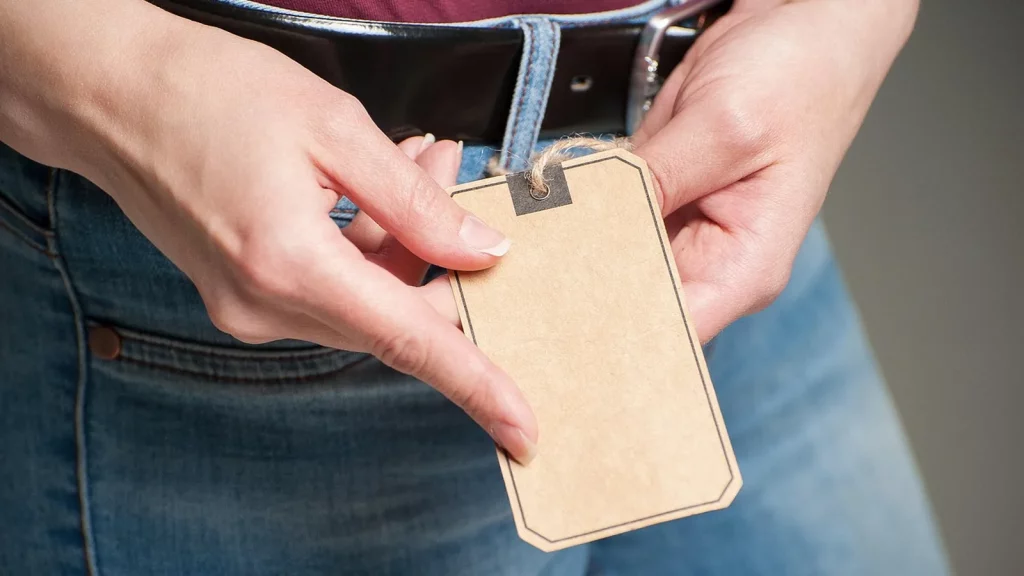
Photo: AlexKlen / Pixabay
On December 1, 2026, Kazakhstan launches the first stage of mandatory labeling for clothing, leather goods and linen with a Data Matrix code (gov.kz). The same day, Altyn Bank cuts its fee for yuan cash deposits from 3.6% to 1%, and the lists of goods for waybills (SNT) and electronic invoices (ESF) get longer.
First labeling stage: leather, fur, ski suits and bed linen
The Ministry of Industry and Construction announced it on September 24, 2026. The first stage covers clothing and accessories made of natural or composite leather, plus faux fur and fur products. It also includes certain types of men’s, women’s and children’s clothing, ski suits, and bed, table, bathroom and kitchen linen.
The rules apply to manufacturers, importers, wholesalers and retailers. The list of goods was approved by Order No. 199-НҚ of the Minister of Trade and Integration, dated May 26, 2026 (pro1c.kz).
This is only the start of a three-stage plan. According to 24.kz, the second stage begins on March 1, 2027: outerwear, blouses, sweaters, pullovers, cardigans, vests, men’s shirts, shawls, scarves and ties. The third starts on October 1, 2027: suits, jackets, dresses, skirts, trousers, tracksuits and knitted shirts.
What a store needs: a cash register, a scanner and a contract with an OFD
Every item gets a two-dimensional Data Matrix code. The data goes into the system of the Unified Labeling and Traceability Operator, and buyers can check a product in the free Naqty Onim app (24.kz).
Each participant in the chain is responsible for their own part. The manufacturer applies the code before passing the goods on. The importer labels goods before they enter Kazakhstan or are placed under customs procedures.
Retail has it hardest. Under the rules, a store must register in the system and have a cash register that can record and transmit data, plus a paired scanner that is tested for reading Data Matrix. It also needs a contract with a fiscal data operator, which handles the data on every item sold (pro1c.kz).
The operator issues codes within 4 hours. Information about applying the code must be submitted no later than 60 calendar days after receiving it, and unused codes are canceled. The Center may refuse to register a GTIN within 3 business days. The recipient confirms acceptance within 15 business days.
The rules are already in force, and stock must be labeled by January 1, 2028
The rules were approved by Order No. 450 of September 10, 2026, and took effect on November 14, 60 calendar days after first publication. Since that date, removing goods from circulation at sale through a cash register and customer returns have been in effect.
Reporting on the movement of goods between participants starts on October 1, 2027. Aggregation, acceptance and re-entry into circulation switch on the same day.
Existing stock must be labeled by January 1, 2028. That gives a little over a year from the first stage’s launch for goods already sitting in warehouses and on shelves.
According to 24.kz, the aim of labeling is to cut illegal trade and counterfeits. The sources don’t mention any penalties for violations.
SNT and ESF: two lists became one
On November 16, the State Revenue Committee of the Ministry of Finance announced changes under Finance Minister’s Order No. 656 of September 29, 2026. The lists of goods for waybills (SNT) and for electronic invoices through the Virtual Warehouse module were merged. The separate SNT list was removed by Order No. 764 of November 10.
From December 1, the combined list adds goods with a set minimum price level and agricultural products. The procedure for issuing SNT and ESF stays the same.
The committee’s announcement doesn’t name specific items. For reference: the ESF list in force since January 1, 2026 had 353 OKED items, including alcohol, oil products, refrigeration equipment and precursors (mybuh.kz). How many items there will be after the expansion is unknown.
Altyn Bank: 100 yuan instead of 360 on every 10,000
The bank notified individuals of the new rates on October 28. The fee for topping up an account or card in Chinese yuan through the cash desk drops from 3.6% to 1% of the deposit, VAT included (altynbank.kz). The decision was made by the bank’s Assets and Liabilities Management Committee, Minutes No. 165 of October 27.
A round number shows it best. On a deposit of 10,000 yuan, the fee was 360 yuan. Now it will be 100.
The cut applies only to cash deposits in CNY. The bank hasn’t announced it for other currencies or other ways of topping up. If you pay for purchases in China, you may find this useful: how to order from Pinduoduo and what delivery costs.
A standard for stretch hood film, but no obligation to switch
Order No. 55-НҚ of the Chairman of the Technical Regulation and Metrology Committee, dated November 11, 2026, introduces from December 1 a national standard, ST RK, for multilayer polyethylene film of the “STRETCH HOOD” type. These are technical specifications for producing and using packaging materials (prg.kz).
The order sets no general obligation to switch to this film.
And if a seller needs to give managers access to their Kaspi account, here’s a guide on how to log in to Merchant Cabinet and grant access.