

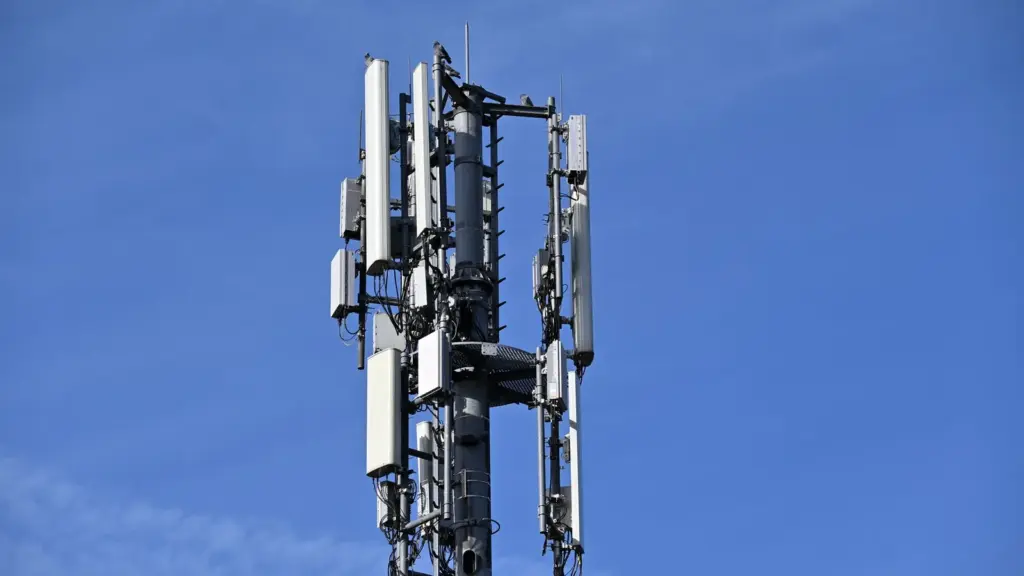
Photo: Edvin Gál / Pexels
Kazakhstan plans to phase out 3G completely by the end of 2027, Deputy Prime Minister Zhaslan Madiyev told a government meeting (primeminister.kz). By then, 4G should cover 5,291 villages, while 5G should reach 70 cities and 300 villages. Telecom development plans also include investment in the sector and an expanded fiber-optic network. Local authorities have been instructed to start checking mobile service quality in every village from January 2027.
Beeline and Tele2 began the switch ahead of the nationwide deadline
The phased shutdown of 3G is already underway. In February 2026, Beeline said it would use the freed-up frequencies to strengthen LTE (old.beeline.kz). The operator offers free replacements for old SIM cards that only support 3G at its service offices.
Tele2 began the switch earlier. The operator announced that 3G connections would no longer be available in Almaty and parts of Almaty Region from March 28, 2024 (tele2.kz).
For Tele2 subscribers, the impact depends on their device and SIM card. The company warns that if either does not support 4G, they will lose internet access once 3G is switched off.
Tele2 customers can replace a 3G SIM card for free at a retail store. An identity document is required.
Mobile internet promised for 92% of villages by the end of 2027
According to Madiyev, mobile internet is currently available in 84% of Kazakhstan’s villages. Base stations are being upgraded from 3G to 4G, while 5G coverage is expanding in cities and villages.
By the end of 2027, coverage should reach 92% of villages. The difference between the current 84% and the planned 92% is 8 percentage points.
These figures refer to the number of villages. They do not represent the share of the country’s population or territory covered.
Madiyev linked telecom development to closing the digital divide and giving citizens equal access to digital services.
Telecom investment to exceed 1.3 trillion tenge over three years
According to the minister, investment in the telecommunications sector will exceed 1.3 trillion tenge over three years. Investment is expected to total at least 500 billion tenge in 2026.
Over the past two years, average mobile internet speeds have risen from 73.6 to 93.4 Mbps, according to the ministry.
Usage is growing too: the ministry forecasts that internet traffic in 2026 will be more than double the 2024 level.
Fiber planned for up to 1,863 more villages in 2027
Under the Accessible Internet national project, fiber-optic lines are scheduled to reach 3,704 villages by the end of 2026. That is 61% of the country’s 6,060 villages.
Plans for 2027 call for fiber connections in up to 1,863 more villages. Total coverage should reach 92%, with the remaining 8% of villages connected through satellite internet.
raem.kz previously covered getting connected to Starlink in Kazakhstan. A separate article looks at satellite-to-smartphone connectivity: Starlink Mobile and Direct to Cell.
Local authorities told to start checking mobile service in every village from January 2027
Of the 1,052 coverage “dead zones” identified in 2024–2025, 213 remain unresolved, according to the government’s official website. Local authorities must allocate land for these sites, connect the facilities to the power grid and explain the work to residents.
Scheduled measurements in 2026 identified another 289 problem areas. Issues have already been resolved at 70 of them.
An area will only be taken off the monitoring list after repeat measurements confirm a stable connection.
From January 2027, local authorities and the responsible agency must begin checking mobile service quality in every village in the country.
Coverage must also be extended to 40,000 km of national and regional highways. According to Madiyev, this will require more than 500 antenna towers and masts.