
Kazakhstan has established a comprehensive legal foundation for autonomous transport: the digital transport code defines autonomous systems, designates testing corridors, and allocates testing liability. However, beneath the codified regulations lies an operational paradox: while international markets are logging hundreds of thousands of paid driverless commercial rides weekly, Kazakhstan’s commercial robotaxi market remains at ground zero.
Global Robotaxi Leaders vs. Kazakhstan: Regulatory Benchmarks
To evaluate why commercial autonomous adoption has stalled in Central Asia, compare Kazakhstan’s regulatory sandbox framework against leading global deployments in China, the United States, and the UAE.
| Jurisdiction | Authorizing Regulatory Body | In-Cabin Safety Driver Mandate | Commercial Driverless Fleet Operations |
|---|---|---|---|
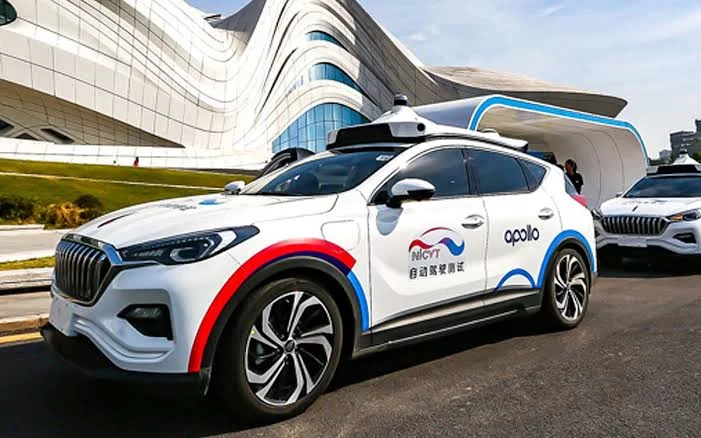
| China (Wuhan, Beijing, Shenzhen) | National Ministry of Transport + Municipal High-Tech Sandboxes | No (fully driverless operations permitted across designated urban zones) | Baidu Apollo Go and Pony.ai operating hundreds of commercial driverless robotaxis completing thousands of paid trips daily |
| United States (San Francisco, Phoenix, Austin) | State DMVs + Federal NHTSA Oversight | No (permitted for commercial paid service without human backup in driver’s seat) | Waymo One logging tens of thousands of paid passenger rides weekly; commercial scaling across multi-city metropolitan areas |
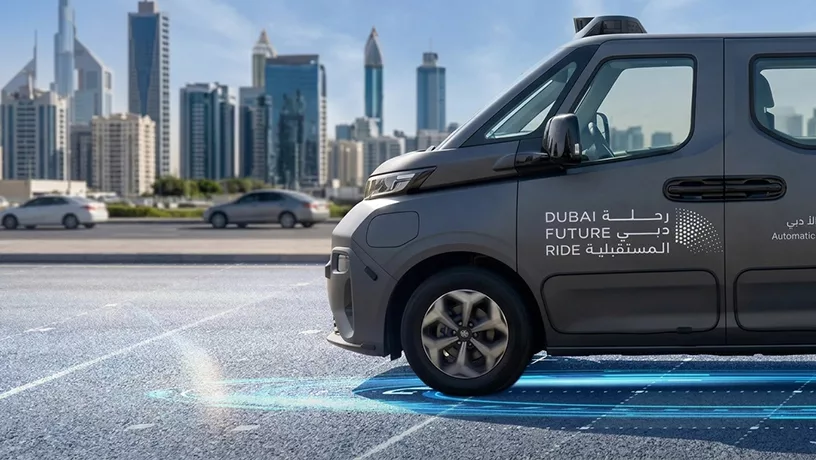
| UAE (Dubai) | Roads and Transport Authority (RTA) Autonomous Strategy | Phased elimination (transitioning from pilot operators to remote monitoring) | Commercial partnership with Cruise; target of converting 25% of municipal trips to autonomous mobility by 2030 |
| Kazakhstan | Ministry of Transport & Ministry of Digital Development | Yes — Mandatory (human operator legally required to occupy the driver’s seat at all times) | Restricted to controlled pilot testing on closed facilities and designated highway test sections; zero driverless commercial service |
The Three Structural Bottlenecks in Kazakhstan
Engineering teams and mobility operators identify three primary impediments that prevent autonomous mobility from transitioning from paper statutes to live urban streets:
- The In-Cabin Operator Mandate: The fundamental economic thesis of robotaxis is removing human labor costs. By legally mandating an operator behind the steering wheel, Kazakhstan’s current regulations reduce an autonomous vehicle to an exceptionally expensive car with an idle safety observer, eliminating economic ROI for fleet operators.
- Continental Winter Climates: Severe Eurasian winter conditions represent an acute technical barrier. Sub-zero blizzards, black ice, and road slush blind optical cameras and LiDAR optical emitters. While sensor-cleaning nozzles and thermal imaging mitigate disruption, autonomous neural networks trained in California or Shenzhen degrade significantly in Astana’s winter conditions.
- Infrastructure and High-Definition Mapping: Autonomous fleets rely heavily on centimeter-accurate HD maps and standardized road markings. Faded road stripes and unmapped municipal road construction require constant manual human override.
International Expansion and Strategic Outlook
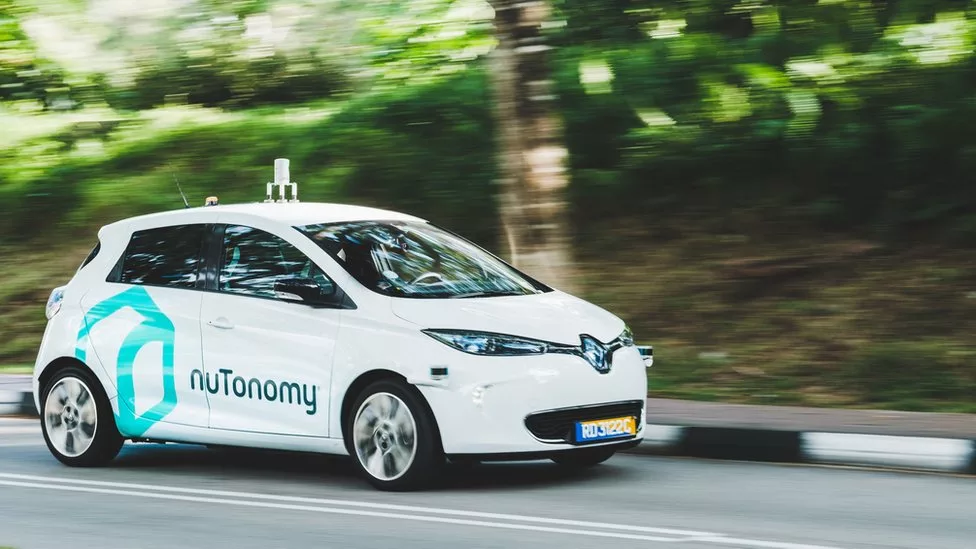
International autonomous operators—including Baidu’s Apollo Go and Chinese autonomous trucking syndicates—have initiated preliminary discussions with regional logistics operators. However, until municipal authorities approve designated urban sandboxes permitting remote teleoperation rather than in-cabin safety drivers, autonomous mobility in Central Asia will remain confined to corporate demonstrations rather than public transportation. For an examination of global robotaxi strategies, read our deep dive on Tesla Cybercab, Baidu Apollo, and Kazakhstan’s regulatory readiness.
For an overview of capital commitments across national automated infrastructure, explore our report on Kazakhstan’s $200M industrial robotics development roadmap.