
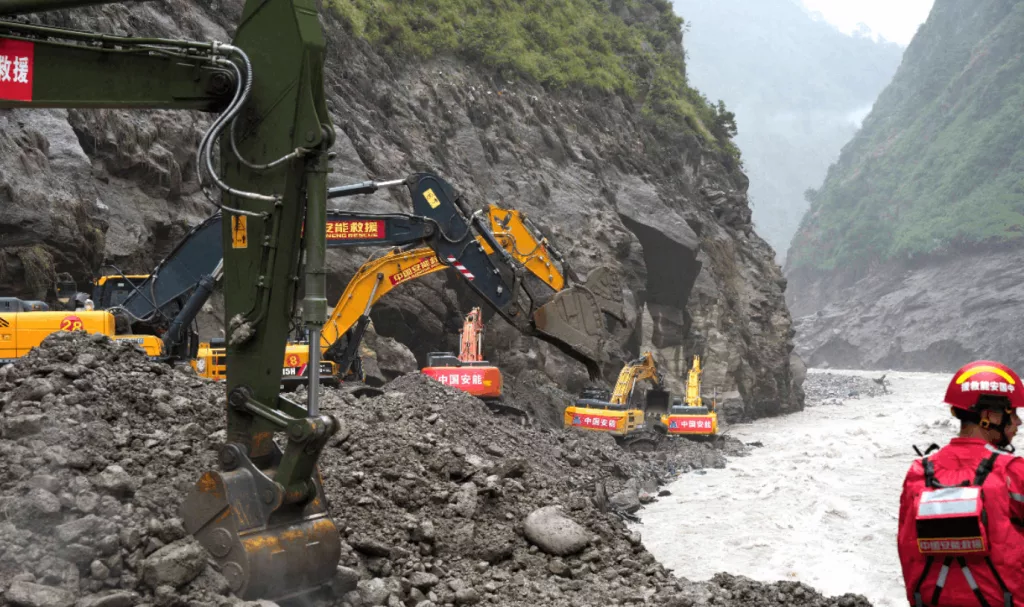
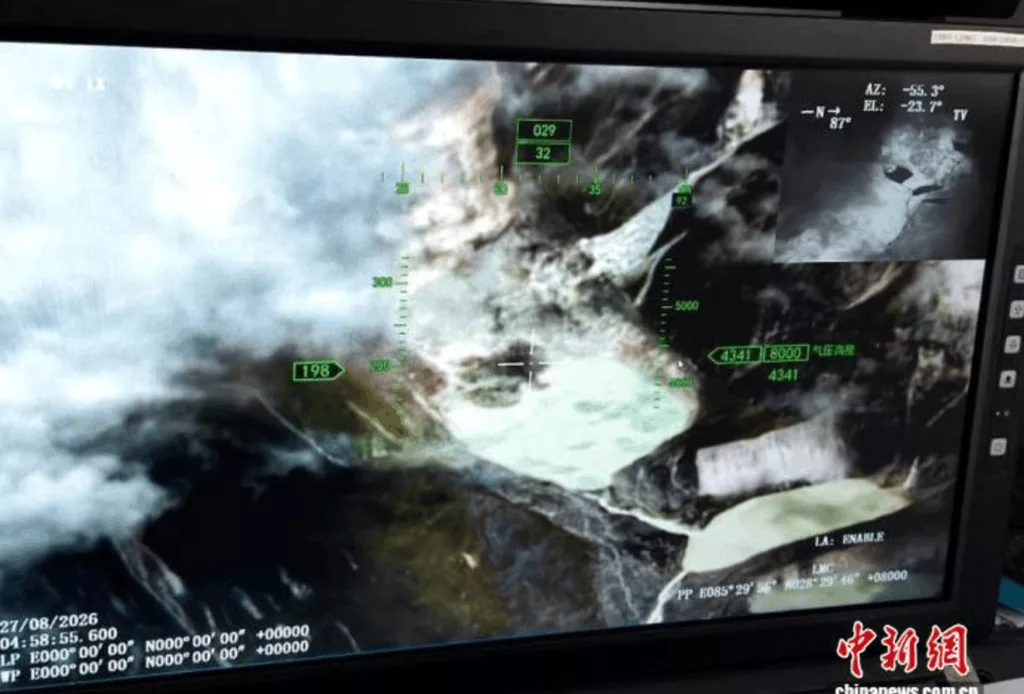
On August 28 at 16:30, the first specialized reconnaissance and engineering detachment reached the disaster epicenter near the Gyirong international border crossing on the rugged China-Nepal frontier. Six mountain rescue specialists from the Tibet Fire and Rescue Corps and fifteen disaster engineers from Sichuan arrived with a search-and-rescue canine. There was no road remaining: catastrophic flash floods and landslides had completely obliterated the mountain highway, scouring approximately 0.7 square kilometers of customs and border facilities down to bedrock (sina.cn).
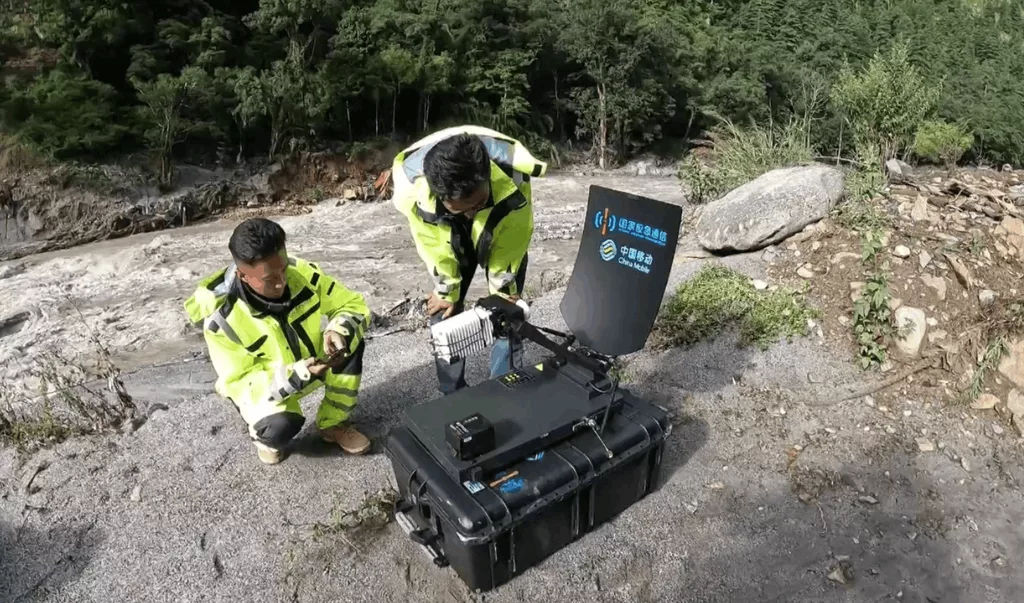
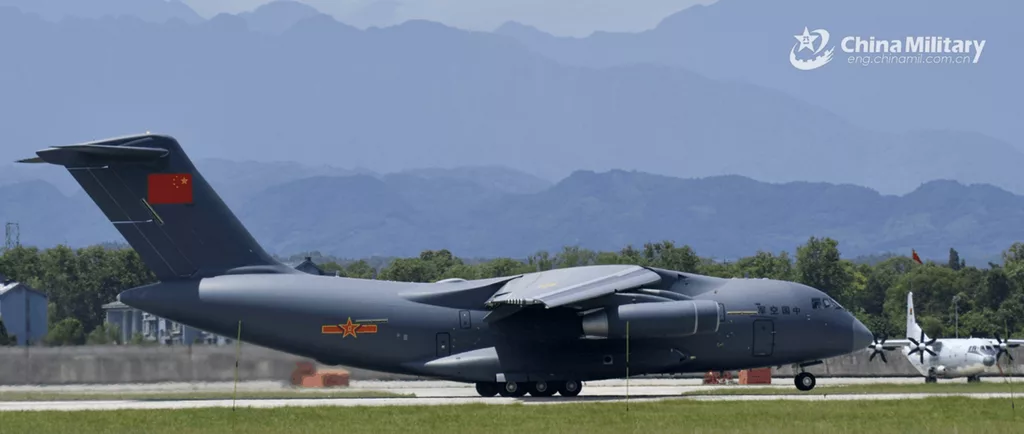
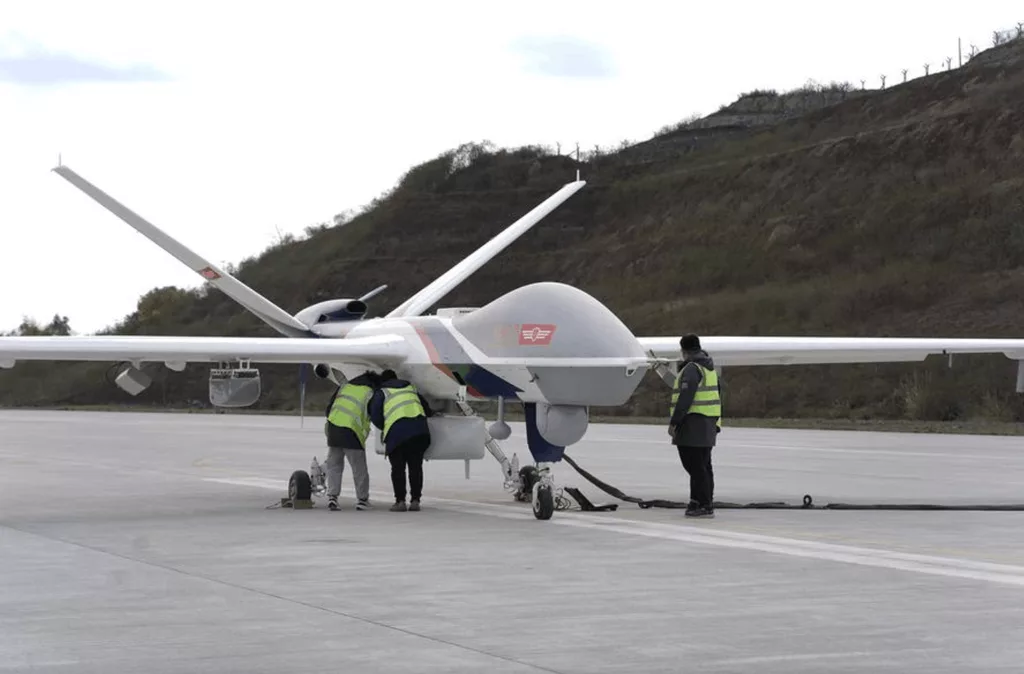
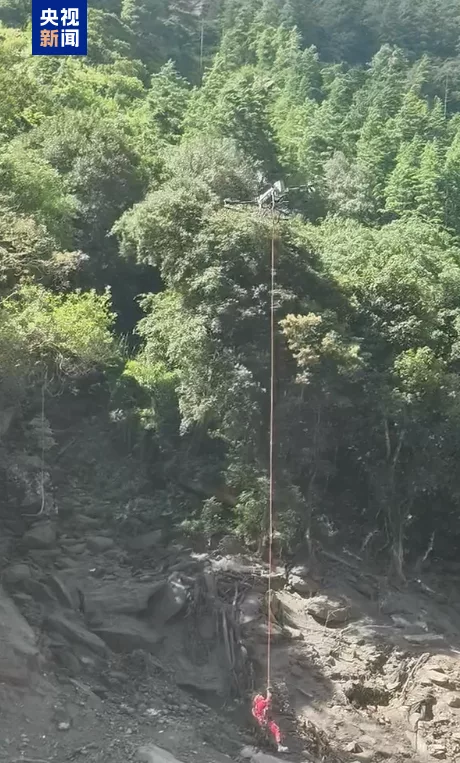
Personnel, fuel, heavy demolition saws, and communications gear arrived entirely by air. Heavy-lift cargo unmanned aerial vehicles (UAVs) flew tactical logistics corridors across sheer gorges, deploying crews and hardware directly into isolated canyons, as officially documented by China’s Ministry of Emergency Management and broadcast by state media (163.com, sina.cn).
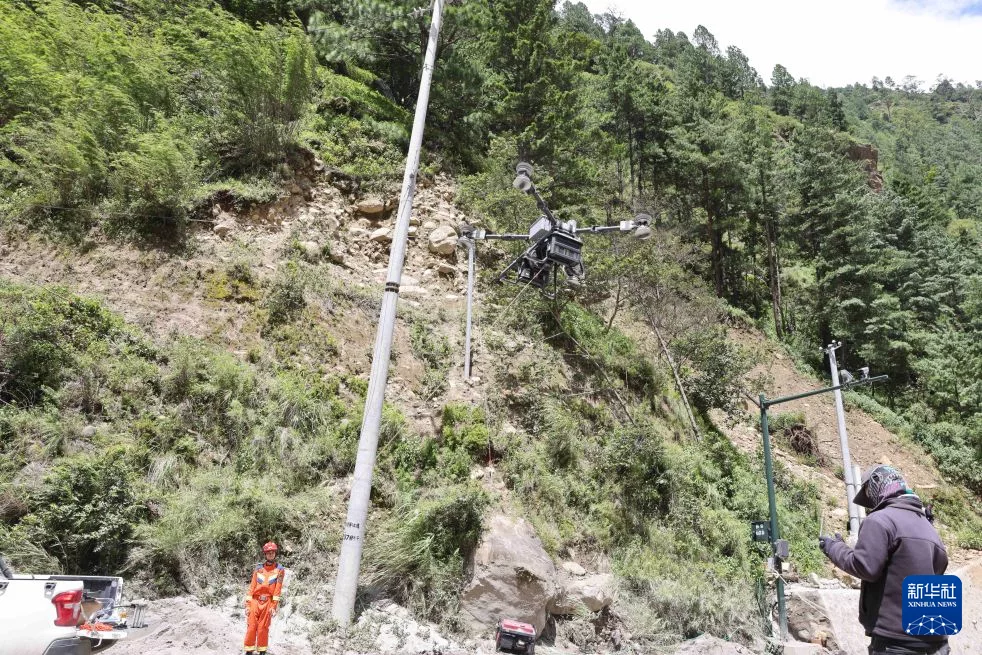
This deployment was not a stage-managed tech demonstration or exhibition flight. It marked a historic operational turning point: heavy-lift autonomous cargo drones operating as the primary logistical backbone where ground wheeled transport is physically impossible.
Air Cranes Without Pilots: The Evolution of Industrial Cargo UAVs
For more than half a century, moving industrial payloads, electrical equipment, and construction materials into roadless alpine zones required two deeply flawed choices: spending millions of dollars bulldosing temporary mountain roads or chartering heavy-lift helicopters (such as the Mil Mi-26 or Sikorsky CH-53).
Both legacy methods carry crippling operational vulnerabilities. Bulldozing switchback roads across unstable mountain scree causes massive soil erosion, costs upwards of $1.5 million per kilometer, and requires months of earthmoving. Manned helicopters burn thousands of liters of kerosene hourly, generate extreme rotor wash that triggers rockslides, and risk crew lives in zero-visibility mountain passes.
Modern heavy industrial multirotors (engineered by DJI, EHang, United Aircraft, and specialized state aerospace institutes) operate with external sling capacities scaling from 200 kg to over 1,500 kg. Utilizing hybrid turbine-electric powerplants, millimeter-wave radar obstacle avoidance, and RTK centimeter-precision positioning, these autonomous platforms function as pilotless flying cranes.
Operational Metrics: Tower Erection and Ghyirong Logistics
In high-voltage electrical grid construction across Tibet and Sichuan, power companies reported that utilizing heavy drones to haul steel truss segments, insulator strings, and concrete sacks reduced tower construction timelines from six weeks per pylon down to six days, while cutting logistical transport expenditures by up to 60%.
Strategic Takeaways for Kazakhstan’s Industrial Landscape
The operational maturity demonstrated in the Gyirong corridor carries enormous practical relevance for Kazakhstan and Central Asia:
- High-Voltage Transmission Corridors: Kazakhstan’s KEGOC is currently upgrading massive grid lines across the Tien Shan foothills and Karatau ridges. Adopting heavy-lift drones eliminates the costly requirement to construct access roads across environmental reserves.
- Caspian Mudflats and Marshland Logistics: Servicing oil and gas infrastructure in shallow coastal zones of the Caspian Sea where standard barges cannot dock and heavy trucks sink into salt flats.
- Emergency Spring Flood Relief: Rapidly deploying water pumps, satellite comms terminals, and survival kits to isolated villages across Kostanay, North Kazakhstan, and Atyrau regions during seasonal river overflows.
Heavy cargo drones are permanently dismantling the century-old assumption that industrial infrastructure requires physical road connectivity. In extreme geography, aerial heavy-lift automation is rapidly becoming the fastest, safest, and most economical transit corridor.