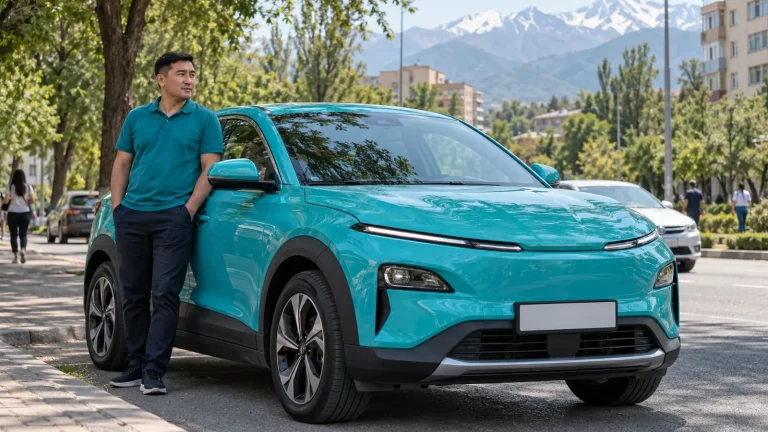
Illustration: AI
Banks and fintech companies account for more than 60% of advertising spending on the inDrive app in Kazakhstan, the company says (indrive.com). In its advertising business’s first year, the number of advertisers placing ads each month grew 3.6-fold. According to the service, Kazakhstan stands out for the financial sector’s large share of its advertisers.
What happened
Over the same period, banks, fintech companies and payment services doubled their share of ad spending. All figures refer to advertising within the inDrive app.
In other markets, the company says, advertisers span a broader range of industries. These include restaurant chains, consumer goods manufacturers, telecom operators and car brands.
Globally, more than 2,000 advertisers place ads in the app each month. The company works with brands directly and through advertising holding companies. Ads can also be purchased through ad exchanges — platforms for automated ad placement.
What this means for users
Ads appear during waiting periods, among other times: passengers see them while their car is on its way, and drivers see them while waiting for their next booking. inDrive calls this format Ride Media and compares it to outdoor advertising people see along the way.
The advertising business rolled out more than ten major updates in its first year. The app added new ad formats, and ads began loading faster. Passengers also gained the ability to manage their own settings for how their personal data is used.
“At the same time, it’s important to us that advertising fits naturally into the app experience and doesn’t get in users’ way,” said Max Silin, director of inDrive.Ads.
How the advertising business grew
inDrive launched inDrive.Ads in July 2025. In its first year, advertising became available in 25 countries, with impressions exceeding 2 billion.
The service sets aside some of its ad inventory for its own social projects. In the first half of 2026, these projects received more than 1.7 million impressions. They include Arsen Tomsky’s inVision U education initiative in Kazakhstan.
Silin said the next step would be to build a retail media ecosystem and expand partnerships with international and local brands.