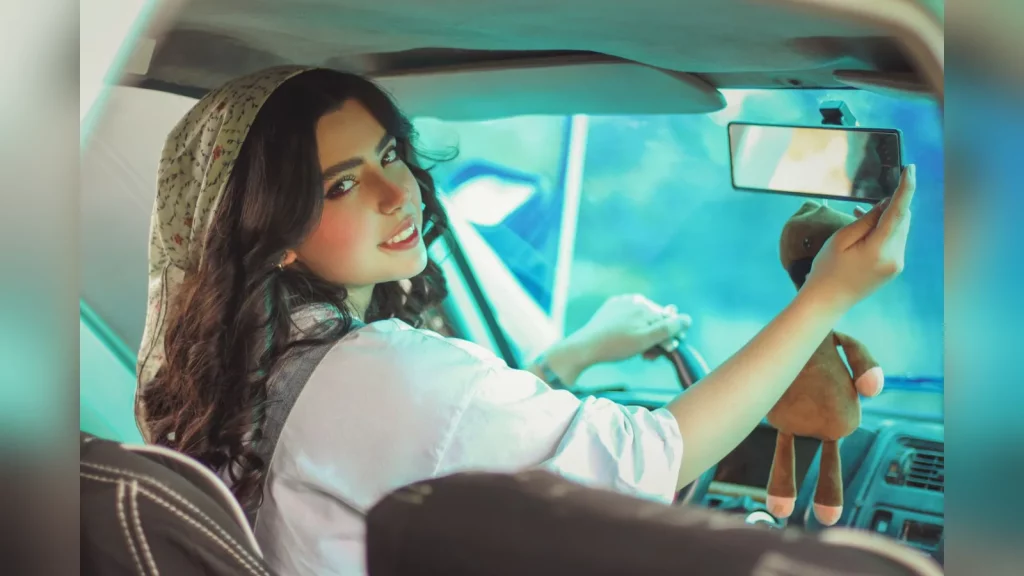
Photo: photohana namvariii / Pexels
In Kazakhstan, inDrive blocked more than 1,300 drivers for trying to bypass photo checks during peak demand. According to inDrive, requests for selfies and car photos in key cities have doubled. The checks help confirm that the driver and car arriving to pick up a passenger match those listed on the account (indrive.com).
What happened
As demand grew, the company brought on thousands of new drivers and doubled its document verification team. Drivers must complete a vehicle check before they can start accepting rides. The service also compares the photo on their identity document with their profile picture.
inDrive also stepped up its photo checks. When prompted, drivers must take a fresh selfie and a photo of their car directly in the app. The photos are then submitted for review.
The frequency of these requests varies across driver groups, including newcomers and those who have already been verified. Following a complaint, the driver is required to undergo an urgent additional check. Artificial intelligence handles 98% of photo checks, while human reviewers assess all disputed cases.
What this means
Photo checks help identify cases where someone else is handling a booking or the car arriving for a ride is not linked to the account. The company linked the blocks for attempts to bypass these checks to the period of increased demand.
“Over the first nine months of 2026, the number of rides in Kazakhstan that drew complaints about a driver or vehicle mismatch fell by more than 15% compared with the same period last year,” inDrive’s press office said.
According to the company, the total number of rides increased over this period. The decline in complaints relates specifically to driver or vehicle mismatches.
Alongside photo checks, the inDrive app monitors routes. Its artificial intelligence system can detect unusual deviations and trigger an additional check. Passengers and drivers can also contact support, use the SOS button and share their route with loved ones.
This summer, a ride audio recording feature became available to passengers and drivers in the Safety Centre. According to the company, recordings are stored in encrypted form. Staff can access them only when a user contacts support, helping resolve disputes after a ride.