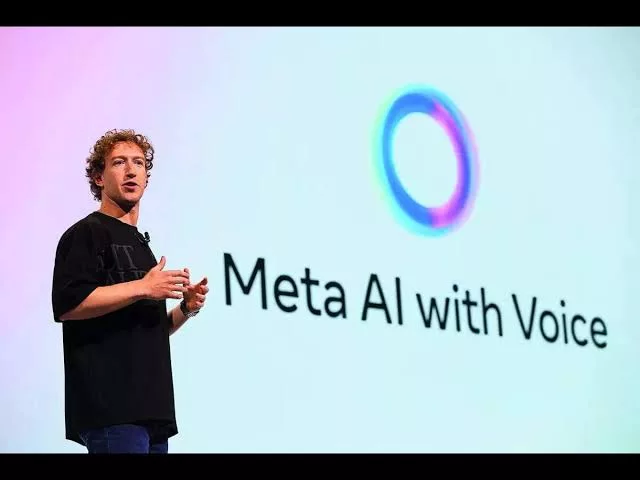
Meta has once again stunned the global technology ecosystem by releasing the weights of its frontier multimodal model, Muse Glimmer, completely free of charge. Developing a frontier generative foundation model demands hundreds of millions of dollars in sovereign compute clusters, specialized data curation, and elite research talent. Why does Mark Zuckerberg persistently give away technology that cost a fortune to construct, and what is Meta’s underlying commercial monetization playbook?
While closed-source competitors like OpenAI and Google erect expensive subscription paywalls and enterprise API fees, Meta is executing a classic Silicon Valley disruption strategy: commoditizing its rivals’ core product. For related perspectives on enterprise automation economics, explore our analysis on practical enterprise monetization and corporate automation economics.
Open-Sourcing What Rivals Sell as Proprietary Gold
In releasing Muse Glimmer, Meta followed the precedent established with its Llama foundation model series. In classical software economics, this strategy reflects the legendary «Commoditize Your Complement» doctrine: if a company makes the complementary layer around its core business free, the value gravitates toward where the company maintains an unassailable structural monopoly.
For OpenAI, Anthropic, and proprietary AI startups, the model itself is the commercial product. If Meta provides an open-weight model with 95% of the same performance for zero licensing fees, it obliterates the pricing power of closed-source vendors, forcing enterprise margins toward zero.
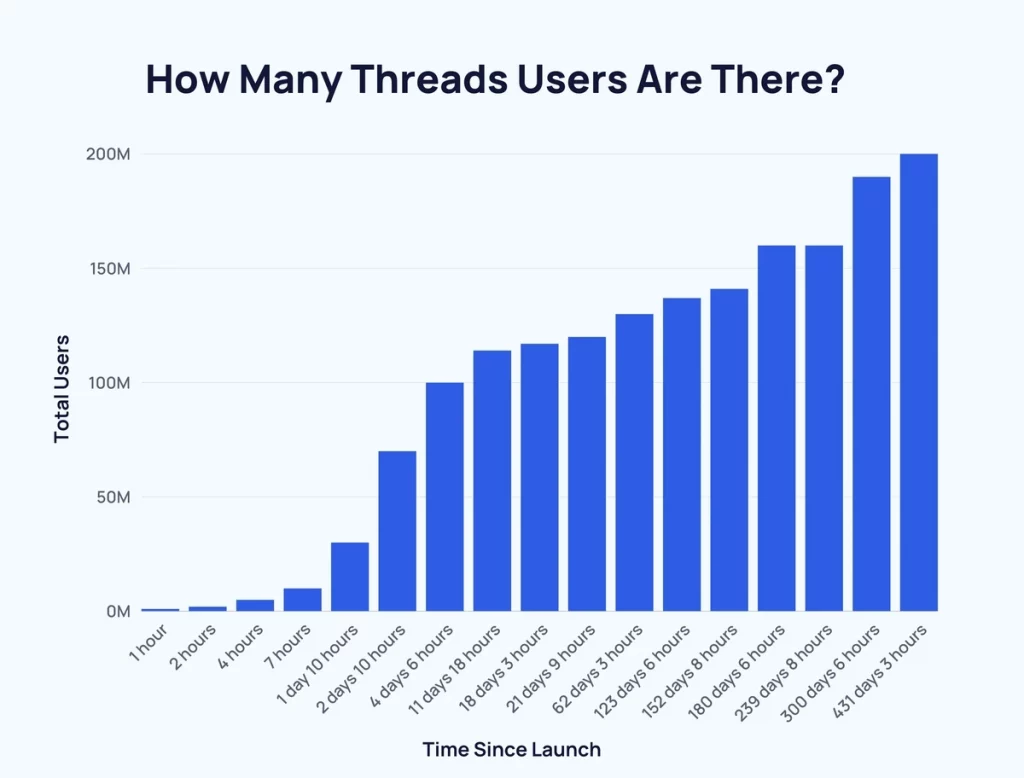
The Threads Playbook: Dominate Distribution Before Monetization
Meta’s operational blueprint was demonstrated vividly with Threads. When Meta launched the microblogging platform to rival X (Twitter), Mark Zuckerberg explicitly instructed product teams to ignore advertising, sponsor deals, and monetization entirely until the network reached critical scale.
Only after Threads surged past 350 million monthly active users did Meta slowly and surgically introduce targeted advertising inventory. The company applies an identical philosophy to artificial intelligence: establish open-source ubiquity across global developers, universities, and enterprise backends, making Meta’s AI architecture the default foundation of the global economy before switching on the monetization engine.
Where Does the Money Actually Come From? Meta’s AI Revenue Architecture
During recent earnings calls with institutional shareholders, Mark Zuckerberg and Meta CFO Susan Li outlined the multifaceted monetization channels designed to yield tens of billions in recurring AI revenue:
| How Meta Can Monetize | Specific Product or Revenue Stream |
|---|---|
| API Cloud Access | Per-token metering for developers utilizing hosted cloud inference |
| Enterprise Compute | Dedicated cloud cluster rentals via hyperscaler partnerships |
| Business AI Agents | Autonomous sales, booking, and support bots for WhatsApp and Instagram Business |
| Consumer Subscriptions | Advanced compute tiers and personalized avatars inside Meta AI |
| Performance Commissions | Success fees on completed transactions, appointments, or leads generated by bots |
| Targeted Advertising | Hyper-personalized ad attribution powered by generative user intent modeling |
| Conversational Commerce | Direct product recommendations and affiliate checkout within chat feeds |
Conversational Ads: 10x More Valuable Than a Traditional Banner
The ultimate prize in Meta’s AI vision is not selling $20 monthly software subscriptions. It is the evolution of digital advertising. Meta generates over $130 billion annually from digital ads across Instagram, Facebook, and WhatsApp.
When a user interacts with a conversational AI agent inside WhatsApp or Messenger—asking for travel recommendations, fitness advice, or home decor concepts—the intent signal is exponentially more precise than browsing a social feed. An AI recommendation delivered at the precise moment of intent commands a Cost-Per-Click (CPC) and conversion value five to ten times greater than conventional display banners.
The Strategic Moat: Millions of Developers Working for Meta for Free
By distributing Muse Glimmer openly, Meta transforms the global open-source research community into an unpaid extension of its engineering department. Hundreds of thousands of software engineers fine-tune the model, discover edge-case security bugs, optimize inference quantization (making it run on consumer chips), and build software tooling centered around Meta’s architecture.
When Mark Zuckerberg gives away an AI model for free, it is not digital philanthropy. It is one of the most calculated corporate power plays in the history of the internet: disarming competitors, captivating the global developer base, and securing the high ground for the next generation of conversational digital advertising. For wider societal implications of conversational AI, explore our analysis on societal adaptation to pervasive conversational intelligence.
Analysis synthesized from Meta Platforms Q2 2026 Earnings Call Disclosures; Meta AI Research Publications; Reuters Technology Briefings; Academic Papers on Foundation Model Economics.