
Author Madina Rakhimbayeva has published four books, translated one into English, and launched on Amazon KDP. Yet professional book covers and professional literary translation have yet to break even financially, while the overwhelming majority of international literary agents never even replied to her pitch queries.
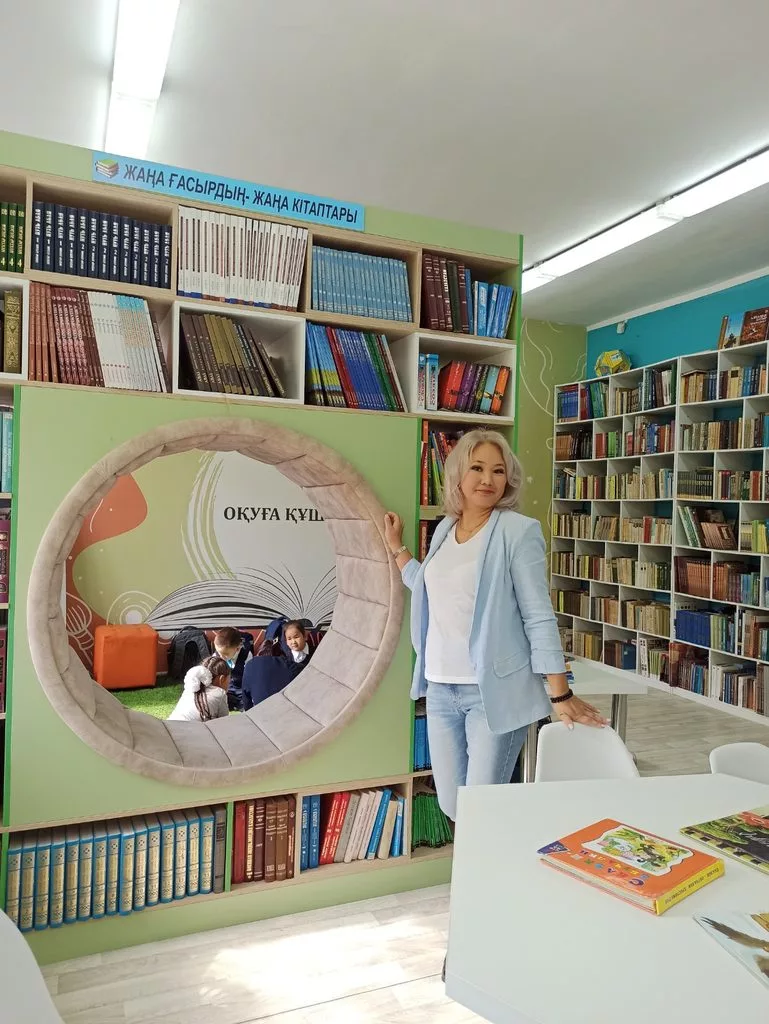
From the outside, modern digital self-publishing looks almost effortless: upload a manuscript PDF, obtain an ISBN, list the title on Amazon, Ridero, or Kaspi, and wait for royalty deposits. For Rakhimbayeva, reality proved far less romantic. Her inaugural release cost a modest 1,500 KZT to register, but subsequent efforts required significant personal investments into professional cover illustration and English translation.
The Harsh Unit Economics of a Book Sale in Kazakhstan
When an author sells an e-book or paperback through domestic retail platforms in Kazakhstan, the revenue distribution reveals the steep barrier to earning a living through writing:
- Retail List Price: 1,200 to 1,500 KZT for an electronic copy.
- Platform and Payment Processing Fees: Distribution aggregators, payment gateways, and banking checkouts retain between 40% and 60% of the gross sale.
- Print-on-Demand Production: For physical copies, printing paper, binding, and logistics consume the majority of the retail margin.
- Net Author Royalty: Approximately 150 to 200 KZT ($0.30–$0.45) per copy sold.
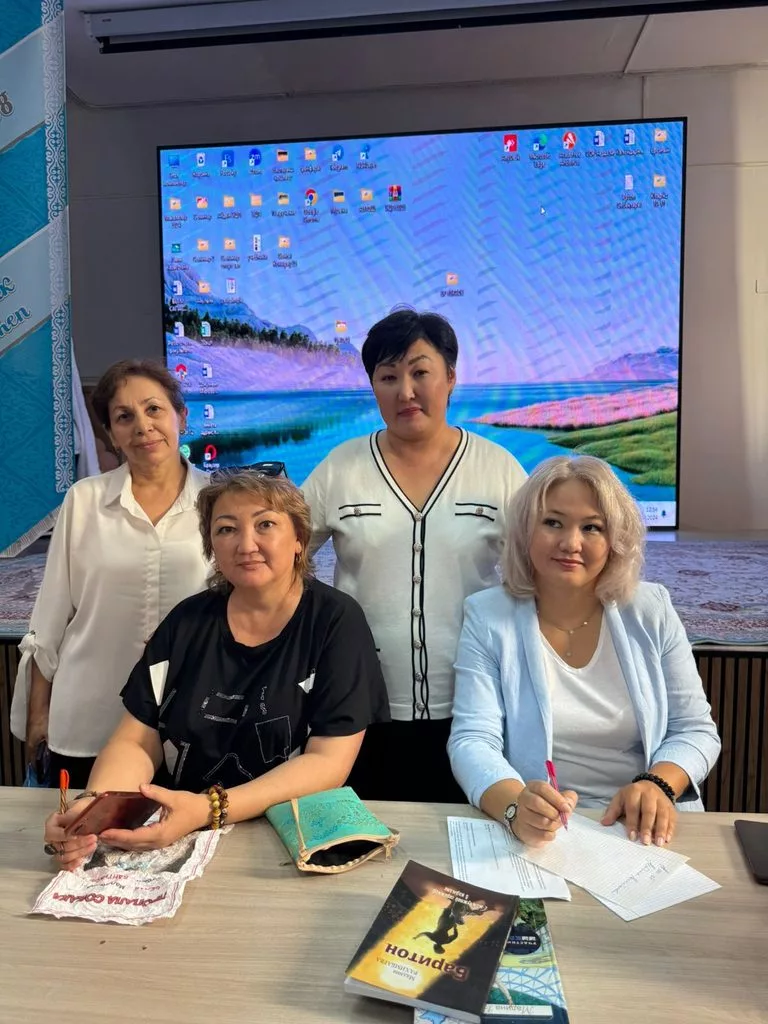
Selling 500 copies of an independent book in Kazakhstan is considered a local publishing success—yet at 200 KZT per copy, total author earnings equal 100,000 KZT ($200), barely enough to cover a single cover illustration.
The International Query Odyssey: 155 Pitch Letters to Western Agents
Recognizing the narrow scale of the domestic book market, Rakhimbayeva invested in professional English translation for her fantasy novel and embarked on the traditional publishing query journey in the UK and US.
Over two years, she sent personalized query letters to 155 verified literary agents representing major publishing houses (such as Penguin Random House, HarperCollins, and Simon & Schuster). Out of 155 queries, over 120 resulted in automated form rejections or complete silence. A handful requested sample chapters before ultimately passing.

«Breaking into international publishing from Central Asia without an established English-language social media platform or Western university credentials is extraordinary difficult,» admits Rakhimbayeva. «Literary agents receive thousands of manuscripts weekly, and taking a chance on an unrepresented Kazakhstani author is considered a high commercial risk.»
Rakhimbayeva’s experience demystifies the romantic veneer of the author’s craft in Kazakhstan. Writing is an art, but self-publishing is an unforgiving small business requiring relentless marketing, financial stoicism, and personal endurance.