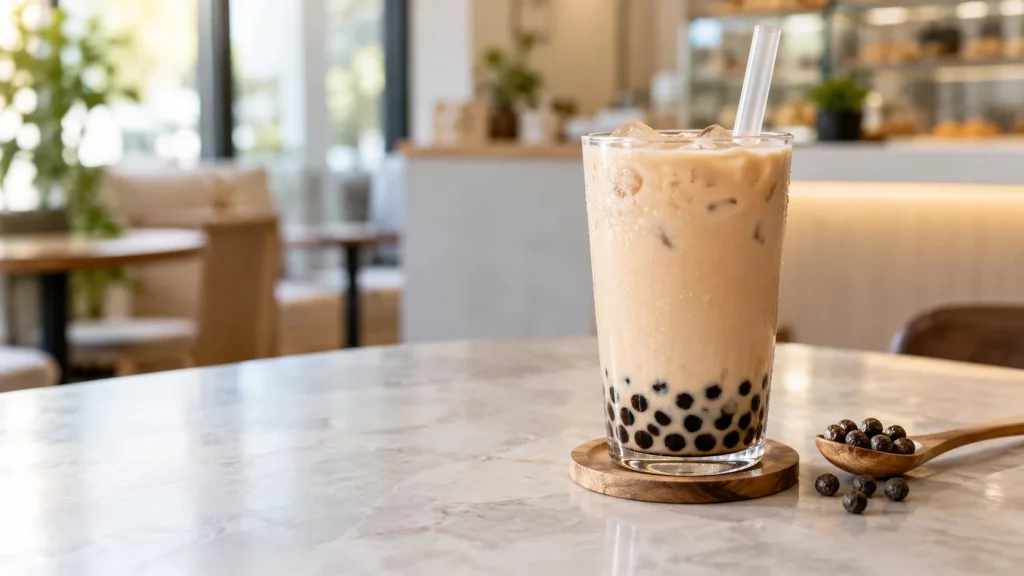
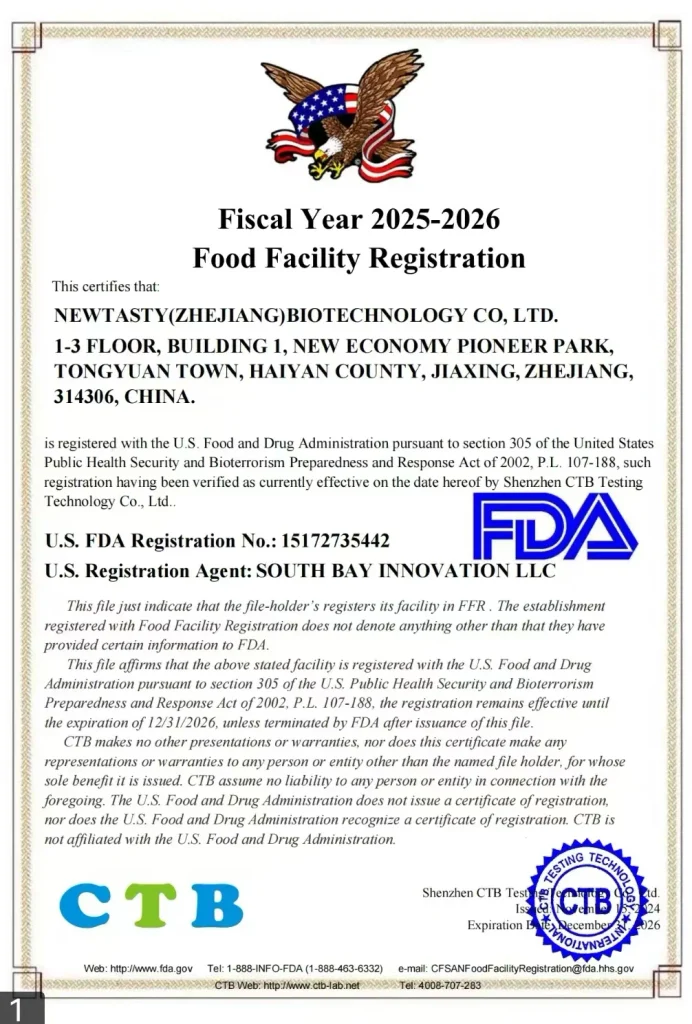
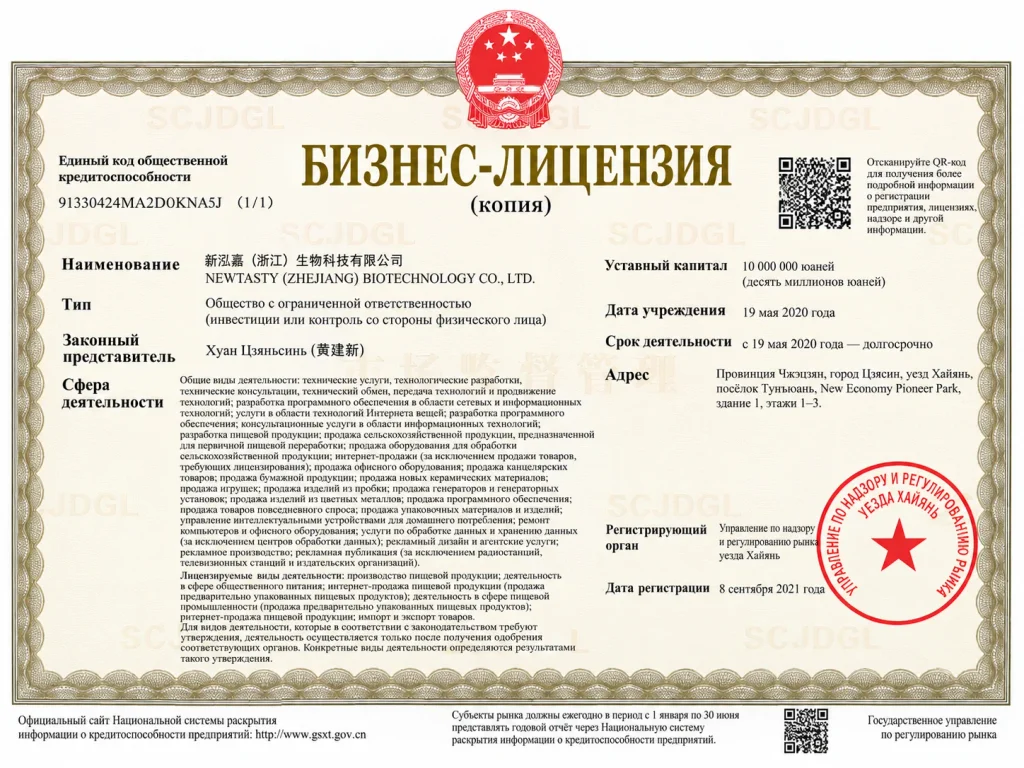
Bubble tea (boba) has evolved from an exotic Taiwanese street novelty into an omnipresent urban beverage across Kazakhstan. Amidst sensationalist social media rumors alleging plastic fillers or toxic additives in chewy tapioca pearls, RAEM examined verified laboratory test reports, international food safety certificates, and supplier documentation to separate biochemical facts from myths.
Why Bubble Tea Became a Target of Controversy
Social media viral videos frequently claim that tapioca pearls “sit in the stomach undigested for months” or contain synthetic polymers. In reality, authentic tapioca is an edible plant starch extracted from the root of the cassava (manioc) plant, naturally rich in carbohydrates and dietary starch.
What Raw Tapioca Pearls Actually Consist Of
According to certified ingredient documentation from major Kazakhstani distributors like Tapioca.kz, commercial tapioca pearls contain:
- Cassava Starch (Over 80%): Natural plant carbohydrate providing the signature chewy texture (known in Taiwan as “Q texture”).
- Water and Edible Thickeners: Natural vegetable gums (such as xanthan gum, sodium alginate, or modified starch) ensuring spherical stability during boiling.
- Natural Food Coloring (Caramel IV): Derived from heated sugar to give pearls their traditional dark amber and black appearance.
- Potassium Sorbate (E202): A standard, internationally approved organic preservative preventing mold and bacterial contamination during transit.
The Real Health Concern: Hidden Sugar, Not Tapioca
Dry tapioca pearls contain virtually zero refined sucrose. The primary caloric danger of bubble tea comes not from the cassava pearls themselves, but from the liquid beverage preparation:
In standard coffee shop recipes, cooked pearls are soaked in concentrated brown sugar syrup or fructose corn syrup. Combined with condensed milk, sweetened non-dairy creamers, and flavored fruit syrups, a single 500 ml cup of bubble tea can deliver between 35 and 60 grams of simple sugars — exceeding the entire recommended daily sugar allowance for an adult.
International Quality Standards and Lab Verification
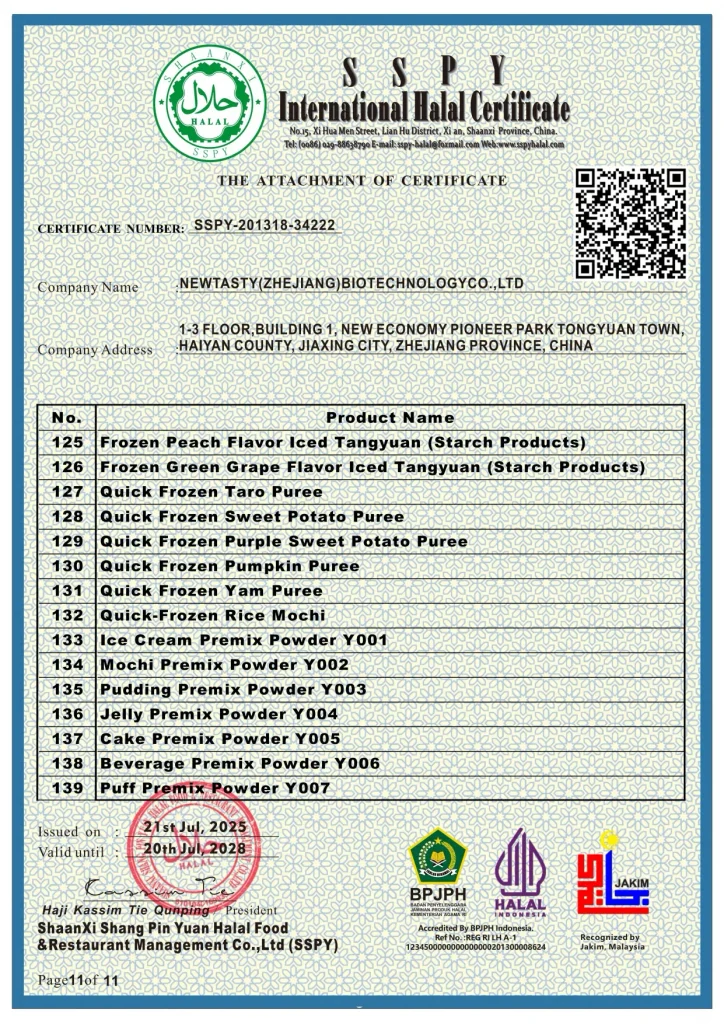
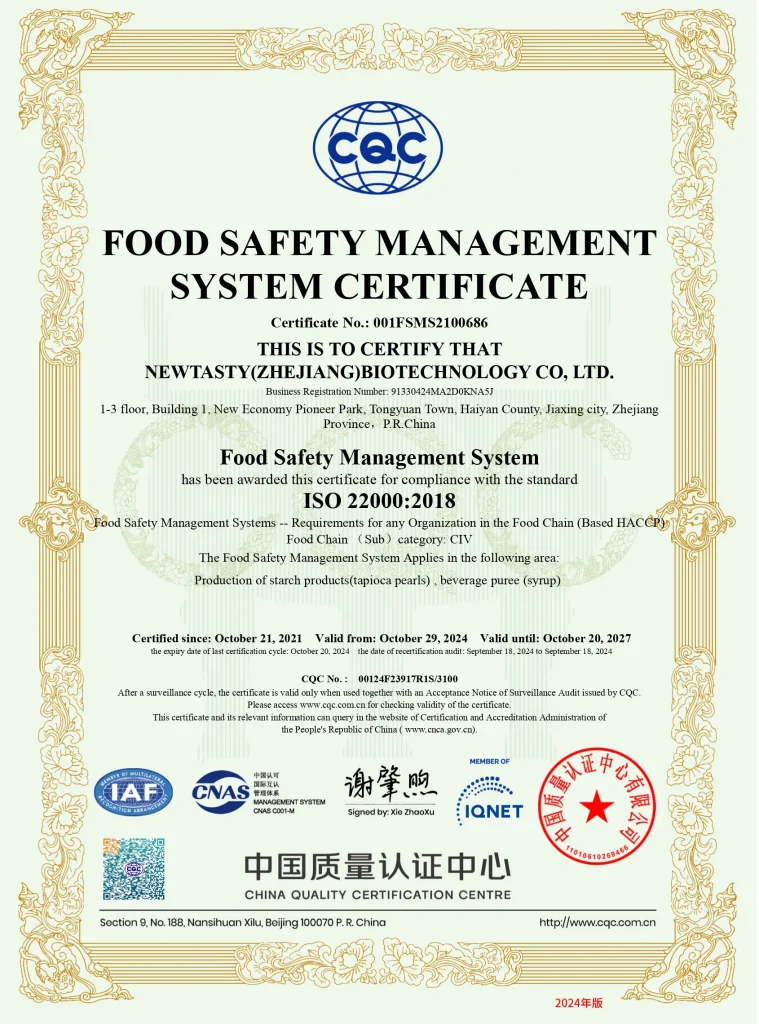
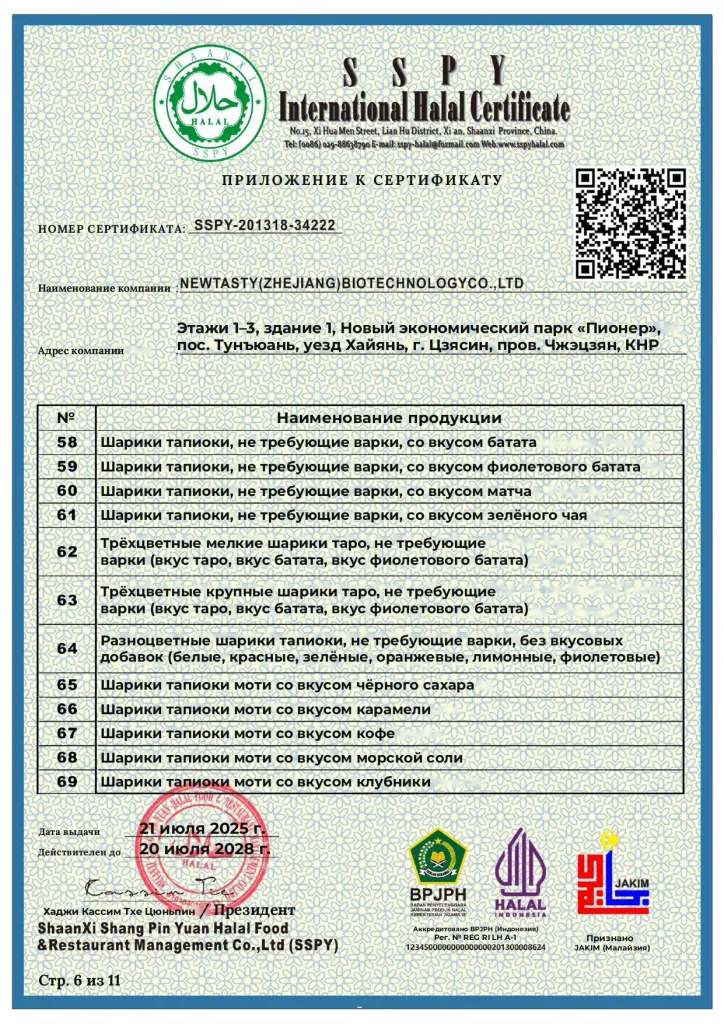
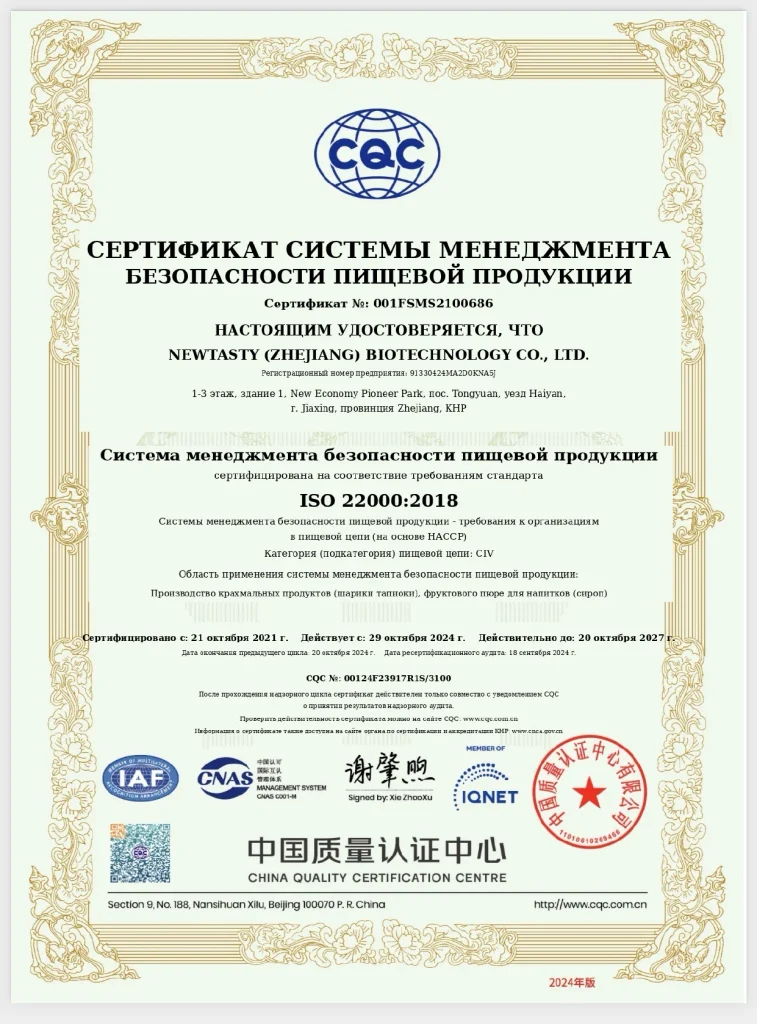
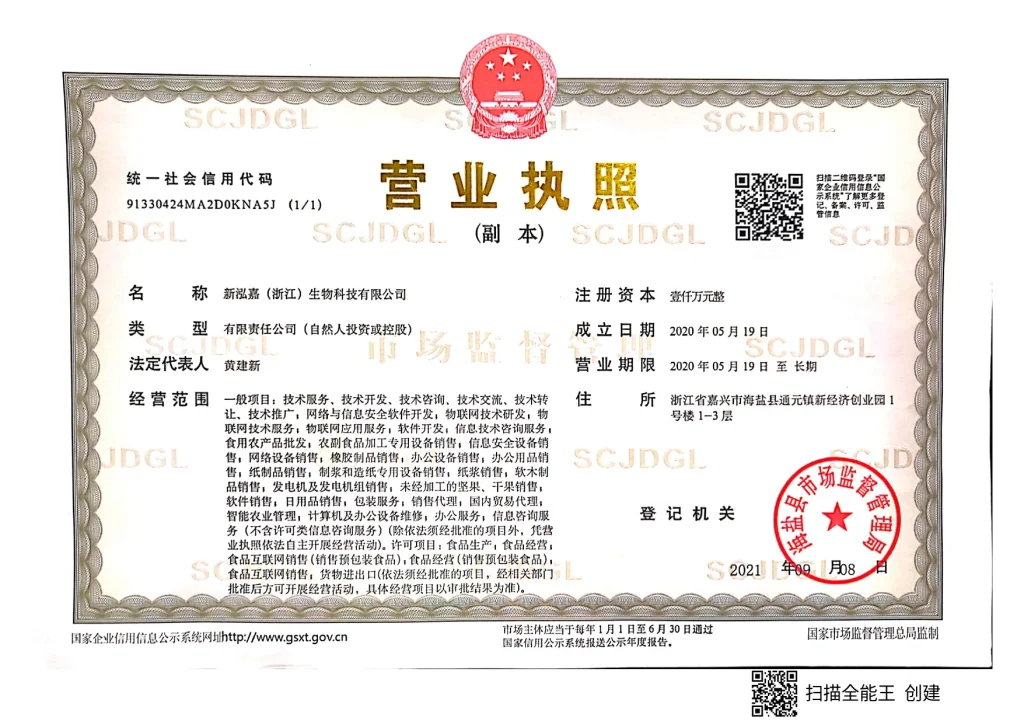
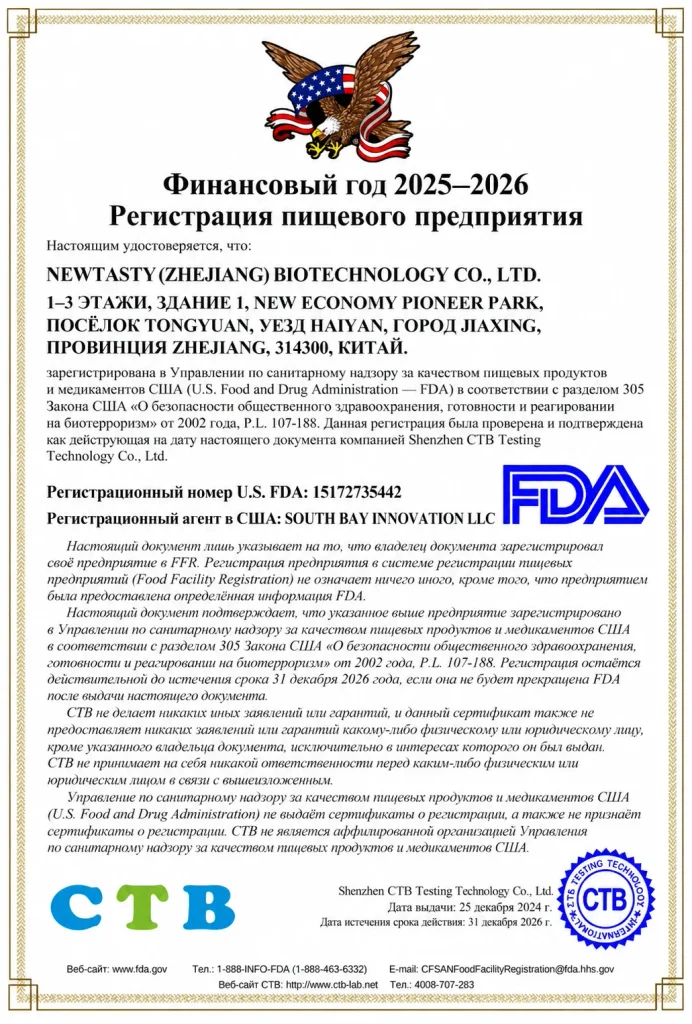
Official suppliers in Kazakhstan operate under certified ISO 22000 food safety management systems and maintain valid Halal conformity certificates, confirming the complete absence of porcine gelatin or uncertified synthetic contaminants.
Consumer Takeaway: Moderation and Smart Customization
Tapioca pearls are completely safe and non-toxic when purchased from accredited commercial establishments. For health-conscious consumers, ordering drinks with 0% to 30% added sugar and choosing fresh cow’s milk or oat milk over powdered hydrogenated creamers allows you to enjoy the drink without excessive caloric overload.