Photo: Ruslan Konev / Pexels
Kazakhstan plans to raise about $20 billion through the QaJET investment platform for its energy transition. The money is expected to fund renewable energy, power grids and other projects. The platform is scheduled to begin operating in 2027, the Energy Ministry said (lsm.kz).
What happened
QaJET is intended to bring together projects and potential investors. The roughly $20 billion figure is a preliminary estimate of the investment the country will need for its energy transition. That money still needs to be raised.
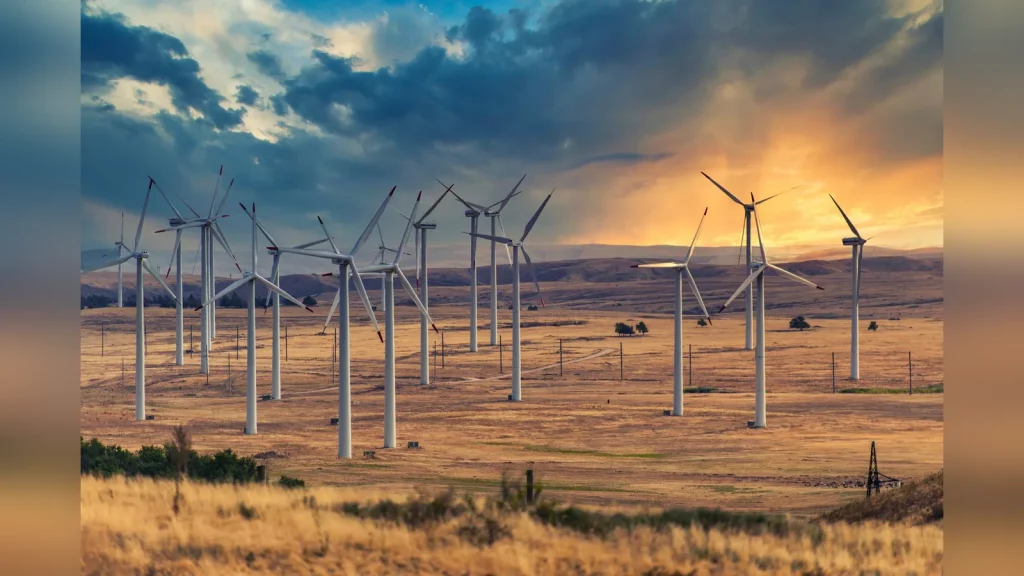
The platform has three areas of focus. The first is renewable energy, with plans to bring 10 gigawatts of capacity online by 2035. The second is upgrading power grids and energy storage systems. The third is switching end users to electricity.
Funding for QaJET projects is expected to come from Kazakhstani and international companies, banks, government organizations and major investors. International financial organizations and development finance institutions were also named as potential participants. Grants and concessional financing are planned.
What this means
For private investors and energy companies, QaJET could offer another way to find funding. Projects will be assessed on how well they fit the platform’s goals, their technical and economic parameters, their appeal to investors and the requirements of financial institutions.
There’s an important detail here: taking part in QaJET does not itself guarantee funding. Selection criteria, participation terms and financing options still need to be worked out with international financial organizations and partners.
“QaJET does not automatically provide financing to all applicants,” the Energy Ministry clarified.
When the platform will start operating
QaJET sets no separate mandatory target for reducing the share of coal or other fossil fuels in the energy mix. Developing Kazakhstan’s green energy sector is, however, among its investment priorities.
The platform’s structure needs to be established before it begins operating in 2027. It will include a secretariat and a project support group.
A memorandum on establishing QaJET was signed in April 2026. The participants were the Ministry of Energy, the Ministry of Ecology and the European Bank for Reconstruction and Development (EBRD).